
Lieferung heute & morgen

Qualitätsgarantie

Willkommens-Angebote freischalten: KOSTENLOSE Lieferung | Bis zu 80 % RABATT | Kostenlose 30-Tage-JoyPlus-Testphase
App herunterladen
For competitive gamers, choosing the right wireless gaming mouse can be the difference between victory and defeat. However, the market is saturated with marketing buzzwords and exaggerated specifications that make it difficult to make an informed choice. Many players invest in expensive models only to find they don't improve their performance or even introduce new disadvantages.
As your Joybuy Product Recommendation Officer, I'm here to help you navigate these pitfalls. We will focus on the objective criteria that define a great pro gaming mouse and debunk common marketing traps.
To make an informed decision, you should focus on measurable performance indicators rather than pure marketing figures.
Beyond the DPI figure, two other values are crucial for a sensor's performance:
The polling rate, measured in Hertz (Hz), indicates how many times per second the mouse reports its position to the computer.
Weight and shape are crucial for handling and endurance. An ultra-lightweight gaming mouse (under 65 grams) reduces fatigue and allows for faster movements. The shape should suit your grip style:
Here are some recommendations tailored to the needs of different player types, which successfully avoid the pitfalls mentioned above.
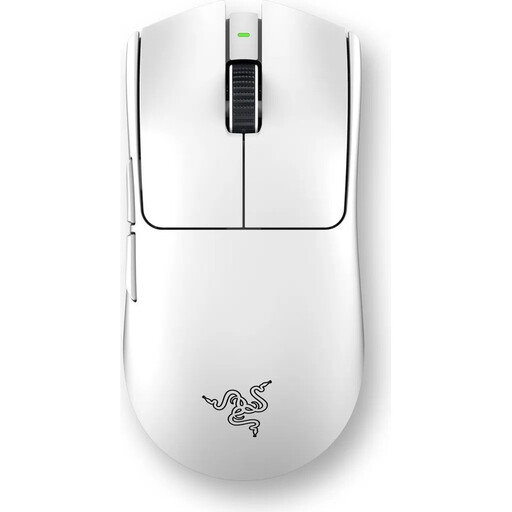
Why This Fits Their Persona: This player demands maximum speed and precision. The extremely low 54-gram weight and 8000 Hz polling rate are engineered for rapid reactions in FPS titles like CS or Valorant. Its symmetrical shape is ideal for claw and fingertip grips.
It achieves its low weight through intelligent engineering with a solid shell, not a vulnerable honeycomb structure. Its performance is defined by the high polling rate and precise sensor, not an exaggerated DPI figure.
Ultra-lightweight 54g design and Razer 8000Hz HyperPolling Technology for an extremely responsive connection.
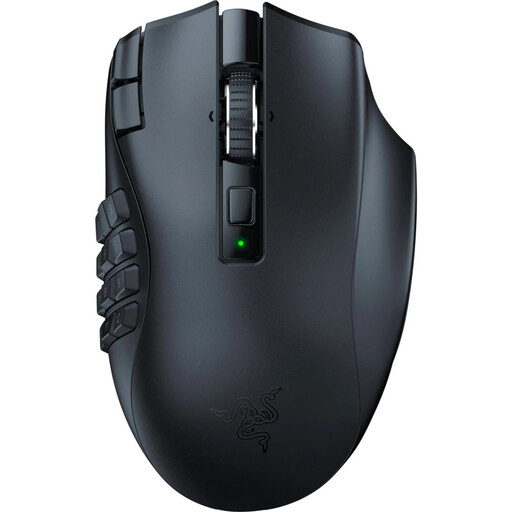
Why This Fits Their Persona: For players of MMOs like World of Warcraft or MOBAs like League of Legends, quick access to a wide array of abilities is critical. The 19 programmable buttons allow complex macros and commands to be assigned directly to the thumb.
This model doesn't chase the lowest-weight trend. Instead, its focus is squarely on functionality. The weight is a deliberate trade-off for the immense customisation offered by the button grid.
19 programmable buttons for maximum control and an ergonomic design built for long gaming sessions.
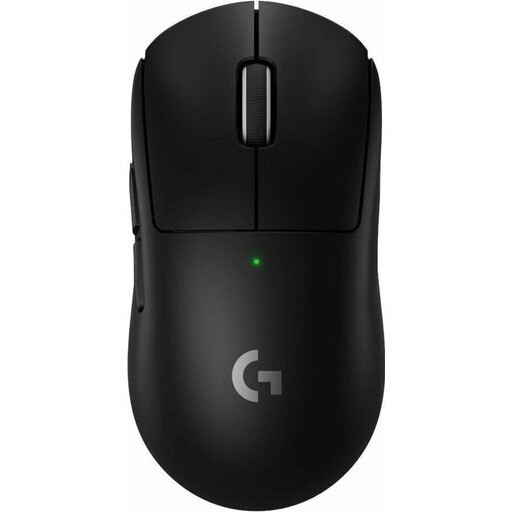
Why This Fits Their Persona: This player is at home in various genres and needs a reliable all-rounder. The mouse offers a balanced combination of low weight (60g), a safe and versatile shape, a precise sensor, and proven wireless technology.
It debunks the wireless latency myth with its esports-proven LIGHTSPEED technology. The low weight is achieved through thoughtful engineering without sacrificing stability or the solid shell design.
Lightweight 60g design, a precise HERO 2 Sensor, and a highly reliable wireless connection. The battery life of up to 95 hours is also a compelling feature.
We have compiled a complete, up-to-date list of products that fully meet these strict selection criteria and rigorous safety standards.
For casual gamers, the difference may be subtle, but for competitive players, it can be significant. An 8K Hz polling rate reduces the latency from mouse movement to on-screen display. On high-refresh-rate monitors (240 Hz or higher), this results in visibly smoother and more direct cursor movement, which can improve precision when tracking targets.
An ultra-lightweight gaming mouse (typically under 65g) requires less force to initiate movements and change direction. This leads to reduced hand and wrist fatigue during long gaming sessions. In-game, the lower weight enables faster reactions, easier aim corrections, and smoother tracking of fast-moving targets.
No. Modern, high-quality wireless gaming mouse models that use a dedicated 2.4 GHz connection with their own USB receiver have latency that is identical to, or even lower than, their wired counterparts. Technologies like Razer HyperSpeed or Logitech LIGHTSPEED are specifically engineered for stable and extremely fast signal transmission in esports environments. Bluetooth connections tend to have higher latency and are less suitable for competitive gaming.