Language learners dealing with cabin noise
If you want to understand spoken lessons at a comfortable volume, check the fit, noise cancellation and clarity using a recording you know well.


For an audio course on your own smartphone or tablet, ANC over-ear headphones could be a good choice if you prefer longer listening sessions and the option of a wired connection. Compact in-ear headphones are a space-saving alternative, but may need a charging break on longer journeys. Try them with your course material at a moderate volume to check the fit and speech clarity. For in-flight entertainment, check how the specific seat system connects and follow the crew’s instructions.
If you want to understand spoken lessons at a comfortable volume, check the fit, noise cancellation and clarity using a recording you know well.
If you listen for hours at a time, comfort, battery life per charge and whether you might need a charging break are all important.
If you want to switch between your own device and the in-flight entertainment system, check the connections and accessories for the sources you plan to use.
First, decide whether you’ll listen to your course on your own device or through the in-flight entertainment system. Then weigh up fit, battery life and size to suit your listening sessions.
Best for: Listening to longer lessons in one sitting if you prefer an over-ear fit.
Things to consider: Over-ear headphones take up more space in your hand luggage. Try them on with your glasses and check the battery life with your chosen settings.
Best for: Keeping your packing light, provided you can find ear tips that fit well.
Things to consider: Playback time per charge is shorter than the total battery life with the charging case, so you may need to take a listening break.
Best for: Courses played through the seatback screen or a source connected to it.
Things to consider: Bluetooth on your own smartphone doesn’t tell you whether you can connect to the seatback screen. Check the specific seat system and, if necessary, bring a compatible cable.
| Buying priority | What to check before buying | Who is this especially important for? |
|---|---|---|
| Understanding speech in cabin noise | Try a familiar spoken lesson at a moderate volume; check whether you can switch between ANC and ambient mode. | If quiet passages are hard to make out over cabin noise, you’ll want to reduce distractions rather than simply turning the volume up. Around 26% of consumers put speech clarity first. |
| Comfort over several hours | Try them on for a while with your glasses and in your usual seated position; with in-ear headphones, try the different ear tips. | If you listen to long lessons, your headphones should remain comfortable over time. Around 21% of consumers prioritise long-term comfort. |
| Connection to your course source | Choose your audio source; check for Bluetooth on the seat system or a compatible analogue input, cable and included accessories. | If you want to choose between your own device and in-flight entertainment, connecting to the source you plan to use is essential. Around 16% of consumers prioritise source connectivity. |
| Listening time without interruption | Compare ANC battery life per charge rather than just total battery life with the charging case; consider the charging port and available charging options. | If you want to listen for as long as possible without a charging break, check the battery life with your specific settings. Around 16% of consumers prioritise uninterrupted playback. |
| Space in your hand luggage | Consider the design and case alongside comfort and the possibility of charging breaks. | If space in your hand luggage is limited, you’ll want a compact pair without overlooking fit and battery life. Around 11% of consumers prioritise a small pack size. |
| Balancing cost and performance | Decide which features you need and compare the price of the specific model, including any accessories you’ll need. | If you want to keep costs down, make sure any extra features suit your course source. Around 10% of consumers make the cost of buying their top priority. |
Apple quotes up to 8 hours of playback with ANC per charge for AirPods Pro 3, and up to 24 hours including the case. So the total battery life with the case doesn’t mean you can listen for that long without a break.
Compare battery life per charge with the length of your planned listening session.
You may need a charging break during longer listening sessions.
Connecting your headphones to your own device doesn’t mean the in-flight entertainment system also supports Bluetooth. Lufthansa lists Bluetooth for Allegris Economy; this doesn’t automatically apply to every aircraft or seat system.
Choose your audio source and check the seat connection and what’s included with your exact headphone model before you travel.
You may need a compatible audio cable or another suitable connection option to use an in-flight source.
The German Environment Agency recommends listening with headphones at a moderate volume. EASA notes that headphones can make important crew announcements harder to hear.
Check that speech is clear at a moderate volume, and stay alert for announcements and instructions from the crew.
These brands and product ranges offer different approaches to fit, battery life and connectivity. The details below apply to the specific models and versions mentioned.
The WH-1000XM6 are over-ear ANC headphones with Bluetooth and a wired alternative.
The second-generation QuietComfort Ultra Headphones are an over-ear option with adjustable ANC and a wired connection.
The MOMENTUM 4 Wireless are an over-ear option where the stated ANC battery life may be worth considering.
The Tour One M3 is worth considering if you want to use Bluetooth with your own device or check for a cable to connect to a compatible in-flight source.
AirPods Pro 3 are compact ANC in-ear headphones for use with a compatible personal audio source.
This selection includes wireless ANC in-ear and over-ear headphones for audio courses on your own device. Before you fly, check that the connection and battery life suit your listening session.
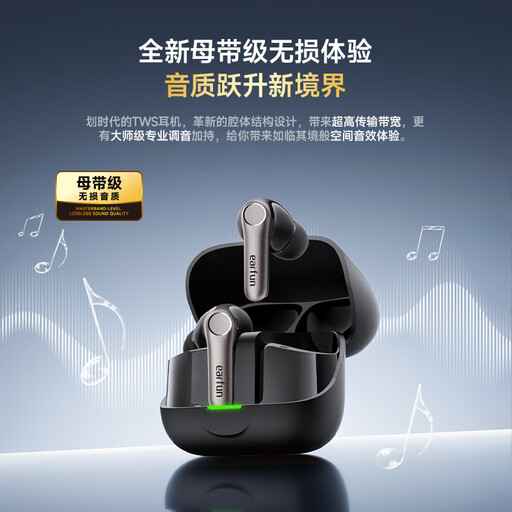 No image available
A compact in-ear option if you listen to your course on your own device and want to save space in your luggage.
ANC and Bluetooth 6.0. Stated playback time is up to 12 hours with ANC switched off; up to 54 hours includes the charging case.
 No image available
An in-ear option for lessons on your own device if you want a wireless connection.
Bluetooth 5.4. Before you fly, check that the fit and ear tips feel comfortable for longer listening sessions.
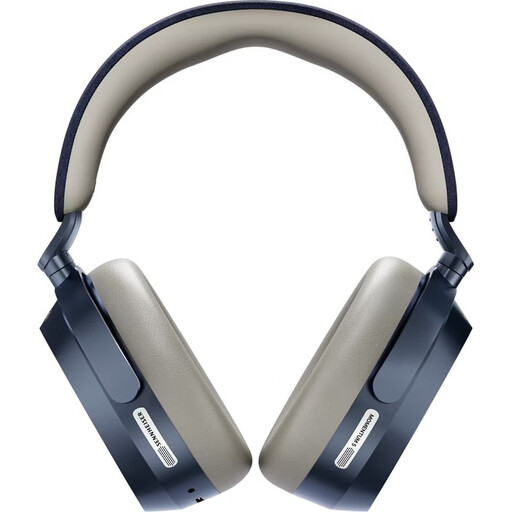 No image available
An over-ear option for longer listening sessions on your own device if you prefer an around-ear fit.
ANC, Bluetooth 5.4 and stated battery life of up to 57 hours. Try them on in your usual seated position.
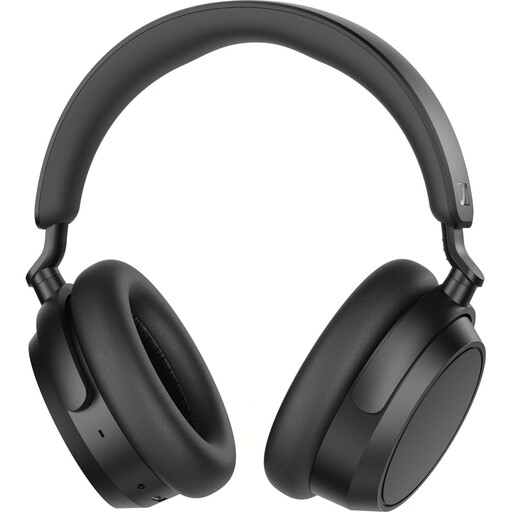 No image available
An over-ear option for wireless courses on your own device if you’d also like to consider a wired connection.
ANC, Bluetooth 5.2, up to 50 hours of battery life and a detachable cable.
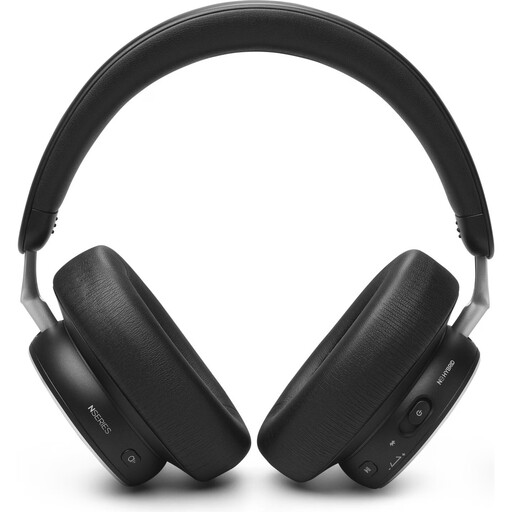 No image available
An over-ear option for your audio course if you want to use Bluetooth or a compatible wired source.
ANC, Bluetooth 5.3, stated battery life of 55 hours and a wired option with a 3.5 mm connection.
No, it depends on the in-flight entertainment system. Lufthansa lists Bluetooth for Allegris Economy, but not as a general feature across all seats and aircraft. If there’s a compatible socket, you may also be able to use a suitable audio cable.
This isn’t guaranteed for every airline or stage of flight. EASA says each airline decides whether portable electronic devices may be used, so always follow the crew’s instructions. Headphones can make announcements harder to hear.
Pair them with the course source you plan to use and try a familiar spoken lesson at a moderate volume. Check the fit, ear tips and battery life for your listening session, and keep listening out for announcements during the flight.
For uninterrupted listening, it’s the playback time per charge that matters, not just the total battery life including the charging case. Compare it with the length of your planned listening session and consider whether you’ll be able to charge them on the way.
Check your airline’s rules. Lufthansa generally allows portable personal electronic devices with lithium batteries of up to 100 Wh per device in hand luggage. Damaged devices or those recalled for safety reasons are prohibited under its rules. These Lufthansa rules don’t automatically apply to other airlines.