What should you look for when buying?
Closed-back over-ear headphones
A good choice if: You listen to longer lessons and don’t want anything in your ear canal.
Trade-off: The ear cushions and headband may feel warm or put pressure on your head, so check the fit for yourself.
In-ear headphones with a secure seal
A good choice if: You find a headband uncomfortable and can wear the right-sized ear tips comfortably.
Trade-off: A poor seal can reduce noise cancellation. Also consider pressure in your ear canal and battery life per charge.
Open-back and Open-Ear models
A good choice if: Being aware of your surroundings matters more to you than keeping your course as quiet as possible for the other person.
Trade-off: Open designs block less sound from escaping, so check how much sound carries around the room.
First decide how important low sound leakage, clear speech and a comfortable fit are to you. Then compare ANC, device switching and battery life.
| What matters |
What to check when buying |
Who is it important to? |
| Low sound leakage |
Closed-back design or well-sealed in-ear headphones; try listening to a spoken lesson from the other side of the bed at your usual volume. |
When I listen in a shared bedroom, I want the other person to hear as little of the course as possible. Around 31% of consumers put low sound leakage first. |
| Clear speech |
Try the fit and ANC with a spoken lesson while the room is making its usual background noise. |
With ventilation or other room noise, I want to understand the course without turning the volume up unnecessarily. Around 25% of consumers prioritise clear speech despite background noise. |
| Comfort |
Test the fit for as long as a typical course session lasts; with in-ear headphones, check the tip sizes for both ears. |
For longer lessons, I want my headphones to feel comfortable, without pressure or heat making me take them off. Around 19% of consumers focus mainly on comfort. |
| Switching between devices |
Check compatibility with the devices you use for your courses and, if needed, Multipoint support and how switching works. |
When I switch between my laptop and phone, I don’t want to spend ages reconnecting every time. Around 13% of consumers prioritise easy switching between devices. |
| Battery life and features |
Compare battery life with ANC on, rather than just the maximum figure; check whether you can use a wired connection with your course device. |
For longer courses, I want to avoid charging breaks and only pay for features I need. Around 12% of consumers prioritise battery life and a suitable set of features. |
Wireless headphones for audio courses at Joybuy
This selection includes wireless over-ear and in-ear headphones with ANC. Bear in mind how the fit and volume in your bedroom affect sound leakage.
 No image available
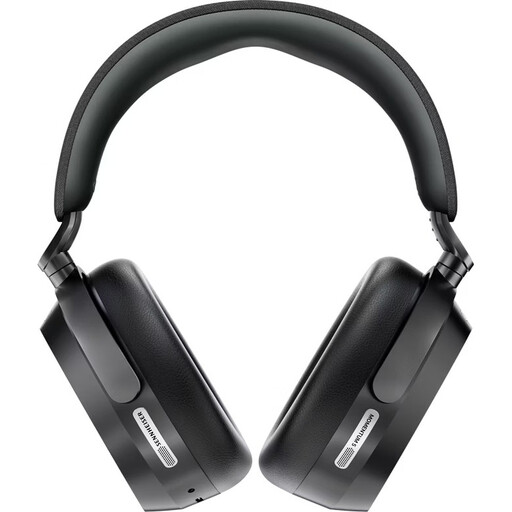
Sennheiser MOMENTUM 5 Wireless
Closed-back over-ear headphones with ANC are worth considering if you check the fit and sound leakage at your usual course volume.
- Bluetooth 5.4
- Up to 57 hours of battery life with ANC
- Replaceable battery
View at Joybuy
 No image available
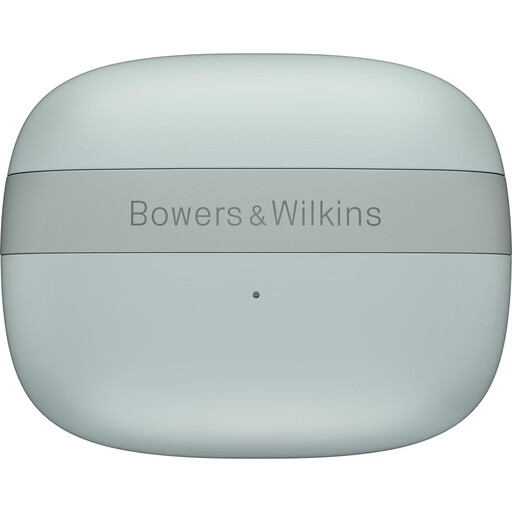
Bowers & Wilkins Pi6 True Wireless
In-ear headphones may suit you if you’d rather not wear a headband; try them with the right-sized ear tips to check the fit.
- 12 mm bio-cellulose drivers
- ANC and Multipoint
- Up to 8 hours of battery life
- Bluetooth 5.4
View at Joybuy
 No image available
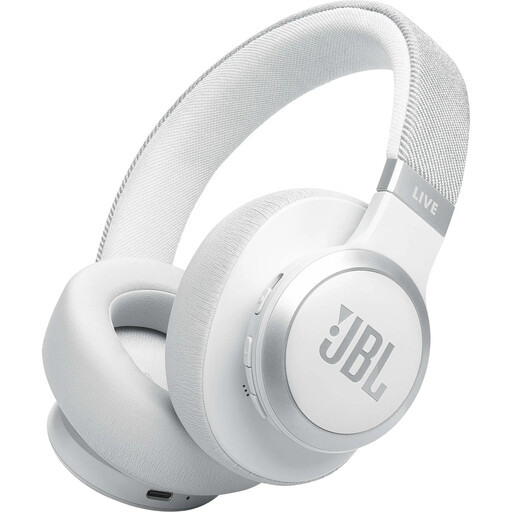
JBL LIVE 770NC
Over-ear headphones with ANC may suit courses in a noisy room; check separately how much sound the other person can hear.
- Adaptive noise cancelling
- Multipoint
- Up to 50 hours of battery life with ANC
- Smart Ambient
View at Joybuy
 No image available
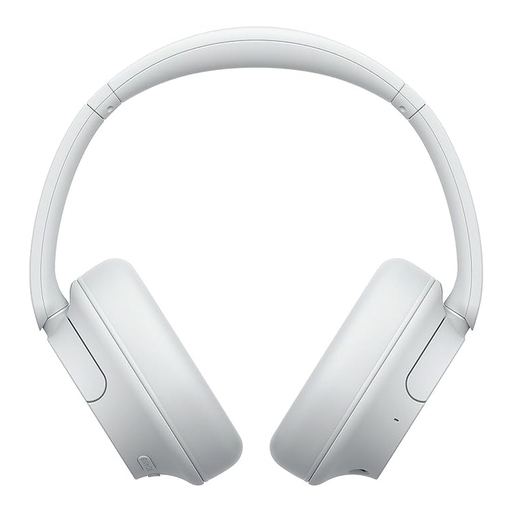
Sony WH-CH720N, White
The over-ear design may suit you if you prefer a headband; try them out with a spoken lesson to check comfort and sound leakage.
- ANC and Multipoint
- Up to 35 hours of battery life with ANC
- Weight: 192 g
View at Joybuy
 No image available
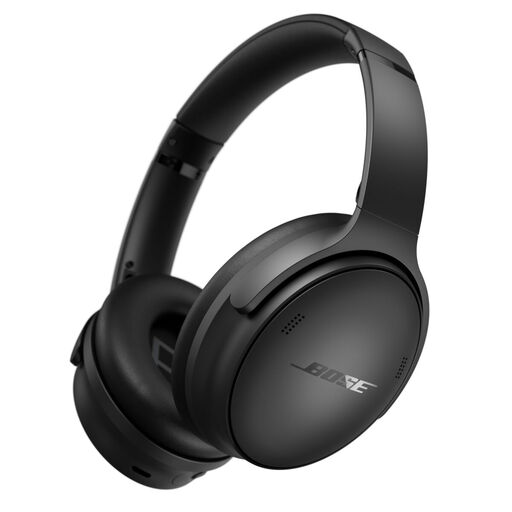
Bose QuietComfort Wireless, Black
The over-ear design may suit longer listening sessions, provided the headband and ear cushions feel comfortable.
- Bluetooth 5.1
- ANC
- Up to 24 hours of battery life
View at Joybuy
Frequently asked questions
Does ANC make an audio course inaudible to the other person?
No. ANC can reduce the outside noise you hear; the style of headphones, how they fit and the playback volume determine what the other person hears. It also doesn’t always completely block out background noise for you.
How should I fit in-ear headphones for an audio course?
Choose tips that fit each ear and check the fit while listening to a spoken lesson. A poor seal can make noise cancellation less effective. Keep the volume moderate and take breaks during longer sessions.
What’s a sensible volume for longer listening sessions?
The World Health Organization recommends keeping the volume low and taking your total exposure to sound into account. As a guide, it suggests up to 40 hours per week at an average of 80 dB; this isn’t a limit that you can read directly from the volume display on every pair of headphones.
What are my rights when buying online in Germany?
For a typical online purchase from a business seller, you generally have a 14-day right to cancel from the date of delivery; return costs and exceptions may apply. If goods are faulty, the seller is responsible for providing at least the two-year statutory warranty. A voluntary manufacturer’s guarantee does not replace it.
What should I look for when it comes to labelling and disposal?
The Federal Network Agency explains that products covered by the relevant EU harmonisation rules must carry the CE marking; this does not verify an individual listing. End-of-life electrical headphones should go in the designated waste electrical equipment collection and be taken to an authorised collection point or retailer in accordance with the applicable conditions.


