
Lieferung heute & morgen

Qualitätsgarantie

Willkommens-Angebote freischalten: KOSTENLOSE Lieferung | Bis zu 80 % RABATT | Kostenlose 30-Tage-JoyPlus-Testphase
App herunterladen
Wireless headphones are part of everyday life for many commuters, professionals, sports enthusiasts and music lovers. Bluetooth headphones promise freedom of movement, easy connectivity and flexible use. However, technical terms such as ANC, ENC, IPX5 or “long battery life” alone reveal little about whether a model is right for your daily routine.
Anyone buying wireless headphones should therefore look beyond the price or individual advertising claims. The key factors are design, wearing comfort, the battery concept, microphone quality and how well the headphones are actually suited to their intended use.
With True Wireless headphones, the advertised battery life often refers to the combined total for the earbuds and charging case. A model offering “up to 36 hours”, for example, may only provide around 7.5 hours per charge. This difference matters on long train journeys or working days.
For over-ear and on-ear headphones, battery life is usually stated per charge. Also check whether the figure applies with noise cancellation activated. ANC can reduce battery life.
Noise-cancelling headphones use microphones and electronic signal processing to reduce certain ambient sounds. Low, consistent noises such as the rumble of a train or aircraft can often be treated differently from voices or sudden sounds.
ENC, on the other hand, mainly refers to reducing ambient noise during phone calls. Headphones with a microphone and ENC therefore do not automatically suppress music-related background noise for the wearer.
A rating such as IPX4 describes protection against splashing water, not submersion. IPX5 generally indicates protection against water jets from different directions. Sweat, rain and cleaning under a tap should nevertheless not be treated as equivalent. Always follow the manufacturer’s instructions and only charge damp devices once they are completely dry.
Pay attention to weight, adjustable headbands, ear tips and whether you can use just one earbud. If you wear glasses, the arms and cushions can increase pressure around your ears.
Bluetooth 5.3 or Bluetooth 5.4 can provide a modern and energy-efficient connection. However, the actual range depends on walls, your smartphone and the surrounding environment. For everyday use, multipoint connections, Google Fast Pair and Microsoft Swift Pair are also practical when switching between a laptop and smartphone.
For gaming, you should also look for a low-latency mode. Depending on the device and codec, Bluetooth connections can create a delay between the picture and sound.
Compare these figures:
A 3.5-mm audio cable can be useful when the battery is empty or a device does not support a Bluetooth connection. With built-in batteries, you should also handle heat and moisture carefully and avoid unsuitable chargers.
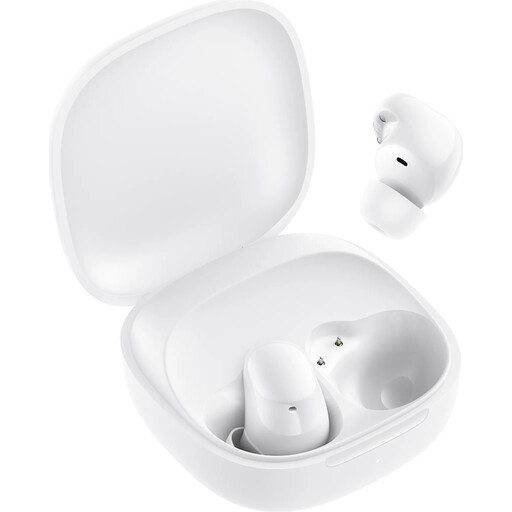
Why this product suits this profile: Compact True Wireless headphones for music, podcasts, phone calls and the daily commute.
The battery life is clearly broken down: up to 7.5 hours per charge and up to 36 hours with the charging case. According to the product details, fast charging provides up to 3 hours of playback after 10 minutes.
10-mm dynamic drivers, Bluetooth 5.4 and touch controls. AI noise reduction is designed for phone calls.
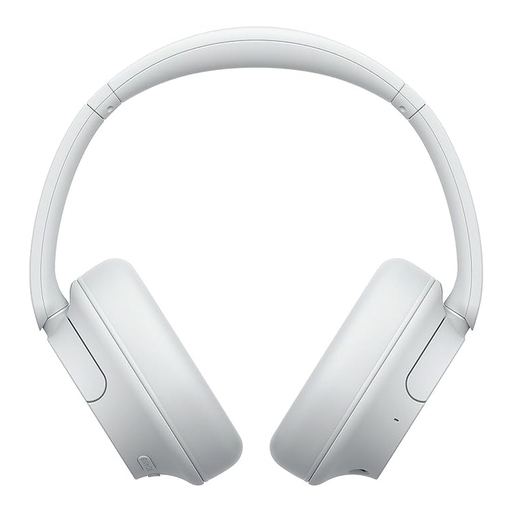
Why this product suits this profile: Over-ear headphones for long commutes, focused work and use with two devices.
The stated battery life is shown separately: up to 35 hours with noise cancelling and up to 50 hours without ANC. Ambient Sound mode helps you remain aware of your surroundings.
Weight of 192 g, five-band equaliser via the app, multipoint Bluetooth and a 3.5-mm audio connection. The integrated microphone is designed for phone calls.
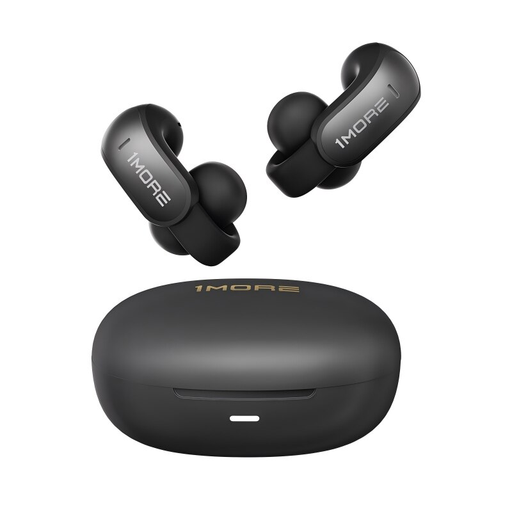
Why this product suits this profile: Open-ear sports headphones for users who want to remain aware of ambient sounds while training or out and about.
The open-ear clip-on design does not completely seal the ear canal. Nevertheless, the stated IPX5 rating should not be confused with complete waterproofing.
Bluetooth 5.4, ENC with two microphones and up to 28 hours of total playback time according to the product details.
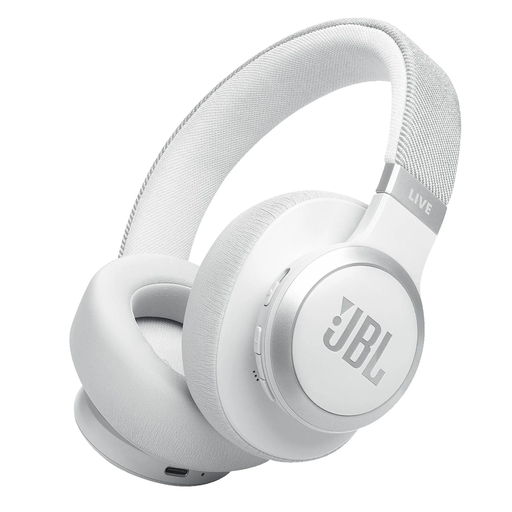
Why this product suits this profile: An over-ear model for long journeys, media consumption and calls across multiple Bluetooth devices.
The product details distinguish between up to 65 hours of battery life and up to 50 hours with Bluetooth and ANC activated. An Ambient mode is designed for situations where awareness of your surroundings is important.
Multipoint connectivity, 40-mm drivers, USB-C charging and a detachable audio cable. According to the stated specifications, the design weighs 256 g.
We have put together a complete, regularly updated list of products that fully meet these strict selection criteria and the safety regulations applicable in the EU.
Switch on Bluetooth on your smartphone, open the charging case if you are using True Wireless headphones and select the device name shown. With over-ear and on-ear models, you generally need to press and hold the power button until pairing mode starts. If you experience recurring connection problems, it may help to remove the device from the Bluetooth list and pair it again.
Their lifespan depends on the battery, charging habits, temperature and build quality. Built-in lithium-ion or lithium-polymer batteries lose capacity over time. Only charge them with suitable chargers, avoid extreme heat and store the headphones in a dry place. With True Wireless models, a case can extend daily use without completely preventing the batteries from ageing.
ANC can reduce ambient noise. In situations where warning signals, traffic or announcements are important, you should use Ambient mode or switch off noise cancelling. Headphones must not replace the attention required when out in traffic.