Compare recordings closely
If you listen to vocal phrases and accompaniment repeatedly, you can assess sound and controls using a familiar file.


If you repeatedly compare vocals, melodic phrasing and accompaniment, start by assessing sound and fit with a familiar recording; a single codec label won’t determine how it sounds. In a noisy environment, well-fitting headphones with noise cancellation can help. For longer listening sessions, comfort and battery life at your actual settings matter most. Also check that your downloaded files are accessible and playable on your playback device.
If you listen to vocal phrases and accompaniment repeatedly, you can assess sound and controls using a familiar file.
In a shared space, fit and noise cancellation can help stop background noise from drowning out quieter passages.
For longer listening sessions, comfort, breaks and battery life with noise cancellation set as you actually use it all matter.
Start by comparing a familiar recording and checking the fit. Then decide whether noise cancellation suits your surroundings. Finally, make sure your files and playback device work with the connection you want to use.
| What matters | What to check before buying | Who it matters most to |
|---|---|---|
| Sound for vocals and accompaniment | Listen to a familiar passage; only factor in sound settings if the app and device are compatible. | If I repeatedly compare phrases and instrumental accompaniment, I want to judge the recording with my own ears. Around 28% of consumers say sound comparison is their top priority. |
| Noise isolation in loud surroundings | Test the fit and noise cancellation with the kinds of sounds you usually hear; check the controls for taking breaks. | If background noise masks quieter sections when I’m studying, I want effective noise isolation without turning the volume up unnecessarily. Around 22% of consumers put this first. |
| Comfort during long sessions | Try the ear cushions and headband for a typical listening session; try them with glasses too, if needed. | If I listen to longer recordings, I want to avoid pressure points and assess the fit throughout the whole session. Around 22% of consumers prioritise long-term comfort. |
| Playing your own files | Check that you can access your files in the app; compare the Bluetooth features and codec support of both devices. | If I want to listen to recordings I’ve already downloaded, the file must actually be available and playable on my playback device. Around 17% of consumers put device and file compatibility first. |
| Battery life and portability | Compare battery life with noise cancellation set the same way; consider the weight and how much space they take up. | If I often listen on the go or can’t recharge, battery life and portability matter to me. Around 11% of consumers give these practical considerations the most weight. |
Accessing a file, its format and wireless transmission are separate steps. Apple notes that lossless audio isn’t transmitted losslessly over the Bluetooth connections covered in its support information.
First, check that the file plays on your playback device and in the app you’re using. If you have a particular codec in mind, check that both your headphones and playback device support it.
Manufacturers’ battery-life claims can vary depending on whether noise cancellation is on. Sony lists different maximum figures for the WH-1000XM6 with ANC on and off; Bose also gives a different figure for the QuietComfort Ultra Headphones 2nd Gen. when using 360-degree sound.
Only compare figures measured under the same settings, and don’t assume a maximum figure guarantees that much listening time.
In its review of the JBL Tour One M3, CHIP notes that low-frequency noise gets through the noise cancellation. An added sound effect can also change how a recording comes across.
Listen to the same passage with and without the effect, and assess it in the kind of environment where you usually listen.
JBL notes that some versions are sold without the SMART-Tx transmitter.
Check the exact version and what’s included with the product you’re considering. If you need this connection option, you may need a different version or another connection solution.
If the transmitter you need isn’t included, you’ll need to find another solution for this connection option.
The Tour One M3 is an over-ear headphone with noise cancellation and several connection options.
The QuietComfort Ultra Headphones 2nd Gen. are an over-ear ANC model with adjustable sound features.
The WH-1000XM6 and WH-CH720N differ in their documented features and codec specifications.
The Momentum 4 Wireless is an over-ear model with ANC and app-based sound adjustment.
The Inspire XH1 is an ANC over-ear model; Baseus lists LDAC and sound features.
The Joybuy models below include wireless options for noisy environments and longer listening sessions, as well as a compact open-ear design.
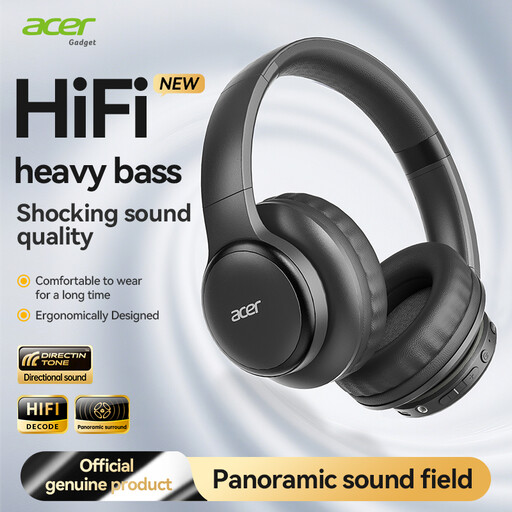 No image available
A wireless option if you want to listen to your recordings using Bluetooth headphones.
The product specifications list Bluetooth 5.3 and a Type-C charging port.
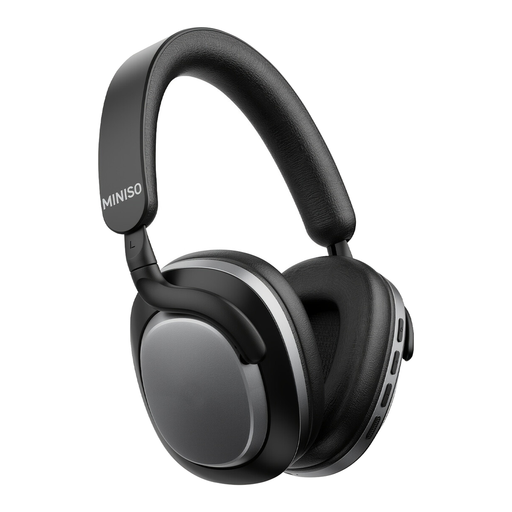 No image available
The over-ear design and noise cancellation may suit you if you’re looking for headphones for noisy environments. Try the fit and noise isolation with the kind of background sounds you usually encounter.
The product specifications quote up to 24 hours of battery life.
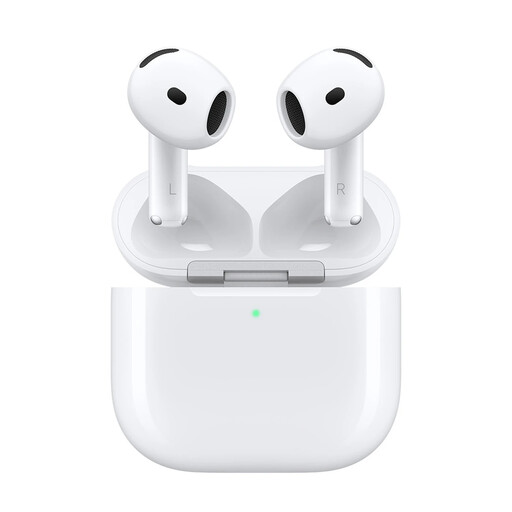 No image available
The open-ear design is a compact alternative to large over-ear headphones; check that the fit and noise isolation suit your listening environment.
The product name specifies active noise cancellation.
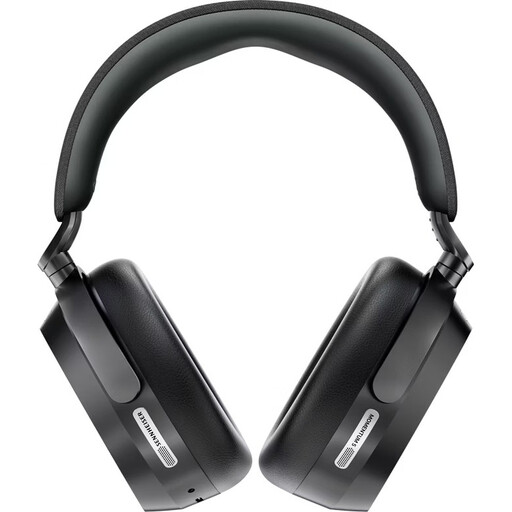 No image available
The closed-back over-ear design with ANC may suit longer listening sessions; try the fit for yourself.
The product specifications list up to 57 hours of battery life with ANC, Bluetooth 5.4 and a replaceable battery.
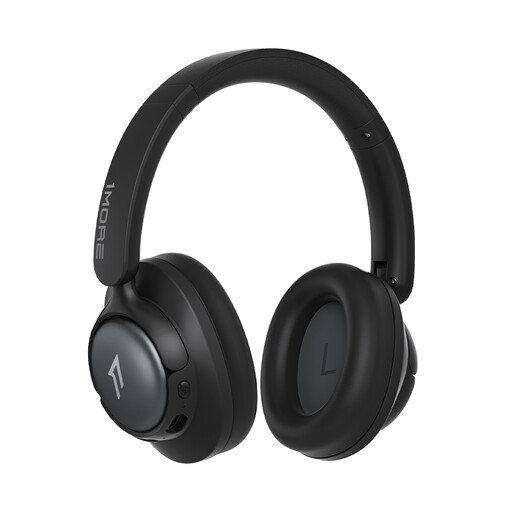 No image available
An over-ear option with ANC and app-based sound adjustment if you want to tailor the sound to your listening habits.
The product specifications list LDAC, an adjustable EQ in the app and up to 90 hours of playback. Check that your playback device supports the codec.
No, as long as the recording can be played on your playback device or in the app you’re using without an internet connection. The sound is then transmitted over a compatible Bluetooth connection. Check file access, pairing and playback on your own device; downloading a file doesn’t automatically make it available outside the app in which you downloaded it.
No. Apple notes that lossless audio isn’t transmitted losslessly over the Bluetooth connections covered in its support information. The codec you can use also depends on what both connected devices support.
Keep the volume moderate and take breaks. The World Health Organization gives 80 dB for up to 40 hours a week as an example of safe listening time; at 90 dB, its example drops to four hours a week. Clean the ear cushions according to the instructions for your specific model.
If a product is faulty, statutory consumer rights against the seller are separate from any voluntary manufacturer’s or retailer’s guarantee. The Verbraucherzentrale describes repair or replacement as the initial remedy; voluntary guarantees are subject to their own terms and conditions.
Since 28 December 2024, the EU common charging-port rules have also applied to covered headphones and earbuds. According to the European Commission’s interpretation, the rules apply, among other things, to devices with a rechargeable battery that can be charged by cable; the harmonised port is USB-C. Check the specifications for the specific device, as the rules don’t automatically apply to every type of wireless model.