Learners using quiet audio
You want to replay quietly spoken sections at a moderate volume and check the details, rather than continually turning the volume up.


Choose headphones to suit your listening environment and make sure they fit comfortably. In noisy surroundings, well-fitting, sound-isolating headphones with ANC can help you avoid turning the volume up to drown out background noise. In quiet rooms, clear speech at a moderate volume and comfort matter more than having as many ANC features as possible. Compare a familiar listening exercise at the same volume, and don’t treat manufacturers’ claims about sound or battery life as proof of improved German listening comprehension.
You want to replay quietly spoken sections at a moderate volume and check the details, rather than continually turning the volume up.
You practise at home with background noise or while out and about, and want a combination of a good fit, sound isolation and, if needed, ANC.
You wear headphones for longer stretches and pay particular attention to comfort, controls and battery life with the settings you actually use.
First, check whether the headphones suit your listening environment. Then compare the fit, controls and battery life for the length of your practice sessions.
| What matters | What to check when buying | Who will find this particularly important |
|---|---|---|
| Quiet speech details | Compare the same section at the same moderate volume, and check playback and volume controls. | If I want to replay a quiet section without turning the volume up, I look for clear detail and easy-to-use controls. Around 36% of consumers give quiet speech details top priority. |
| Background noise | Try the fit, ANC and ambient mode in a sound environment typical of where you study. | If background noise drowns out my listening exercise, I want to find out whether the fit and sound isolation work for my surroundings. Around 29% of consumers put reducing background noise first. |
| Comfort during long sessions | Test the fit and pressure over a realistic practice session, and compare battery life only with similar settings. | If I practise for a long time in one go, what matters most is whether the headband or ear tips feel comfortable. Around 21% of consumers prioritise comfort during longer sessions. |
| Compactness and simplicity | Compare the fit of in-ear and over-ear headphones, as well as the features you actually need. | If I only study on the go occasionally, I want to choose a suitable style without paying for features I don’t need. Around 14% of consumers put compactness and keeping things simple first. |
Manufacturers’ figures can vary depending on the settings used. Sony states that the WH-1000XM6 offers up to 30 hours with NC on and up to 40 hours with NC off.
Compare battery life using the settings you actually plan to use while studying.
Manufacturers’ feature claims don’t show how well you’ll hear your specific quiet German recordings.
Try a familiar passage at the same moderate volume, taking your listening environment into account.
A voluntary guarantee or insurance policy is separate from your statutory rights against the seller.
Check what an additional cover package includes and excludes, separately from your cancellation rights and statutory guarantee.
The WH-1000XM6 are closed-back wireless over-ear headphones with ANC, ambient mode and multipoint connectivity.
The 2nd Gen QuietComfort Ultra Headphones are over-ear ANC headphones designed to switch between noise cancellation and awareness of your surroundings.
According to Sennheiser Hearing, MOMENTUM 4 Wireless combines adaptive noise cancellation, transparency mode and adjustable sound.
The Space A40 range is a compact wireless in-ear option for learners who don’t want to carry over-ear headphones.
JBL describes the Tune 780NC as an over-ear model and the Tune 680NC as an on-ear model, both with ANC and Smart Ambient.
This selection includes wireless in-ear and over-ear headphones for listening practice. Before buying for the German market, check the CE marking information and the EU Declaration of Conformity for the specific listing.
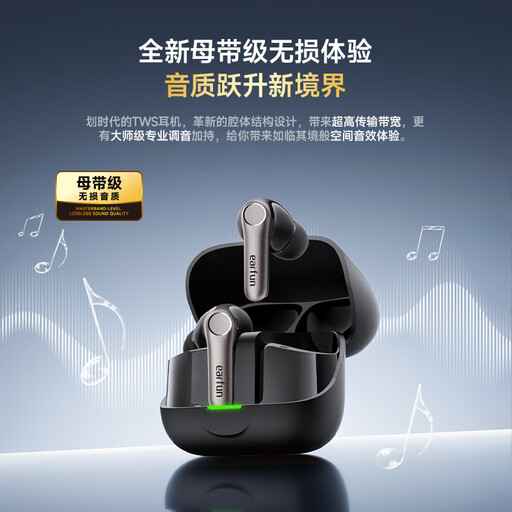 No image available
Wireless in-ear headphones with ANC, if you’re looking for a compact design that fits you comfortably.
The product name lists Bluetooth 6.0, aptX Lossless and LDAC.
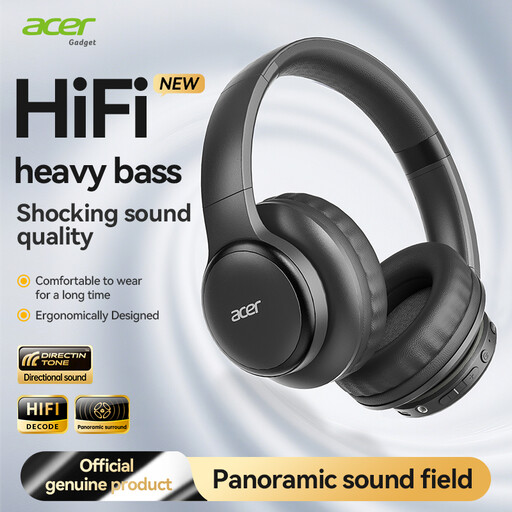 No image available
Listed as wireless headphones; compare how clearly your practice audio comes through at a moderate volume.
The product name lists Bluetooth 5.3 and a USB-C charging port.
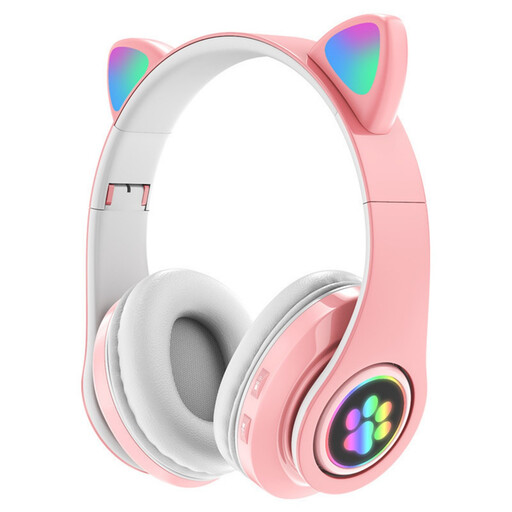 No image available
A wireless headband headset if you’d prefer an over-ear-style design to in-ear headphones.
The product name lists Bluetooth, a microphone, three modes and a foldable design.
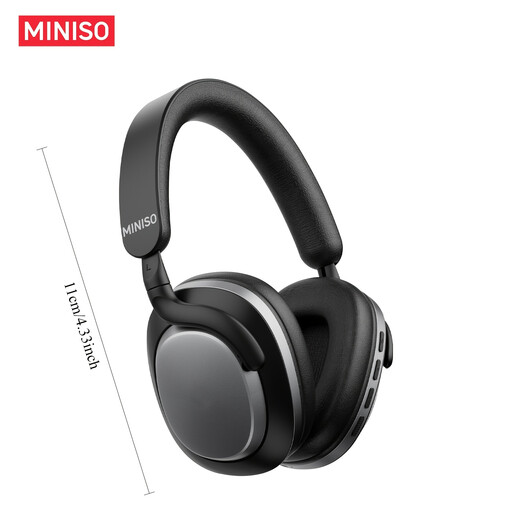 No image available
Described as wireless over-ear headphones with noise cancellation; check whether the fit and sound isolation suit where you study.
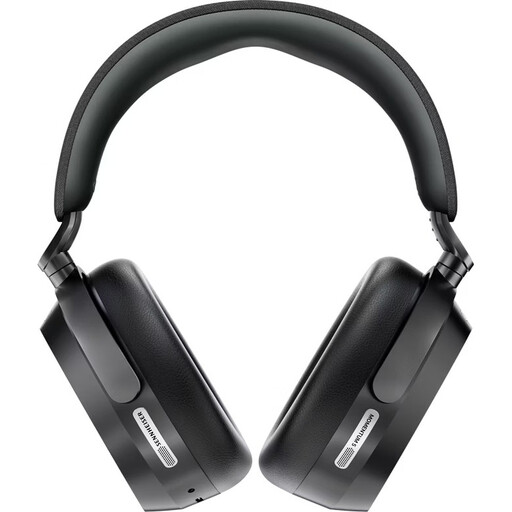 No image available
Wireless over-ear headphones with ANC, if you prefer an around-ear design when there’s distracting background noise.
The product name lists Bluetooth 5.4 and up to 57 hours of battery life; actual battery life depends on the settings you use.
No. This effect hasn’t been proven for specific learning recordings. In noisy surroundings, well-fitting headphones with noise reduction may help reduce the need to turn up the volume to drown out background noise. Compare the same section at a moderate volume.
On models with voice detection enabled, your own voice may trigger an automatic pause. Sony describes Speak-to-Chat as a feature that pauses playback when you speak. Check whether you can turn it off on your model when practising speaking along.
Keep the volume moderate, make sure the fit is comfortable and take listening breaks. The World Health Organization gives an average of 80 dB for no more than 40 hours a week as an example of safe listening for adults; without measuring the sound level, this doesn’t tell you what a safe volume setting is.
In Germany, online purchases from a business seller generally come with a 14-day right to cancel. The consumer advice centre explains that, depending on the circumstances, the cancellation period starts on the date the contract is made or the goods are received. Faulty goods are also covered by a statutory minimum two-year guarantee against the seller, as explained by the European Union. An additional manufacturer’s guarantee does not replace these statutory rights.
For a specific listing, check the CE marking and the EU Declaration of Conformity. The Federal Network Agency lists these as checks for Bluetooth products; the CE mark is a declaration by the manufacturer, not an independent assessment of sound quality.