Considerate audio-lesson learner
You listen to language lessons somewhere quiet and want to avoid others hearing the words or practice sounds. Focus on sound leakage rather than powerful music bass.


For an audio lesson at a quiet library desk, first check how much sound leaks out at your usual listening volume and whether the headphones stay comfortable over longer periods. Closed-back over-ear headphones or well-fitting in-ear headphones could be suitable options. ANC can help with distracting background noise, but it guarantees neither low sound leakage nor a comfortable fit.
You listen to language lessons somewhere quiet and want to avoid others hearing the words or practice sounds. Focus on sound leakage rather than powerful music bass.
You listen to several lessons in a row and want to assess the fit, speech clarity at a moderate volume and how it feels to take breaks using your own course material.
You switch between a computer and a mobile phone to access your course material. Multipoint and battery life in the mode you actually use may then matter more than extra sound effects.
First, check sound leakage at your usual listening volume, then consider fit and speech clarity. Only then decide whether ANC, Multipoint or a particular battery life is important for your learning environment and devices.
RTINGS.com notes that open-back designs tend to leak more sound; closed-back headphones can still be audible to others. ANC reduces background noise for the listener, but it doesn’t show how much of your course audio other people can hear.
| What to consider | What to look for | Who is this particularly important for? |
|---|---|---|
| Sound leakage | Check for a closed-back design and whether sound can be heard from the next seat at a normal course volume. | If I don’t want to disturb anyone with my course at a quiet desk, I pay attention to how much sound leaks out. Around 36% of consumers put low sound leakage first. |
| Fit and speech clarity | Try the ear cushions or ear tips with a familiar section of your course, checking for pressure points and clear speech. | For longer lessons, I want a comfortable fit and clear speech without having to turn the volume up unnecessarily. Around 29% of consumers prioritise comfort and speech clarity. |
| Noise isolation | Try ANC in your actual surroundings and consider whether you need to hear important sounds around you. | If there’s occasional noise where I study, I want to be able to concentrate better on my course. Around 21% of consumers consider noise isolation their top requirement. |
| Switching devices and battery life | Check Multipoint on the specific model and compare battery life only in the same listening mode. | If I switch between my computer and mobile phone to continue a course, or want to charge less often, battery life in the mode I use matters. Around 14% of consumers put switching devices and battery life first. |
Noise cancelling helps the listener reduce background noise. It doesn’t tell you how clearly other people will be able to hear your audio lesson.
Look for a closed-back design and ask someone to listen from the next seat while you play audio at your usual volume.
Open-back designs tend to let more sound reach people nearby.
Check whether your audio can be heard from the next seat and find out what the library’s rules are. If others can hear your lesson, consider a closed-back alternative.
Manufacturers’ figures can vary depending on the mode in use. Sony quotes up to 30 hours for the WH-1000XM6 with Noise Cancelling on and up to 40 hours with it off; Bose quotes up to 30 hours for the QuietComfort Ultra Headphones (2nd Gen.) and up to 23 hours with 360-degree sound.
Compare figures only for the mode you actually plan to use during your course.
A voluntary manufacturer’s warranty has its own terms and is separate from your statutory rights against the seller.
Before buying extra cover, check which statutory rights already apply and what the warranty terms are.
The Space One is a wireless over-ear model with ANC and Multipoint, aimed at learners looking for both features.
JBL describes the Tune 780NC as an over-ear model with ANC and the Tune 680NC as a more compact on-ear alternative.
The WH-1000XM6 is a closed-back over-ear model with ANC, Multipoint and an additional wired input.
The QuietComfort Ultra Headphones (2nd Gen.) are an over-ear ANC option to consider when comparing fit and noise cancelling.
The MOMENTUM 4 Wireless is an over-ear model with adaptive ANC and a Transparency mode.
The Joybuy models below include wireless over-ear headphones and a pair of True Wireless in-ear headphones. Compare the design and fit, and check sound leakage at the volume you actually use when studying.
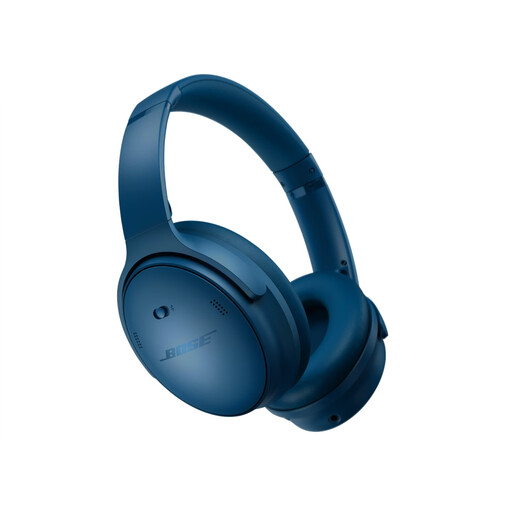 No image available
If you’re looking for wireless headphones for studying in the library, check this model’s design, fit and sound leakage at your usual volume.
Wireless model; Twilight Blue colour.
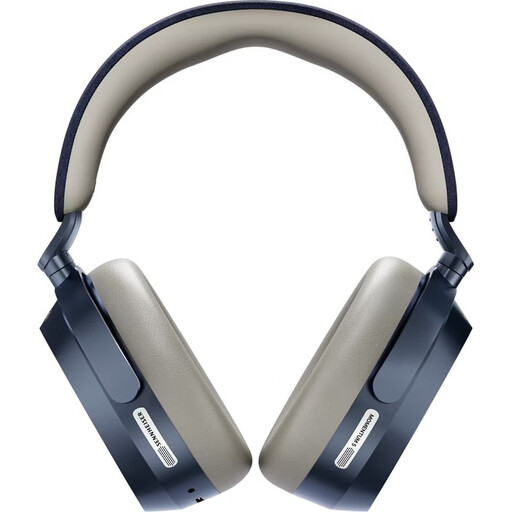 No image available
If you’re looking for over-ear headphones for longer lessons, try them with your own course material and check for sound leakage from the next seat.
The product name lists up to 57 hours of battery life with ANC, 8 microphones and Dolby Atmos.
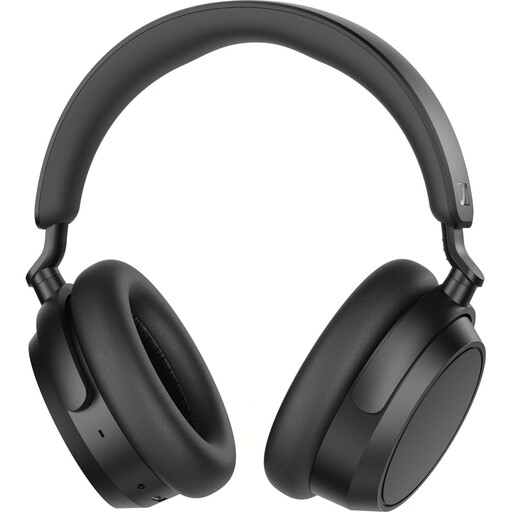 No image available
If you’re considering over-ear headphones with features for switching between devices, check before buying that the listed features work with your devices and suit the way you study.
The product name lists Multipoint, Bluetooth 5.2 with aptX and 50 hours of battery life.
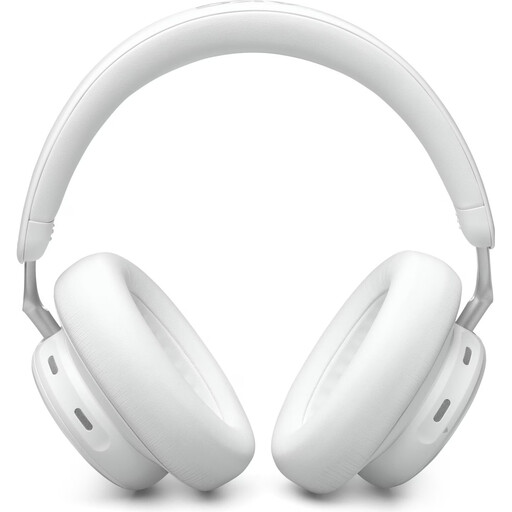 No image available
If you’re looking for over-ear headphones for a shared study space, check for sound leakage at a normal volume and make sure they’re comfortable for your lessons.
The product name lists Multipoint, Bluetooth 5.3, a USB-C dongle and up to 55 hours of battery life.
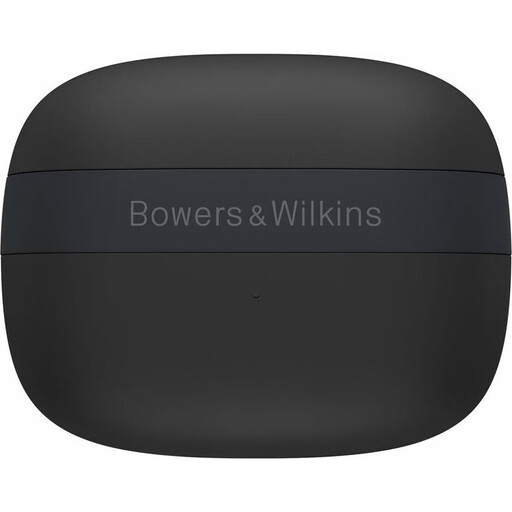 No image available
If you’re looking for a compact in-ear alternative for audio lessons, check that the ear tips feel comfortable and provide a good seal.
The product name lists Multipoint and up to 8 hours of battery life.
First, check the rules at the library you’re visiting and whether other people can hear your audio. Closed-back models tend to leak less sound than open-back designs, but you should still test them at your usual volume.
For the soundcore Space One, the manufacturer describes Multipoint between devices such as a computer and mobile phone: once one device is connected, you can activate the mode by pressing the power button twice, then pair the second device. For other models, follow the instructions for that device.
Not as a first step: check the fit, recording and settings first. The World Health Organization recommends considering volume and listening time together, taking regular breaks and, when monitoring playback, staying below an average level of 80 dB where possible. This is listening advice, not a library rule.
For a distance sale from a business seller, you generally have 14 days from delivery to cancel, subject to statutory exceptions. Your Europe – European Union also explains that faulty goods are covered by a statutory guarantee of at least two years from receipt; this is separate from a voluntary manufacturer’s warranty. Check the terms that apply and any return costs before buying.