Which headphones are right for you?

Audio guide users with their own smartphone

You want to listen to the guide without a room loudspeaker, so first check that your headphones are compatible with the device playing the audio. The Museum für Naturkunde Berlin recommends using your own headphones with its smartphone audio guide.

Visitors who want to stay accessible

You want to keep an ear out for the commentary, announcements and anyone with you. Open-ear earbuds and headphones with an ambient mode offer different ways to balance these needs.

Visitors on longer tours

You’ll be particularly interested in a comfortable fit, easy controls and enough battery life. Playback times vary between manufacturers, depending on the design and operating mode.

What should you look for when buying?

Open Bluetooth earbuds

A good choice if: You want to hear announcements and the people with you as naturally as possible, and the commentary remains clear at a moderate volume.

The trade-off: The open design does little to block out conversations; soundcore notes that sound can leak out.

Sealing true wireless earbuds

A good choice if: You want to reduce background noise while listening, prefer to travel light and find the earpieces comfortable.

The trade-off: You’ll need to use transparency mode or pause playback to hear conversations or announcements. Sennheiser also distinguishes between the earbuds’ battery life and the extra charge in the case.

Closed-back Bluetooth over-ear headphones

A good choice if: You prefer an over-ear design or want to reduce distracting background noise.

The trade-off: The larger design takes up more space. Try the fit for yourself and check how easily you can switch to hearing the sounds around you.

Museum loan device

A good choice if: The museum provides a complete loan system and hasn’t confirmed that your own headphones will connect.

The trade-off: Availability depends on the museum, and a loan device isn’t a wireless headphone option you can buy. The Deutsches Museum provides devices and headphones at its Verkehrszentrum; this doesn’t mean that the loan device is Bluetooth-compatible.

What matters What to check when buying Who is it important to?
Connecting to the audio guide Ask the museum what device plays the audio and whether it supports Bluetooth. If you’re using your smartphone, test the pairing in advance. If I want to be sure the sound is actually coming through my headphones, the audio source is key. Around 29% of consumers prioritise connecting to the audio guide.
Staying aware of your surroundings Check for an open design or an easy-to-access ambient mode; in quiet rooms, pay attention to sound leakage. If I want to hear announcements and the people I’m with, I look for an easy way to switch between the guide and ambient sound. Around 23% of consumers put awareness of their surroundings first.
Speech clarity Check the fit and seal; try noise cancellation and ambient mode, and keep the volume at a comfortably low level. If conversations are distracting, I want to follow the narration without turning the volume up unnecessarily. Around 18% of consumers prioritise clear speech despite background noise.
Comfort Try the design on in person if possible; check for pressure, a secure fit and easy controls while walking. If I’m walking around exhibitions for a long time, I want a comfortable fit that doesn’t need constant adjusting. Around 18% of consumers put comfort first.
Battery life Compare playback time per charge in the mode you plan to use; charge your headphones before your visit. For a longer tour without a charging break, I want to know how long the earbuds themselves can play continuously. Around 12% of consumers prioritise battery life.

Common misconceptions

  • An audio guide will automatically work with Bluetooth headphones

    Museums use different audio sources. Some guides run on your own smartphone, while others use devices provided by the museum, with headphones.

    Before buying or visiting, ask the museum in question what device plays the audio and how it connects. If you’re using a smartphone guide, test the pairing in advance.

  • Open-ear earbuds never disturb anyone else

    Open designs let in sound from your surroundings, but audio can also leak out in a quiet exhibition space.

    Check that speech is clear at a moderate volume, and pay attention to whether people nearby can hear what you’re listening to.

  • The charging case’s battery life is continuous listening time

    With true wireless models, the extra charge from the case isn’t the same as playback time on a single earbud charge.

    Compare battery life per charge with how long you plan to listen, and take the intended operating mode into account.

    If a single charge doesn’t last long enough, stopping to recharge could interrupt a longer tour.

A guide to relevant brands

Sony

The WH-CH720N is a closed-back over-ear headphone with noise cancellation and an ambient mode.

  • Sony lists the weight of this model as around 192 g, with up to 35 hours of music playback with noise cancellation on, or 50 hours with it off.
  • These are the manufacturer’s figures for music playback, not a guarantee of battery life when using an audio guide. Try the fit for yourself.

Sennheiser

The ACCENTUM range includes the over-ear ACCENTUM Wireless and the in-ear ACCENTUM True Wireless.

  • Sennheiser lists ANC, transparency mode and up to 50 hours of playback for ACCENTUM Wireless. ACCENTUM True Wireless is listed as offering up to 8 hours per charge, plus 20 hours from the case.
  • The designs and battery lives differ; the charging case’s battery life shouldn’t be confused with continuous playback time.

JBL

The over-ear Live 770NC and on-ear Live 670NC are documented alternatives with ANC and Smart Ambient.

  • JBL lists up to 50 hours with Bluetooth and ANC on for both models, or up to 65 hours with ANC off.
  • The manufacturer’s figures don’t confirm whether the fit will suit you or whether the headphones will connect to a particular museum loan device via Bluetooth.

soundcore

AeroClip has an open clip-on design, making it an option if staying aware of your surroundings is important.

  • soundcore describes AeroClip as an open-ear clip-on earbud.
  • Sound can leak out of open designs. Whether other people can hear it depends, among other things, on the volume and the surroundings.

Joybuy products for compatible audio guides

This selection includes closed-back Bluetooth over-ear headphones and open Bluetooth earbuds for audio guides with a compatible audio source.
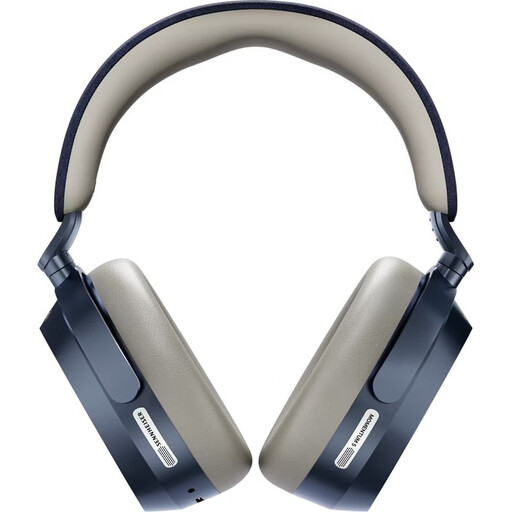
Sennheiser Momentum 5 Wireless over-ear headphones in Denim Blue

Sennheiser Momentum 5 Wireless over-ear headphones, Denim Blue

The over-ear design could suit a longer audio guide played from a compatible Bluetooth source.

The product name lists Active Noise Cancellation and up to 57 hours of battery life.

Joybuy
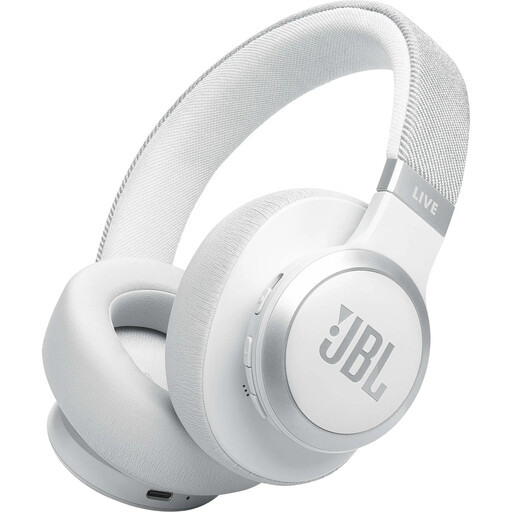
JBL LIVE 770NC wireless over-ear headphones in white

JBL LIVE 770NC wireless over-ear headphones, white

The over-ear design could work with an audio guide from a compatible Bluetooth source if you prefer a close-fitting style.

The product name lists wireless connectivity and noise cancellation.

Joybuy
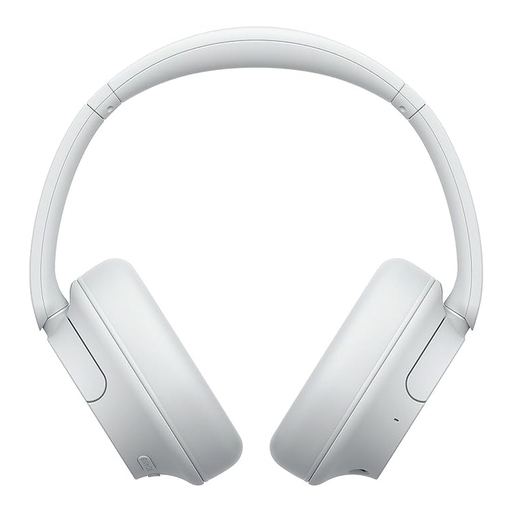
Sony WH-CH720N wireless over-ear headphones in white

Sony WH-CH720N wireless over-ear headphones, white

For longer listening with a compatible Bluetooth source, the closed-back over-ear design is one option. Check that it feels comfortable to wear.

The product name lists a weight of around 192 g and up to 35 hours of battery life.

Joybuy
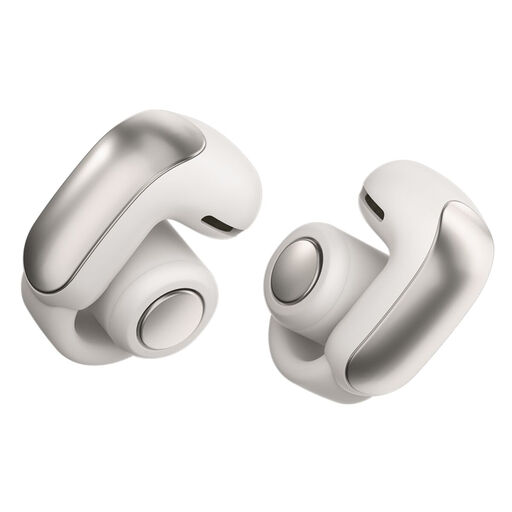
Bose Ultra Open Earbuds with an open clip-on design in white

Bose Ultra Open Earbuds, open clip-on earbuds, white

The open clip-on design could suit you if you want to stay aware of your surroundings while listening to an audio guide.

The product name lists Bluetooth and OpenAudio Technology. Sound can leak out of open earbuds.

Joybuy
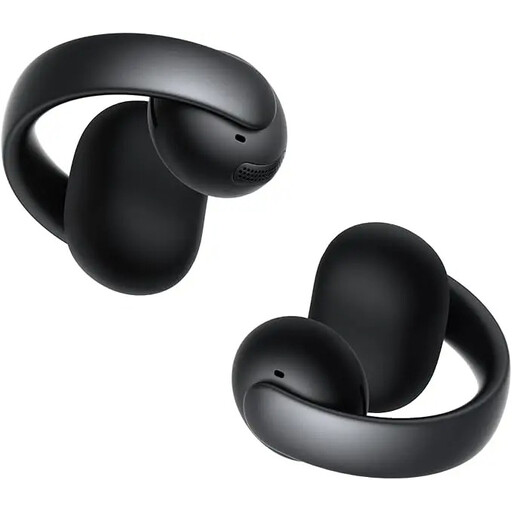
soundcore AeroClip True Wireless Stereo open-ear clip-on earbuds in black

soundcore AeroClip True Wireless Stereo (TWS), open-ear clip-on earbuds, black

The open clip-on design is an option if you want to hear ambient sounds while listening to an audio guide.

The product name lists Bluetooth. Sound can leak out of open earbuds; how clearly other people hear it depends on the surroundings.

Joybuy

Frequently asked questions

Can I use my Bluetooth headphones with any museum audio guide?

No, it depends on the audio source used by each museum. The Museum für Naturkunde Berlin offers a guide on your own smartphone and recommends using your own headphones. The Deutsches Museum, on the other hand, provides devices and headphones for its audio guide at the Verkehrszentrum. Ask the museum what device plays the audio and, if necessary, test the connection to your smartphone.

How can I listen as safely as possible while walking around?

Start at a low volume and don’t turn it up just to drown out conversations. The World Health Organization recommends keeping the volume on personal audio devices below 60% of the maximum. Also make sure you can hear announcements in the gallery.

What should I check when buying Bluetooth headphones in Germany?

Check the product labelling and the manufacturer’s information, but don’t treat a product description alone as proof that the specific item complies with the relevant requirements. The Bundesnetzagentur lists CE marking, product identification and correct manufacturer details among the points it checks during market surveillance.

What rights apply if I buy headphones online or they’re faulty?

For a purchase from a trader in the EU, you’re generally entitled to a minimum of two years’ statutory guarantee from the date you receive the goods. This is separate from any additional manufacturer’s warranty. For a distance purchase, you generally have 14 days from delivery to withdraw from the contract. The details and exceptions depend on the applicable rules and the circumstances of the purchase.