Who are the different headphone styles suited to?

Visitors listening to quiet commentary

If you want to understand a smartphone audio guide at a moderate volume, look for a good fit and the right level of noise isolation. The Deutsches Museum recommends bringing headphones for its app, while the World Health Organization advises using well-fitting headphones.

Visitors who need to hear what's around them

If you want to hear your companions, announcements and what's happening in the room, open-ear hooks or a quick-to-activate transparency mode could be worth considering. Information about how well open-ear models let in surrounding sounds comes from the manufacturers.

Visitors who aren't sure which device the audio guide uses

If you're buying headphones for a particular museum visit, first check whether the guide runs on your smartphone or a loan device. The Deutsches Museum describes both an app for your own smartphone and audio guides that can be hired with headphones.

What should you look for when buying?

Noise-isolating in-ear headphones with ANC

A good fit if: You listen to the guide on your own smartphone and distracting conversations drown out the quiet commentary.

The trade-off: Fit and seal vary from person to person; you'll need to switch on transparency mode to hear conversations or announcements.

Open-ear headphones

A good fit if: You want to hear your companions and announcements at all times, and the rooms are quiet enough for low-volume recordings.

The trade-off: Their open design won't block out conversations in the room like noise-isolating in-ear headphones.

Closed-back over-ear headphones with ambient mode

A good fit if: You'd also like to use closed-back headphones outside the museum and find the larger design comfortable.

The trade-off: Try them on and consider their size and fit before wearing them on a museum tour.

What matters to you What to check before buying Who this matters most to
Understanding quiet speech Test the fit and speech playback at a moderate volume; don't assume ANC guarantees you'll hear every word clearly. If you want to understand quiet commentary without turning the volume up, fit is key. Around 28% of consumers say understanding quiet speech is their top priority.
Hearing your companions and announcements Check whether your ear stays open or whether you can quickly switch on an ambient mode. If you want to hear your companions and announcements on a tour without constantly removing your headphones, being able to hear your surroundings matters most. Around 22% of consumers prioritise this.
Connecting to the audio guide Ask the museum whether it uses a smartphone app or loan device; if it's a loan device, specifically check whether it supports Bluetooth. If you're buying for a particular visit, you'll want to make sure your headphones work with the audio source. Around 22% of consumers prioritise device compatibility.
Fit and portability Check the ear tip sizes or headband fit, and try on your chosen style before wearing it for an extended period. If you'll be wearing your headphones for a while and want them to be comfortable to carry on a tour, consider their fit and design. Around 17% of consumers put fit first.
Battery life for your visit Compare playback time per charge in the listening mode you plan to use, not just the total battery life including the charging case. If you want your headphones to last the whole tour without needing to recharge, battery life in the mode you'll use is essential. Around 11% of consumers prioritise this.

What mistakes should you avoid?

  • Assuming a museum loan device supports Bluetooth

    Some museums offer a guide for your own smartphone, while others lend out audio guide devices with headphones. That doesn't automatically mean you can connect your own Bluetooth headphones.

    Before buying, check the information provided by the museum you're visiting. If you're using a loan device, specifically ask about Bluetooth and connection options.

  • Confusing open-ear headphones with noise isolation

    An open ear lets you hear ambient sounds, but won't block out distracting conversations like a noise-isolating in-ear headphone. This can make quiet commentary harder to understand.

    Test quiet recordings with the level of background noise you expect. If it gets in the way, noise-isolating headphones that fit well and have an optional transparency mode could be an alternative.

  • Comparing battery life figures for different operating modes

    Playback time per charge, battery life with ANC and total battery life including the charging case are different figures.

    Compare figures only when the listening mode and basis of measurement are similar. If the figures differ, check the model and test conditions against the manufacturer's information.

  • Relying on higher volume alone to hear quiet speech

    The World Health Organization includes volume and listening time in its advice on safe listening; Germany's Federal Environment Agency recommends listening to headphones at a moderate volume.

    Check the fit and noise isolation, find a suitable listening environment and take listening breaks rather than turning the volume up for long periods.

Which brands and product ranges are worth considering?

Shokz

The OpenFit 2 range features open-ear hooks for when staying aware of your surroundings matters more than blocking out noise.

  • Shokz lists physical buttons and up to 11 hours of playback per charge for OpenFit 2, with up to 48 hours including the charging case.
  • The open design won't reduce distracting noise like a noise-isolating in-ear headphone. Claims about voice clarity come from the manufacturer and aren't based on a museum test.

Sennheiser

ACCENTUM True Wireless is an example of compact in-ear headphones with ANC, transparency mode and several ear tip sizes.

  • Sennheiser lists four ear tip sizes for this model, along with up to 8 hours of playback and a further 20 hours from the case.
  • Fit and how clearly you hear quiet recordings will vary from person to person. The manufacturer's comments on comfort and sound aren't based on an independent museum test.

Sony

The WH-1000XM6 is a pair of closed-back wireless over-ear headphones with an optional ambient mode.

  • Sony gives the weight of this model as around 254 g, with up to 30 hours of battery life with noise cancelling on or 40 hours with it off.
  • Consider the larger design and how it fits when wearing it on a tour. Claims about sound and noise cancelling come from the manufacturer, not independent tests with museum audio guides.

Apple

AirPods Pro 3 are in-ear headphones with ANC, transparency mode and five included sizes of silicone ear tips.

  • Apple lists up to 8 hours of playback per charge with ANC enabled.
  • Check which of the settings and features you want are available with your particular phone. Hearing health features aren't automatically available everywhere or on every device.

JBL

Tour Pro 3 pairs noise-isolating true wireless earbuds with ANC and a charging case you can use to control them.

  • JBL lists a Smart Charging Case and the ability to let in outside sounds.
  • The case's transmitter function is only useful if the audio source has a compatible output; it doesn't prove that it can connect to a museum loan device.

Joybuy products at a glance

The Joybuy products below include in-ear, open-ear and over-ear designs. The right option for you depends on whether you'd rather block out noise to hear quiet speech or stay more aware of your surroundings during the tour. You should also check which audio source the museum uses.
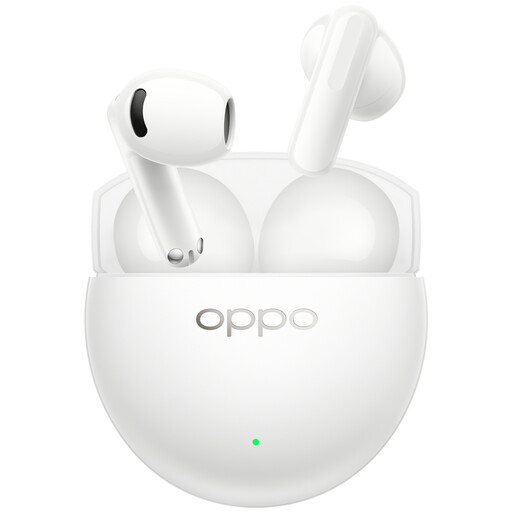
OPPO Enco Air5 earbuds in Lunar White

OPPO Enco Air5, Lunar White

Could be worth considering if you want an option for blocking out distracting ambient noise; the product description lists adaptive ANC.

View at Joybuy
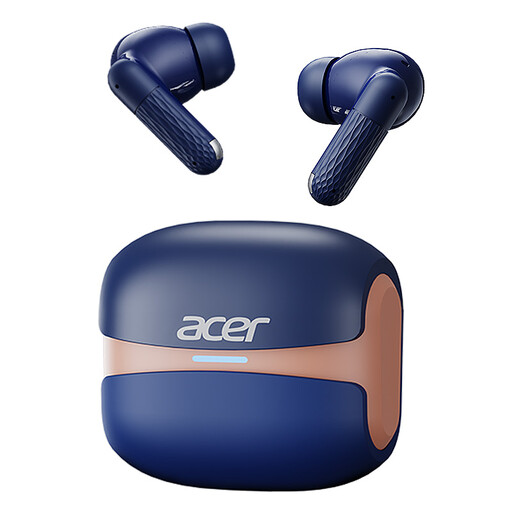
Acer OHR548 wireless in-ear headphones

Acer OHR548 Wireless Earphones

Could be a good fit if your audio guide runs on your own Bluetooth-enabled device.

Bluetooth 5.4; touch controls; Type-C charging case.

View at Joybuy
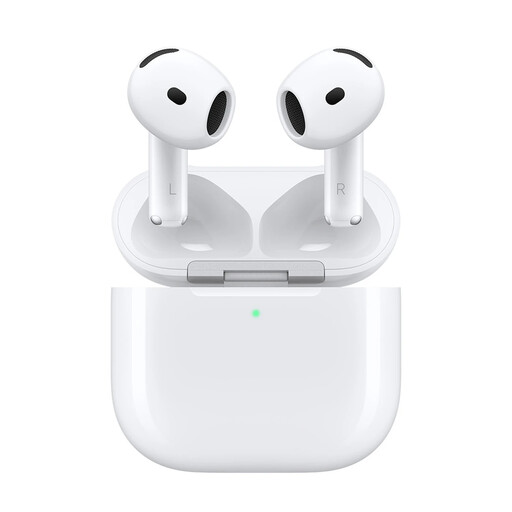
AirPods 5 Open-Ear Wireless Earbuds

AirPods 5 Open-Ear Wireless Earbuds

The open design could be an option if you want to hear your companions and announcements at all times.

Open-ear design; the product title lists Active Noise Cancellation. According to the product description, functionality is limited when used with other Bluetooth devices.

View at Joybuy
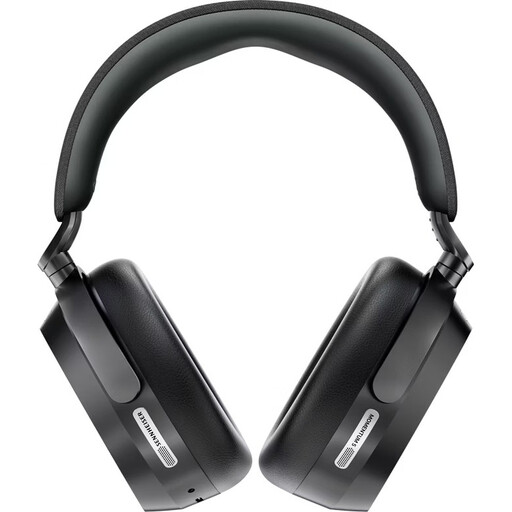
Sennheiser Momentum 5 wireless over-ear headphones

Sennheiser Momentum 5 Wireless

Could be worth considering if you're looking for closed-back over-ear headphones with ANC and an optional transparency mode.

Bluetooth 5.4; up to 57 hours of battery life according to the product name; closed-back design.

View at Joybuy
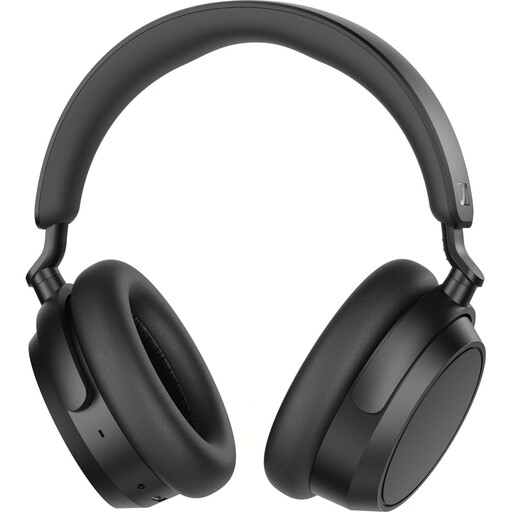
Sennheiser Accentum Plus Wireless over-ear headphones

Sennheiser Accentum Plus Wireless

Could be an option if you're looking for closed-back over-ear headphones with ANC to block out distracting ambient noise.

Bluetooth 5.2 with aptX and Multipoint; closed-back design.

View at Joybuy

Frequently asked questions

Can I connect my Bluetooth headphones to any museum audio guide?

No, that's not something you can assume. The Deutsches Museum describes both an app for your own smartphone and loan audio guide devices with headphones. Check whether you can connect your Bluetooth headphones to the specific device at the museum you're visiting.

How should I set up my headphones for quiet audio guide commentary?

Connect them to the audio source you'll actually be using, check the fit and start at a moderate volume. If ambient noise is distracting, try the noise isolation or ANC on models with these features. For conversations and announcements, you may be able to switch to transparency mode rather than turning the volume up and leaving it there.

How should I compare battery life for a museum visit?

Compare playback time per charge in the listening mode you actually plan to use. Apple lists up to 8 hours per charge with ANC for AirPods Pro 3; Sennheiser lists 8 hours for ACCENTUM True Wireless, plus a further 20 hours from the case. These are manufacturer figures, not a guarantee for every use.

Is a manufacturer's guarantee the same as the statutory guarantee?

No. According to the EU's Your Europe information site, when you buy from a business seller in the EU, you generally have a statutory guarantee of at least two years from the date you receive the goods, against the seller. A manufacturer's guarantee is separate; check the terms of the specific offer.

What should I know about the CE marking on Bluetooth headphones?

Bluetooth headphones placed on the market in Germany must meet EU requirements for radio equipment, including the required CE marking, as explained by Germany's Federal Network Agency. A CE marking alone doesn't prove that every individual product complies or that quiet speech will be clear with a particular audio guide.