Listening quietly in a shared room
If you want to listen to comedy as privately as possible, both your source’s audio output and the sound that escapes at your usual volume matter. ANC alone doesn’t prove that the other person won’t hear anything.


For a radio app on a smartphone or tablet, Bluetooth headphones are a suitable option, provided your source outputs Bluetooth audio. If it doesn’t, headphones with their own transmitter may be an option, as long as the transmitter’s input is compatible with the radio’s audio output. Also check the fit, how clearly you can hear speech at a moderate volume and how much sound is audible to others: ANC alone doesn’t tell you how much the other person will hear.
If you want to listen to comedy as privately as possible, both your source’s audio output and the sound that escapes at your usual volume matter. ANC alone doesn’t prove that the other person won’t hear anything.
If voices and punchlines matter to you, check whether you can make out speech clearly at a low volume. Sennheiser lists a speech mode for the RS 120-W; the best way to judge whether it suits you is to try a familiar spoken passage.
If you’re planning longer listening sessions in the evening, consider fit, controls and battery life together. You can’t tell whether headphones will be comfortable just from their design or the manufacturer’s battery-life claim.
A good fit if: You listen to radio comedy through an app and your source outputs Bluetooth audio.
The trade-off: ANC can change how you perceive noise, but it doesn’t show how much sound will still be audible in the room.
A good fit if: You prefer a more compact headband design and your source outputs Bluetooth audio.
The trade-off: Check the pressure on your ears and how much sound escapes; battery-life claims don’t tell you whether the fit will suit you.
A good fit if: Your radio source has an audio output that works with the transmitter, or you’d like to put the headphones on a transmitter base to charge them.
The trade-off: Check the connection beforehand; a transmitter system isn’t a universal replacement for Bluetooth with every radio app.
| Priority | What to check before buying | Who is it important to? |
|---|---|---|
| Listening privately | Design and fit; at your usual volume, check what remains audible in the room. | If you want to listen to the programme without disturbing the other person unnecessarily, private listening comes first for you. Around 29% of consumers put this priority first too. |
| Understanding dialogue | Try a familiar spoken passage at a moderate volume and compare any available speech settings. | If you want voices and punchlines to remain clear even at a low volume, pay particular attention to speech reproduction. Around 23% of consumers give this priority. |
| Comfort and fit | Check the ear cushions, headband pressure and controls while wearing your own glasses and sitting in your usual listening position. | If you want to listen for longer without the headphones becoming uncomfortable, fit is crucial. Around 18% of consumers put comfort first. |
| Connecting your source | Check that your radio, smartphone or tablet’s audio output is compatible with the connection method you plan to use. | If you want to keep using a particular radio source, it needs to work with the headphones or transmitter. Around 18% of consumers prioritise checking this connection. |
| Battery life and setup | Compare battery life only under the same operating conditions, and consider how much effort it takes to connect the headphones to your source. | If battery life and the setup involved will determine your choice, compare these points before buying. Around 12% of consumers give them priority. |
Noise control primarily affects what you hear; it doesn’t show how much sound remains audible outside the headphones.
Check the design and fit at your usual volume and, if possible, ask someone else in the room to listen too.
You won’t be able to use the wireless connection you want unless your existing source has a compatible audio output.
Before buying, check that your source’s output matches the connection on the specific transmitter.
Sony gives different maximum battery-life figures for the WH-CH720N depending on whether Noise Cancelling is switched on.
Compare battery-life claims only under the same operating conditions.
The design details for the JBL Tune 780NC differ between the specific product listing and the manufacturer’s information.
Check the full model name and the key features of the specific listing against the manufacturer’s information.
The closed-back Bluetooth over-ear WH-CH720N is an option for radio apps on compatible Bluetooth sources.
The RS 120-W is a transmitter system for a radio source with a compatible audio output.
The TAH4209BK/00 is a Bluetooth on-ear model for sources with compatible Bluetooth audio output.
The Space One is a Bluetooth over-ear option with adjustable noise control.
Depending on the model, the Tune range includes Bluetooth on-ear and over-ear headphones.
This selection includes wireless Bluetooth headphones for compatible audio sources. Check beforehand that your radio or mobile device outputs Bluetooth audio.
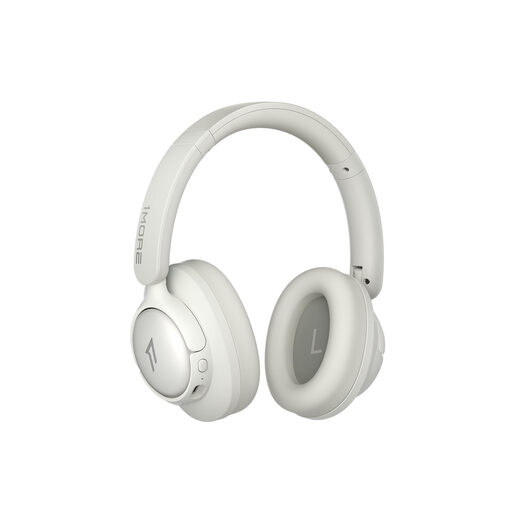 No image available
For a compatible Bluetooth audio source; the product information describes a wireless over-ear design.
The product title mentions Noise Cancelling and up to 90 hours of playback.
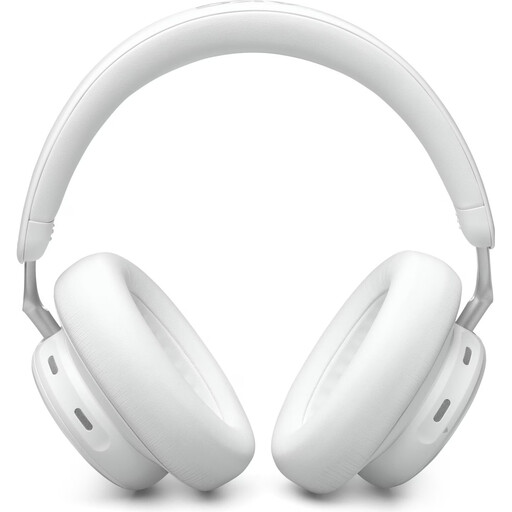 No image available
For a compatible Bluetooth audio source; the product title describes a wireless over-ear design.
The product information lists Bluetooth 5.3, Multipoint, a 2.4 GHz USB-C dongle and up to 55 hours of battery life.
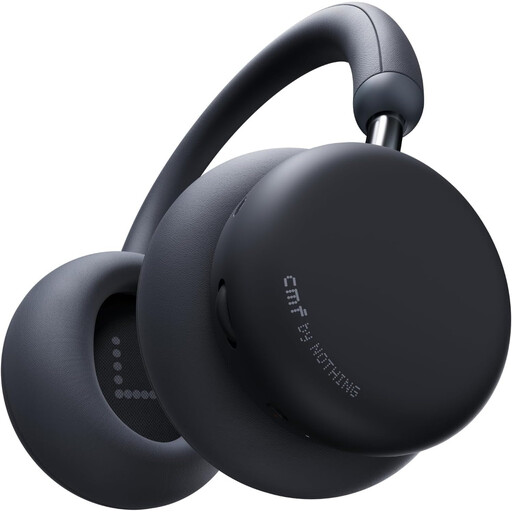 No image available
For a compatible Bluetooth audio source; the product information describes a wireless over-ear design.
The description lists Bluetooth 5.4 and up to 100 hours of battery life without ANC or 48 hours with ANC.
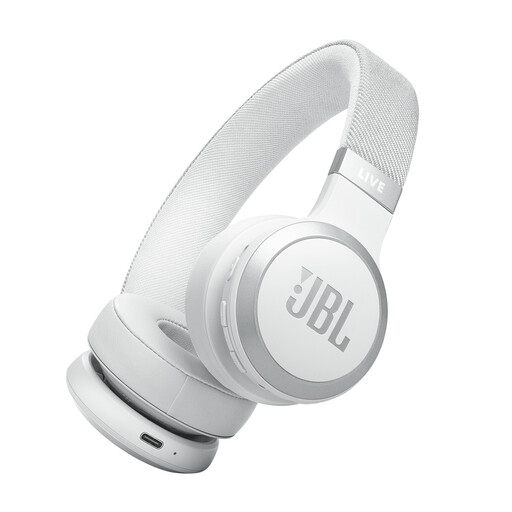 No image available
For a compatible Bluetooth audio source; the product information describes a wireless on-ear design.
The description lists True Adaptive Noise Cancelling and up to 65 hours of playback without ANC.
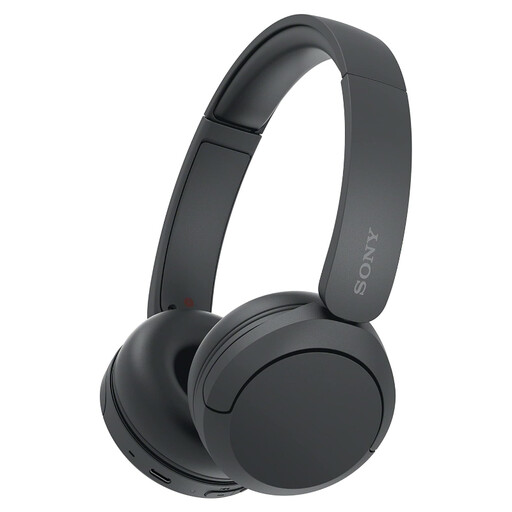 No image available
For a compatible Bluetooth audio source; the product title describes a wireless on-ear design.
The product description lists Bluetooth 5.2, Multipoint, a weight of 147 g and up to 50 hours of battery life.
Your source only needs to output Bluetooth audio for a direct Bluetooth connection. If you listen through a smartphone app, check your device’s audio output. If your radio doesn’t output Bluetooth audio, a transmitter system is only an option if its input is compatible with the radio’s audio output.
Follow the instructions for the specific model. Sony describes manual Bluetooth pairing for the WH-CH720N, as well as a separate option to connect to two devices; the Sennheiser RS 120-W charges when you place the headphones on the transmitter base.
The World Health Organization recommends considering volume and listening time together, and taking regular breaks. Its general guideline of an average below 80 dB and no more than 40 hours a week at 80 dB isn’t a measurement of the headphones mentioned here.
No. Your statutory rights are against the seller; a guarantee is an additional voluntary promise subject to its own terms. The consumer advice centre recommends checking who the seller is and what the guarantee covers before buying.
Radio equipment covered by the relevant EU rules and placed on the EU market must carry a CE marking. The German Federal Network Agency lists checks including the marking, product identification, manufacturer details, German-language instructions and the declaration of conformity. A model name alone doesn’t confirm that the specific product listing is compliant.