
Lieferung heute & morgen

Qualitätsgarantie

Willkommens-Angebote freischalten: KOSTENLOSE Lieferung | Bis zu 80 % RABATT | Kostenlose 30-Tage-JoyPlus-Testphase
App herunterladen
Wireless in-ear headphones are part of everyday life for many people in Germany: on the train, in the office, while studying, travelling or working out. The choice ranges from simple Bluetooth earbuds to true wireless headphones with ANC, app control and multiple microphones.
However, many product claims sound more alike than the actual features. For example, a long standby time says little about playback time. “Noise cancelling” may refer either to reducing background noise while listening to music or simply to filtering background noise during phone calls. This guide therefore focuses on verifiable specifications and common buying pitfalls.
Manufacturers often quote the maximum total battery life including the charging case. For everyday use, however, what matters is how long the earbuds play on a single charge and under which conditions that figure applies. ANC, high volume, codecs and phone calls can shorten battery life.
Look for three separate figures:
A charging case with a USB-C port is practical for everyday use, as you can usually use a suitable cable you already have at home.
ANC (Active Noise Cancelling) processes ambient noise electronically and is primarily designed to counter consistent low-frequency sounds, such as those on trains or aeroplanes. ENC (Environmental Noise Cancelling) often refers to microphone processing during a call. This can improve voice transmission, but it does not automatically replace active noise cancellation when listening to music.
The fit is equally important. Silicone ear tips in several sizes can improve passive noise isolation. With semi-open or semi-in-ear models, more of your surroundings remain audible, which may be desirable depending on the situation.
Bluetooth 5.4 or Bluetooth 6.0 are technical standards, but the actual connection also depends on the smartphone, supported profiles, antenna and surroundings. Short interruptions may occur in heavily congested 2.4 GHz environments, such as railway stations or underground systems.
You should therefore also check:
A 10 mm dynamic driver can deliver powerful sound, but on its own it says nothing about the tuning. For hi-fi earbuds, supported codecs such as AAC, LDAC, aptX Lossless or LC3 are also relevant. Your smartphone must support the respective codec as well.
For phone calls, it is not just the number of microphones that matters, but also their positioning and signal processing. Terms such as “Call Noise Reduction” or “AI Clear Calls” should be understood as technical functions, not as a guarantee of a particular call quality in all conditions.
For wireless headphones for sport and everyday use, the stated IP rating is relevant. IPX4 typically indicates protection against splashing water, while IPX5 indicates protection against water jets of limited intensity. These ratings do not automatically make the headphones suitable for swimming or showering. The charging contacts and charging case should always be kept dry.
The weight of each earbud, its shape and the supplied ear tips have a greater influence on how securely it stays in place than a general claim about comfort. Touch controls can be convenient, but during exercise they may also respond to accidental touches. If you make calls frequently, you should also look for an integrated microphone and easily accessible call controls.
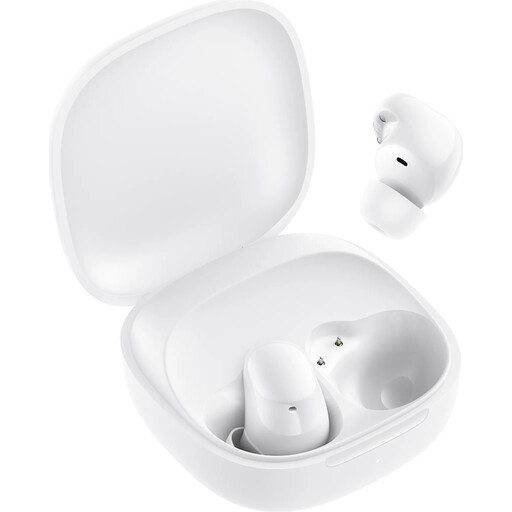
Why this product suits this profile: For music, commuting and occasional phone calls, this model offers Bluetooth 5.4, 10 mm drivers and a charging case with up to 36 hours of stated total battery life.
The product details list total battery life, driver size and fast charging separately. The AI noise reduction refers to phone calls, not ANC when listening to music.
Bluetooth 5.4, a USB-C charging case, four EQ settings and up to three hours of playback after ten minutes of fast charging, according to the product description.
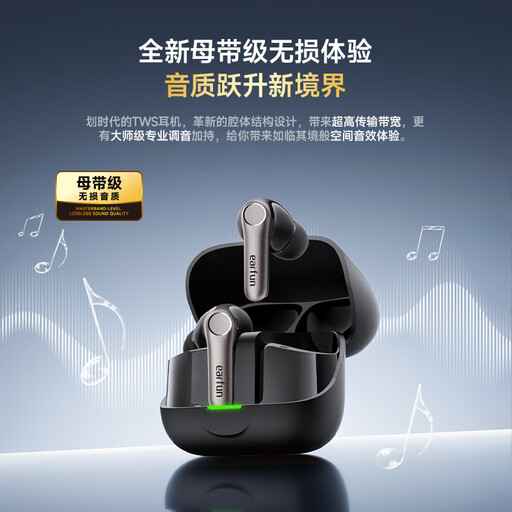
Why this product suits this profile: For discerning music listeners and commuters, this model combines Hi-Res support, adaptive noise cancellation and Multipoint connectivity.
The stated battery life of up to 54 hours applies with the charging case and without ANC. The product description therefore highlights the conditions behind the maximum figure.
LDAC, aptX Lossless and LC3, Bluetooth 6.0, six microphones, IP55 and ten minutes of fast charging for up to three hours of playback, according to the manufacturer’s specifications.
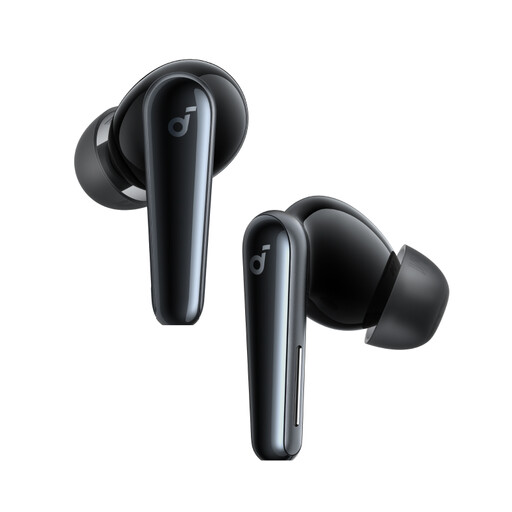
Why this product suits this profile: For long commutes, office use and phone calls, adaptive ANC functions, LDAC and a six-microphone system are valuable features.
The specifications distinguish between Bluetooth, the USB-C charging case, microphone technology and noise cancellation. This makes it easier to assess the features according to your actual intended use.
Dolby Audio, LDAC, adaptive ANC and six microphones according to the product description; the case supports USB-C and each earbud weighs 5,3 g.
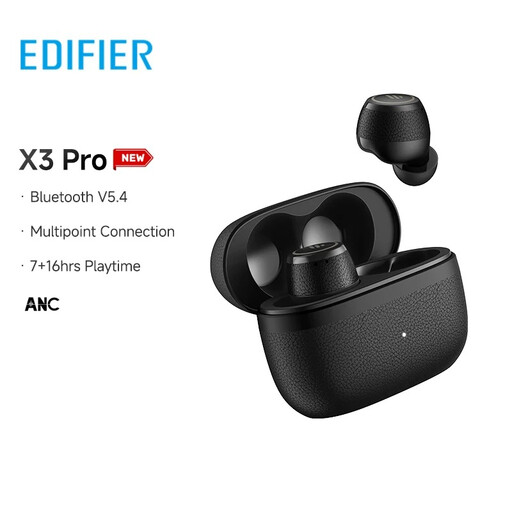
Why this product suits this profile: This model is aimed at users who value Multipoint, a lightweight design and protection against dust and splashes during training.
The IP54 rating and cleaning guidance make it clear that sweat and everyday splashes are not the same as submersion or swimming.
Bluetooth 5.4, Multipoint, IP54 and touch controls according to the product description; the selection of ear tips helps provide a personalised fit.
We have put together a complete, regularly updated list of products that fully meet these strict selection criteria and the safety regulations applicable in the EU.
Their lifespan depends on battery wear, charging frequency, exposure to moisture and storage conditions. Lithium batteries lose capacity over time. Keeping the charging case dry, cleaning the contacts regularly and using a certified USB-C charger can help maintain reliable use. Products with swollen or damaged batteries should no longer be used.
ANC can be helpful with consistent low-frequency sounds such as train or engine noise. Its effectiveness depends on the fit, design and frequency of the noise. In traffic situations, you should consider transparency mode and remain aware of your surroundings. Extra care is required when cycling or crossing roads.
The electricity used for charging is low compared with other household appliances. Ongoing costs are more likely to come from replacement ear tips, charging cables or a future battery replacement. Before buying, check whether you already have USB-C accessories and whether spare parts or support are available for the model you choose.