
Lieferung heute & morgen

Qualitätsgarantie

Willkommens-Angebote freischalten: KOSTENLOSE Lieferung | Bis zu 80 % RABATT | Kostenlose 30-Tage-JoyPlus-Testphase
App herunterladen
Wireless in-ear headphones are part of everyday life for many people: on the train, in the office, while making calls, exercising or travelling. There’s a wide choice, from basic true wireless headphones to models with ANC, multipoint connectivity and app controls. At first glance, many options look similar. But it’s the technical details that matter, and these can easily get lost in product photos or brief marketing claims.
A claim such as “up to 36 hours” often refers to the combined battery life of the earbuds and charging case. The playback time per charge can be much lower. Volume, ANC, codec and phone calls can also affect actual battery life.
So, look for three separate figures:
Headphones with long battery life shouldn’t just quote a high combined figure; they should also clearly state how long they last per charge.
ANC, or active noise cancellation, processes ambient noise during playback. Microphone noise reduction for calls, on the other hand, focuses on the user’s voice to make it easier for the person on the other end to hear them. These are two different features.
When choosing in-ear headphones with ANC, also check whether they have a transparency or ambient sound mode. Being able to hear what’s going on around you can be important in traffic, when cycling or at railway stations. Noise cancellation shouldn’t be treated as a substitute for staying alert.
An IP rating describes protection against specific elements; it doesn’t mean you can use the product freely in water. IP55, for example, means protection against dust to a defined level and against water jets at limited pressure. It doesn’t mean the earbuds are suitable for swimming or showering.
For sports headphones, choose a protection rating that suits how you plan to use them. Sweat, splashes and rain present different challenges. Make sure charging ports are dry before charging.
Depending on the device, Bluetooth 5.4 headphones can offer an energy-efficient and stable connection. But the Bluetooth version alone doesn’t guarantee a particular sound quality or range. Supported profiles, codec compatibility and the phone or laptop you use all matter too.
According to the product specifications, the Baseus Bass EP10 Pro supports SBC, AAC and LDAC and has a communication range of up to 10 metres under suitable conditions. LDAC can enable higher-quality audio transmission with compatible devices, but actual use depends on your settings and source device.
Before you buy, check:
Closed in-ear models use silicone tips that partially seal the ear canal. This can improve passive noise isolation, but only if you choose the right size. Tips that are too small may feel loose, while oversized ones can cause pressure points.
Semi-in-ear and open-ear models sit less snugly in the ear canal. They’re a good choice if you want to hear sounds around you, but typically offer less isolation in noisy environments. An open-ear model isn’t automatically the best choice for train journeys or focused work in an open-plan office.
Multiple microphones, beamforming or AI-powered call processing can help with voice transmission in certain conditions. But the number of microphones alone doesn’t tell you how calls will sound in every environment.
If you make regular calls, these factors matter too:
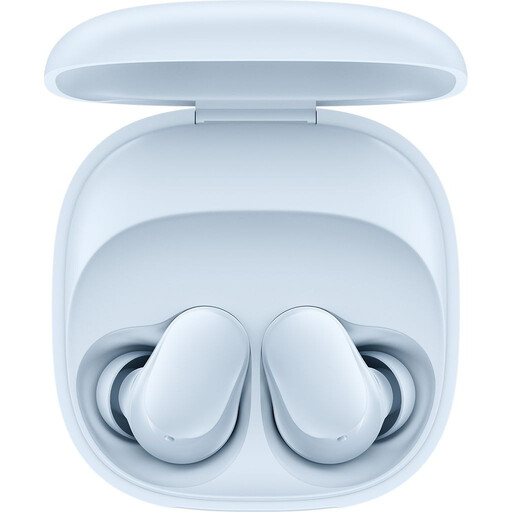
Why this product suits this profile: This model combines Bluetooth 5.4, a charging case and touch controls with a claimed total playback time of up to 36 hours. It’s suitable for music, podcasts, calls and your daily commute.
The product details list earbud playback time of up to 7.5 hours separately from the additional capacity of the case. This makes it easier to understand the combined figure.
10 mm dynamic drivers, a USB-C charging case, Bluetooth 5.4 and claimed fast charging that gives you up to 3 hours of playback from a 10-minute charge.

Why this product suits this profile: The Buds4 Pro are designed for users looking for ANC, multiple microphones, adjustable sound features and integration with a compatible Galaxy ecosystem.
The specifications give separate battery life figures for ANC on and off. They also clearly state the IP57 rating, six microphones and charging options via USB-C and Qi.
Two-way speaker system, ANC, 360 Audio, Bluetooth 6.1 and up to 7 hours of playback without ANC, according to the product details.

Why this product suits this profile: This model is designed for commuters, frequent callers and anyone looking to combine ANC, multiple audio codecs and longer playback per charge in an in-ear design.
The manufacturer’s specifications distinguish between ANC, ambient and standard modes. They also state 11 hours of listening at 50 per cent volume and IP55 protection against water splashes.
Adaptive hybrid ANC with claimed noise reduction of up to 50 dB, LDAC support, six microphones and a USB-C charging port.
We’ve put together a complete, regularly updated list of products that meet these strict selection criteria and fully comply with the safety regulations in force in the EU.
Battery life depends on charging cycles, temperature, volume and care. Lithium-ion batteries lose capacity over time. Don’t leave your earbuds and charging case in excessive heat for long periods, and use suitable certified chargers. Batteries are usually built in and aren’t designed to be replaced by the user.
ANC can reduce outside noise. Don’t use it in traffic, while cycling or when crossing roads if it makes warning signals harder to hear. An ambient mode can help you stay aware of your surroundings, but it doesn’t replace the need to pay attention.
The energy used by individual TWS earbuds is low in everyday use. Most of the cost comes from regularly charging the case. More important than small differences in energy use are a suitable battery, a durable charging case and a USB-C port that works with chargers you already own.