
Lieferung heute & morgen

Qualitätsgarantie

Willkommens-Angebote freischalten: KOSTENLOSE Lieferung | Bis zu 80 % RABATT | Kostenlose 30-Tage-JoyPlus-Testphase
App herunterladen
A karaoke system with two microphones is the heart of many great parties, family gatherings, or relaxed evenings with friends. But the market is crowded and full of technical promises that don't always deliver. Before you make a decision, it's crucial to understand the common pitfalls that often only become apparent after the purchase. This guide will help you separate the good from the bad and find a system that truly meets your needs.
Many buyers are swayed by marketing buzzwords that mean little in practice. Pay close attention to these three points to avoid disappointment.
To make the right choice, focus on the following technical features. They are the primary determinants of your system's functionality and longevity.
Two microphones are essential for duets and group performances. The wireless technology is critical here:
A portable PA system with a battery offers maximum flexibility for use in the garden, at the park, or at a friend's house.
A versatile karaoke machine adapts to your needs.
Based on the criteria above, we have identified a few models that are well-suited for different user profiles.
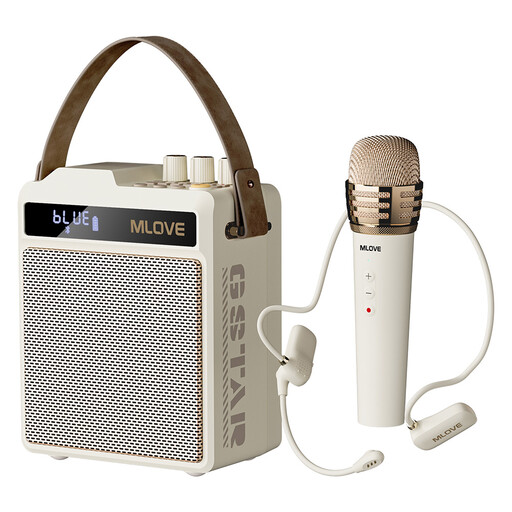
Why This Fits Their Persona: This compact system is ideal for a straightforward start. It includes both a wireless handheld microphone and a headset microphone, making it highly versatile for presentations, family fun, or hands-free performances.
It bypasses the problem of unstable microphones by providing a complete, matched wireless system with two different mic types. The connectivity is also comprehensive, with Bluetooth, USB, TF card, and AUX inputs.
The combination of a handheld and headset microphone in one package is a unique selling point in this class. Its light weight and USB-C fast charging make it extremely portable.
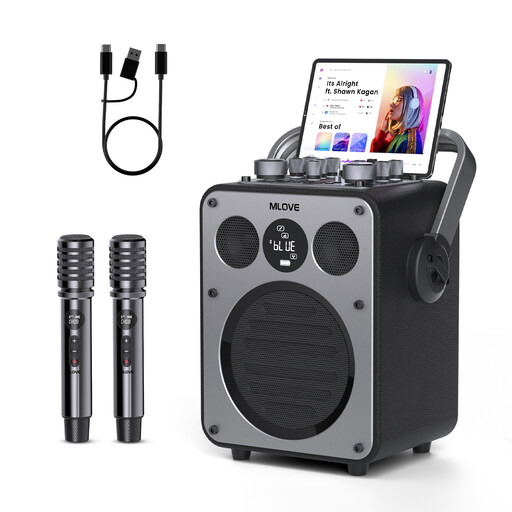
Why This Fits Their Persona: For ambitious singers and amateur musicians looking for a powerful all-in-one solution. This model serves as a **karaoke machine for adults** and a compact instrument amplifier at the same time.
Instead of advertising an empty wattage number, this system delivers tangible audio performance with a 5-inch subwoofer and separate controls for bass, treble, reverb, and gain. The two UHF microphones with selectable frequencies ensure a stable connection.
The professional-level controls for microphones and instruments on separate channels, along with EQ modes for indoor and outdoor use, allow for precise sound customisation.

Why This Fits Their Persona: For users who value brand quality, extreme durability, and long battery life. This combination of the powerful, waterproof speaker and the matching wireless dual-microphone set from Sony creates a high-quality, modular system.
This solution avoids the compromise between speaker and microphone quality. Both components are specialised and perfectly matched. The speaker's IP67 rating also eliminates any concerns about outdoor use in any weather.
The extreme battery life of up to 30 hours and the speaker's IP67 water and dustproof rating are outstanding in this combination. The microphone set is specially optimised for Sony speakers.
We've compiled a complete, up-to-date list of products that fully meet these strict selection criteria and safety regulations.
The most common method is to connect via Bluetooth or an AUX cable. You can play karaoke videos on YouTube or through dedicated apps on your smart TV, tablet, or laptop and send the audio to the karaoke system. The lyrics will then be displayed on your device's screen, while the sound is played through the system's more powerful speakers.
The lines are often blurred. A classic karaoke machine focuses on vocal features like echo, separate microphone volume, and sound controls. A party speaker with a microphone often prioritises maximum volume, powerful bass, and light effects for a party atmosphere. Modern devices are frequently hybrids that combine both functions as a portable PA system with a battery.
For private parties at home or in your garden, no license is required. However, as soon as an event becomes public (e.g., in a bar, at a street festival, or a commercial event), public performance licensing fees must generally be paid. This is the responsibility of the event organiser, not the device owner.