
Lieferung heute & morgen

Qualitätsgarantie

Willkommens-Angebote freischalten: KOSTENLOSE Lieferung | Bis zu 80 % RABATT | Kostenlose 30-Tage-JoyPlus-Testphase
App herunterladen
The right lighting can transform a balcony, patio, or garden into an atmospheric oasis. Installing wireless outdoor lights promises maximum flexibility without complex electrical work. However, the market is flooded with products whose promises often fall short in practice. Before you invest, it's crucial to understand the common pitfalls that lead to disappointment and unnecessary expense.
As your Joybuy Product Recommendation Officer, I'm here to help you separate marketing hype from solid facts. This guide will show you what to look for to find a durable and functional lighting solution.
Many products look appealing at first glance but reveal their weaknesses after just a few weeks of use. Pay special attention to these three points:
To make an informed decision, focus on verifiable technical specifications rather than advertising promises.
The choice of energy source is the most fundamental decision and depends on your location and usage habits.
The IP (Ingress Protection) rating is an international standard that indicates how well an enclosure is protected against the ingress of foreign objects (first digit) and water (second digit).
Modern wireless outdoor lights offer a variety of functions that can significantly enhance user convenience.
Here are some recommendations tailored to specific needs that meet the quality criteria mentioned above.
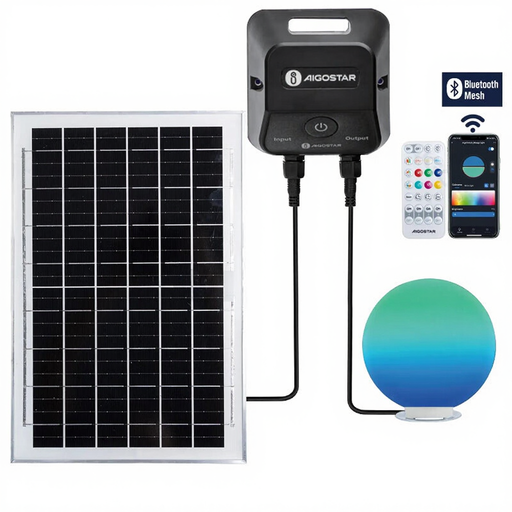
Why This Fits Their Persona: Ideal for users who want to design their garden with synchronised lighting scenes. The Bluetooth Mesh technology allows for the control of over 200 lights via an app, while the solar function ensures energy self-sufficiency.
Avoids the trap of low-quality solar technology by using a separate, powerful 12W monocrystalline panel and a large 8000mAh battery. The high IP65 rating ensures true weather resistance.
Bluetooth Mesh Network: Stable control of many lights. RGBCCT Function: Full control over colours and white tones (2700K-6500K).
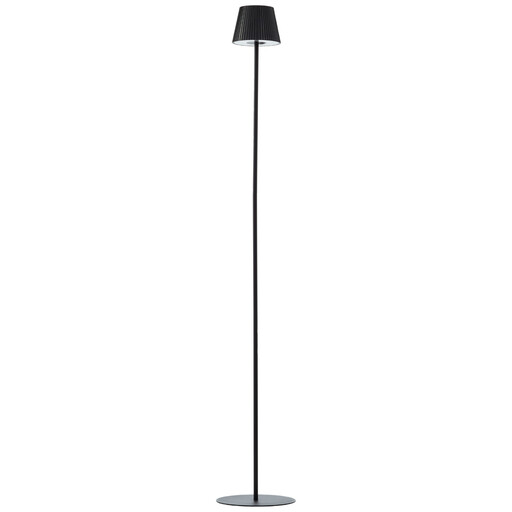
Why This Fits Their Persona: This elegant LED outdoor floor lamp blends seamlessly into modern patios and balconies with its minimalist design. The simple operation via a touch dimmer and the wireless battery operation offer maximum convenience.
Avoids the trap of poor weather resistance with a solid IP54 rating, which provides protection against dust and splashing water. The integrated battery delivers reliable power without depending on the sun.
3-Stage Touch Dimmer: Intuitive brightness adjustment. Warm White Light (3000 K): Creates a cosy atmosphere. USB Rechargeable: Flexible and reliable power supply.
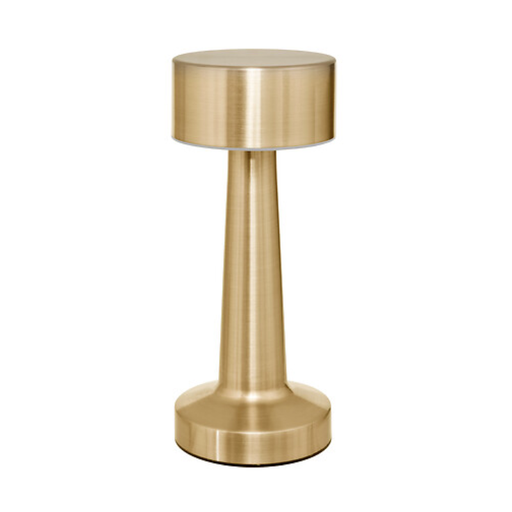
Why This Fits Their Persona: Perfect for anyone looking for a small, portable, and stylish light source for various occasions. Whether as a table lamp during an outdoor dinner or as an accent light on the balcony, this lamp is extremely versatile.
Avoids the trap of unrealistic battery life by using a replaceable standard lithium-ion battery (type 18650). This ensures a transparent and reliable power supply for a compact light.
Compact and Portable: Easy to transport at just 21.5 cm high and 270 g. Elegant Design: The golden steel finish adds a modern, decorative accent.
We have compiled a complete, up-to-date list of products that fully meet these strict selection criteria and UK safety regulations.
The actual lighting duration depends on the battery capacity (in mAh), the set brightness, and the ambient temperature. A high-quality battery-powered outdoor light with a capacity of 4000 mAh or more can often provide 8 to 24 hours of light at moderate brightness. Always check the manufacturer's specifications and compare battery capacities to get a realistic estimate.
Their performance is reduced in winter due to shorter days and a lower sun angle, but they are not necessarily useless. Models with high-efficiency monocrystalline solar panels and large batteries can still store enough energy for a few hours of light per night, even in winter. For guaranteed reliable lighting during the darker months, a pure battery-powered light or a hybrid model with an additional USB charging option is the safer choice.
This depends on the exact location. For a light that stands unprotected on a lawn or in a flowerbed and is exposed to heavy rain, an IP65 rating is recommended. For lights on a covered patio or balcony, IP54 is generally sufficient. Ensure that any claim of being "weatherproof" is backed by a specific IP certification.