
Lieferung heute & morgen

Qualitätsgarantie

Willkommens-Angebote freischalten: KOSTENLOSE Lieferung | Bis zu 80 % RABATT | Kostenlose 30-Tage-JoyPlus-Testphase
App herunterladen
If you’re looking for women’s hiking boots for long walks, camping or challenging terrain, don’t rely solely on terms such as “outdoor”, “all-terrain” or “waterproof”. What matters is whether the construction, materials and fastening system are suited to how you’ll actually use them. Even a boot that looks rugged can have shortcomings in wet conditions, on loose stones or on long descents.
A deeply treaded sole can be an advantage on wet rock, loose gravel or mud. However, actual grip also depends on the rubber compound, tread pattern and sole stiffness. On slippery paths, non-slip hiking boots with deep, clearly separated lugs are usually more practical than styles with a shallow leisure-shoe tread.
For waterproof hiking boots, the product description should give as much detail as possible about the membrane, upper material and seam construction. A water-repellent finish isn’t the same as a waterproof construction. Water can also get in from above if the boot has a low collar or your trousers don’t cover it.
Boots that are too small can put pressure on your toes, especially on descents. Boots that are too large can slip around the heel and cause blisters. With women’s high-cut hiking boots, it’s also important that the collar provides support without unnecessarily restricting ankle movement.
Look for the following features:
Flexible women’s outdoor shoes may be enough for easy woodland paths. For hiking boots designed for challenging terrain, a more pronounced tread and a less flexible construction are a sensible choice.
Women’s hiking boots with a higher collar can provide extra support around the ankle. A reinforced toe area helps protect against knocks from stones and roots. When choosing women’s trekking boots, you should also check whether the upper is described as abrasion-resistant.
Synthetic materials can be easy to care for and relatively lightweight. A waterproof membrane can improve weather protection, but it often reduces breathability compared with open mesh designs. Breathable hiking boots may feel more comfortable on warm, dry walks; waterproof styles may be better suited to wet paths and changeable weather.
Hiking boots with a quick fastening system are easy to adjust on the go. One-handed operation can be particularly useful when you’re wearing gloves. What matters most, though, is whether the lacing holds your foot securely all the way round, rather than simply tightening the upper collar.
It’s best to measure your foot length in the afternoon, wearing the hiking socks you plan to use. For the PELLIOT models featured here, for example, 240 mm corresponds to EU size 38 and 245 mm to EU size 39. If your measurement falls between two sizes, the product information recommends choosing the larger option. Also check the fit across the width of your foot and the returns policy.
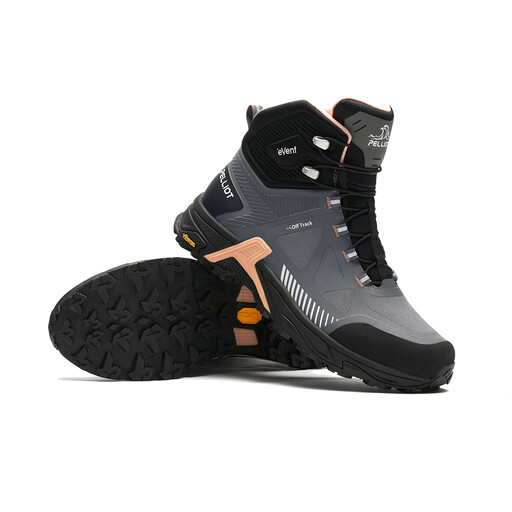
Why this product suits this type of walker: The EU 38 version is designed for anyone looking for a higher-cut hiking boot for camping, travel and regular day walks. The stated foot length is 240 mm.
The product details specify a treaded rubber sole, reinforced toe area and waterproof membrane. This makes the key construction features clear.
A high-cut collar, abrasion-resistant synthetic material, toe protection and a Fitgo quick-lacing system with one-handed operation, according to the product description.
Why this product suits this type of walker: The larger version, with a stated foot length of 245 mm, may be a good option for longer walks with thicker hiking socks or if your measurement falls between two sizes.
The size options are linked to specific foot lengths, making it easier to choose than relying on EU sizes alone.
A high-grip treaded sole, protective toe cap, abrasion-resistant upper and, according to the product information, a waterproof, breathable membrane.
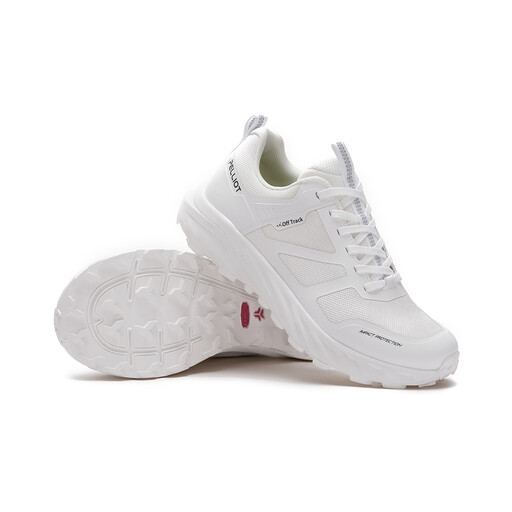
Why this product suits this type of walker: For easy walks, travel and switching between roads and simple paths, a low-cut, lightweight shoe can be more practical than a high-cut trekking boot.
The product description distinguishes between a standard and a narrow fit, making it easier to choose a shoe that suits your foot shape.
Sandwich mesh and fabric, an EVA midsole and a ROCKYTEC rubber outsole are listed as key construction features.
After your walk, remove any heavy dirt with a soft brush or damp cloth. For PELLIOT hiking boots, cleaning with mild soapy water and air-drying are recommended. Direct heat, tumble dryers and machine washing can damage the materials, adhesives or membranes.
How long your boots last depends on the terrain, how often you wear them, your body weight, care and storage. Check the sole lugs, seams and toe area regularly. Noticeably worn tread or a sole that’s coming away are signs that you should no longer rely on the boots for challenging routes.
We’ve put together a complete, regularly updated list of products that meet these strict selection criteria and fully comply with the safety regulations in force in the EU.
Styles with an explicitly stated waterproof membrane, a closed upper and a higher collar may be better suited to wet paths. Still, check the points where the upper meets the collar, and wear suitable hiking socks.
Your toes shouldn’t touch the front of the boots, even when your feet slide forwards as you walk downhill. Your heel should lift only slightly as you walk. The lacing or quick fastening system should hold your midfoot securely without creating pressure points.
High-cut hiking boots can offer more protection on loose stones, uneven terrain, when carrying a heavy rucksack or in changeable weather. For flat paths, travel and short walks, a lighter outdoor shoe with a lower collar is often enough.