
Lieferung heute & morgen

Qualitätsgarantie

Willkommens-Angebote freischalten: KOSTENLOSE Lieferung | Bis zu 80 % RABATT | Kostenlose 30-Tage-JoyPlus-Testphase
App herunterladen
Women’s hiking boots in the UK often need to tick several boxes: they should be comfortable on woodland paths, offer reliable grip in changeable weather, and be suitable for travel, camping or everyday wear. However, the label alone doesn’t tell you much about how they’ll actually perform. A lightweight shoe may lack stability on loose stones, while a tall hiking boot can feel unnecessarily heavy on short strolls.
“Waterproof” can refer to a membrane, a coating, or certain product conditions. What really matters is whether the description mentions a waterproof membrane, sealed seams, or simply a water-repellent upper. For longer treks through wet grass and mud, waterproof hiking boots with a documented membrane are a better bet than a model that only boasts a water-resistant surface.
Important: Even a boot with a membrane remains vulnerable to water ingress around the opening, tongue and seams. For summer hikes, a breathable shoe without a membrane can be more comfortable.
A prominent outsole isn’t automatically suited to every type of terrain. Women’s hiking shoes are often designed for gentle walks and maintained paths. Women’s trekking boots or robust hiking boots usually offer more protection and stability, but can feel less flexible on flat ground.
For trail running, on the other hand, low weight, agility and a grippy outsole are key. Lightweight trail running shoes aren’t automatically suitable for heavy packs or long alpine stages.
EU sizes vary depending on the last shape and manufacturer. Measure both feet in the evening, wearing the hiking socks you intend to use. Go by the longer foot. Leave a little room in front of your toes for downhill sections, while your heel should slip as little as possible.
Also pay attention to:
With hiking boots that have a slip-resistant sole, the tread pattern should match your intended use. Deeper, spaced-out lugs can grip on soft ground. On smooth tarmac, however, a very aggressive tread can feel unnecessarily stiff. For wet rocks, roots and loose soil, the material, tread design and contact area all play a part.
A blanket claim like “suitable for all terrain” is no substitute for specific information about the outsole. Always check the product description and care instructions.
Mesh or sandwich fabrics can promote airflow and reduce weight. Synthetic reinforcements at the toe and sides can offer extra abrasion protection. A membrane improves weather protection, but in warm weather it can alter the climate inside the boot.
For changeable conditions, waterproof hiking boots are a good choice depending on your route. For dry summer days, travel or quick day hikes, breathable outdoor shoes for women can be more practical.
An EVA midsole is commonly used to keep the boot lightweight and provide underfoot cushioning. However, that alone doesn’t tell you about stability. With a heavy rucksack, uneven terrain or long descents, the shaft, heel hold and torsional rigidity are especially important.
For short walks and travel, a flexible hiking shoe is often sufficient. For more demanding routes, women’s trekking boots or tall hiking boots are a better option.
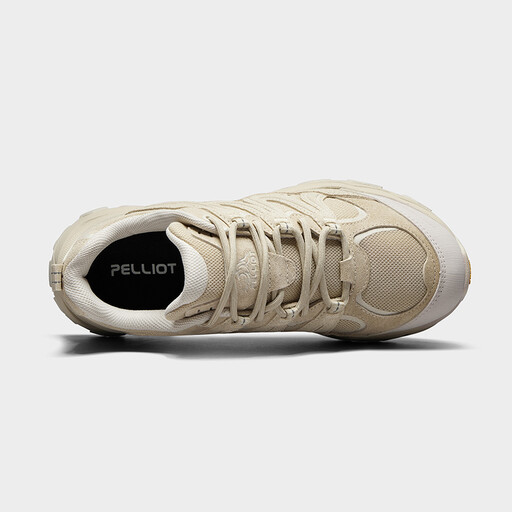
Why this product fits the profile: The fixed EU size 39 and low-cut design make it a good starting point for beginners looking for a straightforward shoe for footpaths, travel or light hikes. Check the fit against your foot length before buying.
Choosing by a specific size prevents you from buying based on colour or generic marketing claims alone. Always double-check the waterproofing and sole material on the product page.
Specific EU size 39 and low hiking shoe design for light outdoor use.
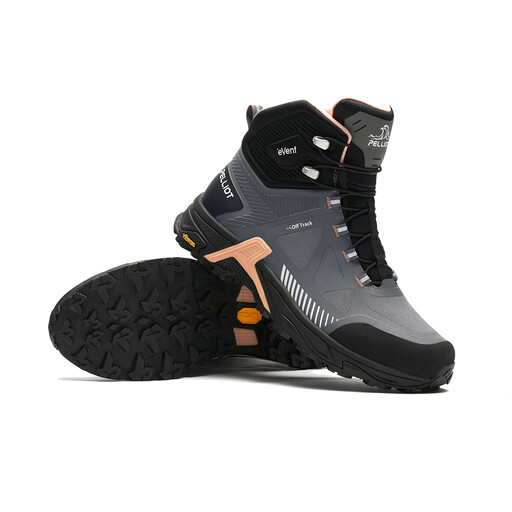
Why this product fits the profile: The high shaft, toe reinforcement, profiled rubber sole and, according to the product details, a waterproof membrane, appeal to shoppers planning camping, longer hikes and varied terrain.
The product details name specific components rather than just “outdoor” promises: waterproof membrane, toe protection, abrasion-resistant sole and quick-lace system.
High shaft, rubber outsole with tread and stated waterproof membrane; EU 38.
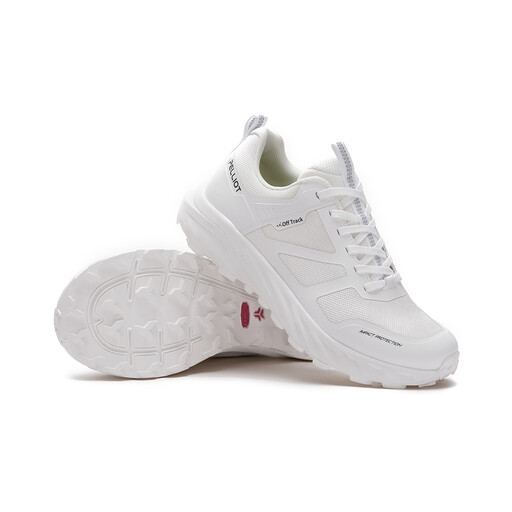
Why this product fits the profile: According to the product description, this model combines a lightweight sandwich mesh upper with an EVA midsole and ROCKYTEC rubber outsole. That makes it interesting for active people who switch between the city, park paths and light trail sections.
The material and sole details make the intended use clearer. For alpine trekking or consistently wet routes, you should still choose a hiking boot designed for that purpose.
Lightweight mesh, EVA midsole, ROCKYTEC rubber outsole and size EU 38.
We’ve put together a full, regularly updated list of products that meet these strict selection criteria and comply with EU safety regulations.
After a hike, boots should be left to dry completely, but not directly on a radiator. Once mud has dried, you can remove it with a soft brush. For boots with a membrane, follow the manufacturer’s care instructions to avoid putting unnecessary strain on the coating and glue points.
Check regularly for:
For the shower, swimming pool or campsite, comfortable EVA flip-flops, unisex sliders or specific water shoes are more practical than hiking boots. Depending on their construction, they dry faster and spare your walking boots.
For wet paths, models with an explicitly stated waterproof membrane and a good tread pattern are a suitable choice. Also check the shaft collar, tongue and care instructions. For short walks in light rain, a water-repellent model may be enough.
There should be a little room to move between your longest toe and the end of the boot, especially when walking downhill. Your foot shouldn’t slide forward. Try the boots on with the socks you’ll wear on the hike.
The lifespan depends on the terrain, weight, care, how often you wear them and the materials. A boot for occasional walks will be used differently from a trekking model on scree. The key signs are visible tread loss, damaged seams, reduced support and a sole that’s coming away – not just the boot’s age.