
Lieferung heute & morgen

Qualitätsgarantie

Willkommens-Angebote freischalten: KOSTENLOSE Lieferung | Bis zu 80 % RABATT | Kostenlose 30-Tage-JoyPlus-Testphase
App herunterladen
The search for PELLIOT women’s hiking shoes often starts with colour and price. For real-world use, however, fit, sole construction and weather protection matter far more. A shoe that looks sturdy in the product photo can still prove unsuitable on long routes if key details are missing or the size isn’t chosen correctly.
Labels like “outdoor”, “trekking” or “trail” don’t automatically define a shoe’s capabilities. Check whether there are clear specifications for tread pattern, upper material, fastening, cushioning and weather protection. If these details are missing, it’s hard to judge suitability for wet paths, scree or longer outings.
Likewise, don’t pick a “women’s waterproof hiking shoe” on the strength of the marketing copy alone. Look for an explicitly stated waterproof membrane, sealed seams or an equivalent manufacturer claim. Without such details, assume the shoe is intended for dry conditions.
Hiking shoes are often worn with thicker socks. Your toes also need a bit of room when walking downhill. A snug fit can cause pressure points, while a shoe that’s too loose can compromise stability.
Compare the following:
In the offers listed here, individual sizes such as 37, 38 or 39 are shown separately. So check the specific item before buying, not just the generic model image.
Women’s trail running shoes are usually built for low weight and dynamic movement. Women’s walking shoes (low-cut) are often suitable for park paths, easy hikes and everyday wear. Women’s trekking shoes are typically chosen for stability, protection and long-distance capability.
A high collar, stiff build or aggressive tread doesn’t automatically make sense for every activity. For tarmac and park paths, a lightweight outdoor shoe can be more comfortable than a rigid trekking shoe. For uneven forest trails, pay particular attention to tread, heel hold and toe protection.
Match the tread to the terrain. For well-made paths, a moderate tread often suffices. On damp woodland, gravel or rooty trails, pronounced lugs and a slip-resistant outsole are helpful selection criteria.
Also check whether the product description mentions sole hardness or material. A softer sole can feel comfortable when walking but may wear faster on hard ground. A firmer sole offers more protection from sharp stones, but can feel less flexible for trail running.
For women’s outdoor shoes, the material should match the use. Synthetic uppers are often easy to care for and, depending on the build, can dry relatively quickly. A membrane can enhance protection against moisture, but under certain conditions it can reduce breathability.
Look for a clear manufacturer description of:
If there’s no specific claim about waterproofing, don’t assume the shoe is waterproof just because it has an outdoor look.
The right fit reveals itself beyond a quick try-on. Wear the socks you intend to use and make sure your heel doesn’t lift markedly as you walk. Your toes shouldn’t hit the front. For online purchases, accurate foot measurement and checking the specific size chart help.
Colour can complement your choice: Women’s black hiking shoes are understated for everyday wear, while women’s khaki hiking shoes offer a classic outdoor look. Women’s blue–pink hiking shoes add a splash of colour. Colour, however, says nothing about grip, cushioning or weather protection.
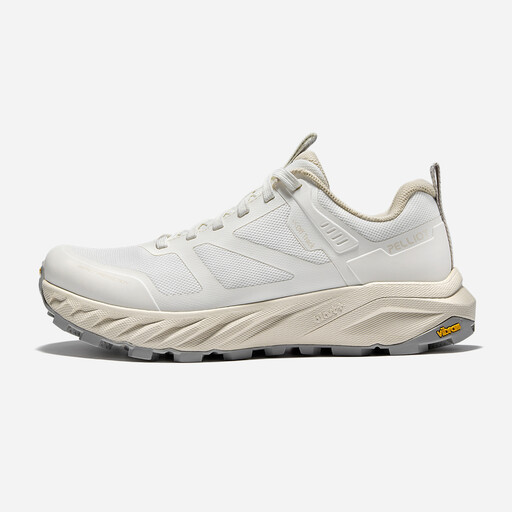
Why this product fits the profile: The trail running designation and the listed size 39 appeal to users seeking a shoe for light to moderate running and outdoor paths. The white colourway is clean and easy to pair with different outfits.
The specific model and size make comparison easier. Also review the details for tread, materials and weather protection rather than inferring these from the product name.
Trail running category, white colourway and available EU size 39.
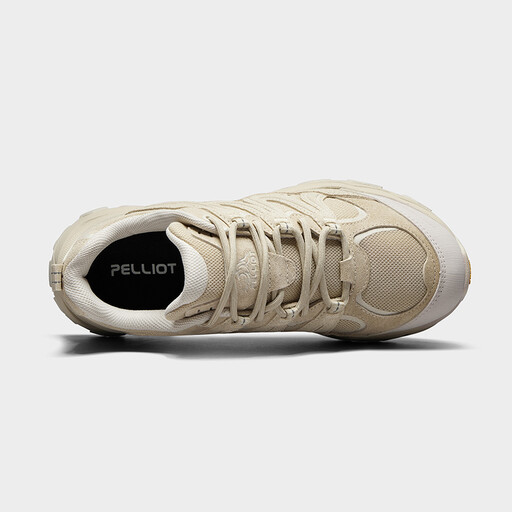
Why this product fits the profile: This khaki hiking shoe targets buyers who want to compare build, fit and intended use before purchasing. Size 38 is clearly indicated.
The product type is clearly named. Before buying, check the detail page for tread pattern, upper material, lining and any claims about weather protection.
Hiking category, khaki colourway and clearly stated EU size 38.
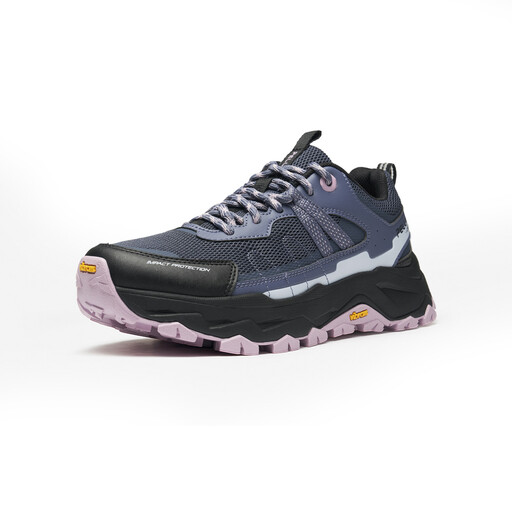
Why this product fits the profile: The blue–pink colourway makes them easy to distinguish when used frequently. The hiking model in size 39 may appeal to users looking for a clearly designated outdoor shoe for regular outings.
The choice isn’t based on looks alone: for frequent use, check fit, abrasion resistance, sole design and care instructions separately.
Hiking category, blue–pink colour blocking and available EU size 39.
We’ve compiled a complete, continuously updated list of products that fully meet these strict selection criteria and comply with EU safety regulations.
The lifespan of women’s hiking shoes depends on terrain, how often you wear them, body weight, care and storage. After a walk, remove heavy dirt with a soft brush. Let wet shoes dry slowly at room temperature. Direct heat from radiators can affect materials, adhesives or coatings.
Check regularly:
With frequent trail running, a shoe designed for that purpose may be subjected to greater stress than a model for occasional walks. Don’t replace shoes after a fixed period; replace them based on the actual condition of the sole, upper and fit.
That can only be judged from the specific product description. Check whether a waterproof membrane, sealed seams or a similar manufacturer claim is mentioned. The “outdoor” or “hiking” label alone isn’t proof of waterproofing.
Measure both feet in the evening wearing your intended socks. Then refer to the size chart for the specific listing. Fit and internal length can vary between models. When walking downhill, your toes shouldn’t hit the front, and your heel should slip as little as possible.
Models labelled trail running are generally closer to that use than classic hiking shoes. However, what really matters are the details on tread pattern, weight, cushioning, upper material and terrain. For technical trails or long distances, compare these features especially carefully before buying.