
Lieferung heute & morgen

Qualitätsgarantie

Willkommens-Angebote freischalten: KOSTENLOSE Lieferung | Bis zu 80 % RABATT | Kostenlose 30-Tage-JoyPlus-Testphase
App herunterladen
Women’s hiking shoes with heels combine a striking look with the appearance of classic outdoor footwear. They are particularly suitable for walks, leisure activities, easy trails and urban outdoor outfits. However, shoes with heels are not automatically suitable for demanding mountain hikes or slippery surfaces. The key is to check the product description, fit and intended use carefully.
Especially with women’s outdoor shoes with heels, certain typical marketing claims can lead to disappointing purchases. A fashionable silhouette, for example, says nothing about grip on wet surfaces. The term “Hiking” is not proof that a model is designed for long walks with a heavy backpack.
Black women’s hiking shoes may look like technical trekking models, even when important details about the tread, cushioning or weather protection are missing. Shoes with heels in particular should be assessed realistically for their intended use. The design may work well on paved paths, city walks and easy hikes. For rocky ground, steep descents or long distances, a flat, stable hiking shoe is usually more practical.
A heel changes the position of the foot and can affect the load placed on it while walking. The higher or narrower the heel, the more important a secure fit around the heel and a sufficiently broad base of support become. Product images can distort the actual proportions. For this reason, check any available measurements and customer information about the fit before buying.
A hiking shoe size 37, 38 or 39 can fit differently depending on the brand and the shape of your foot. Slightly thicker socks are often worn with outdoor shoes. At the same time, your foot must not slide forwards inside the shoe, particularly when there is a heel. So do not just check the EU size—also look for information about the width, inner length and recommended fit.
If you are looking for women’s hiking shoes size 37, women’s hiking shoes size 38 or women’s hiking shoes size 39, select the available option directly on the product page. Pay attention to the following points:
With a heeled model, it is also important to check whether your foot slides forwards inside the shoe. On longer walks, this can lead to uncomfortable pressure around the toes.
For light outdoor use, the outsole should have a clearly defined tread. However, the tread alone does not guarantee secure grip on every surface. Wet conditions, leaves, smooth stones and cobblestones can significantly affect traction.
Check the product description for information about tread design, sole material or slip-resistant properties. If these details are missing, the shoe should be viewed primarily as a fashionable leisure and everyday shoe. This applies particularly to black women’s hiking shoes, where the dark colour is often the main focus of the presentation.
Black women’s outdoor shoes are less likely to show visible dirt during everyday use, but they still require regular care. Clear information about the upper material, lining and cleaning method is important. A water-repellent finish is not the same as a permanently waterproof construction.
Look out for:
Without specific manufacturer information, product properties should not be assumed. The product page therefore remains the definitive source for details about the material, heel height and technical features.
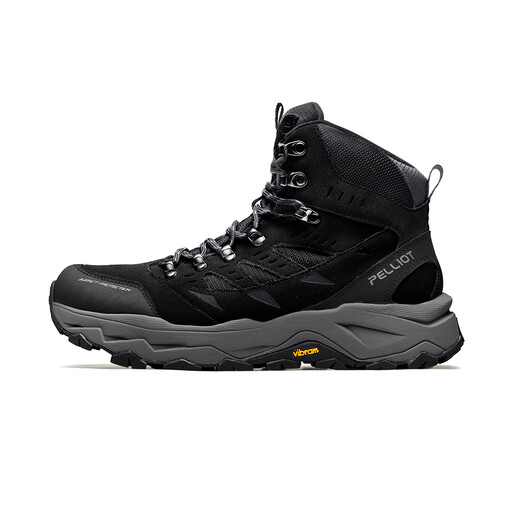
Why this product suits this profile: The black version in size 37 is aimed at shoppers looking for a fashionable outdoor look for everyday wear, walks and easy trails.
The specific size option makes choosing easier. Nevertheless, check the inner measurements, fit guidance and details about the heel and sole construction before buying.
Black colour and EU size 37 available according to the product name; suitable for combining leisurewear with an outdoor style.
Why this product suits this profile: Size 38 is a commonly requested standard size. This model may be appealing if design, size availability and a careful review of the product details are equally important.
The choice is not based on appearance alone: check the material, sole, fastening, heel dimensions and care instructions directly on the product page.
Black PELLIOT model in size 38 according to the product name; the product page allows you to check the specific features.
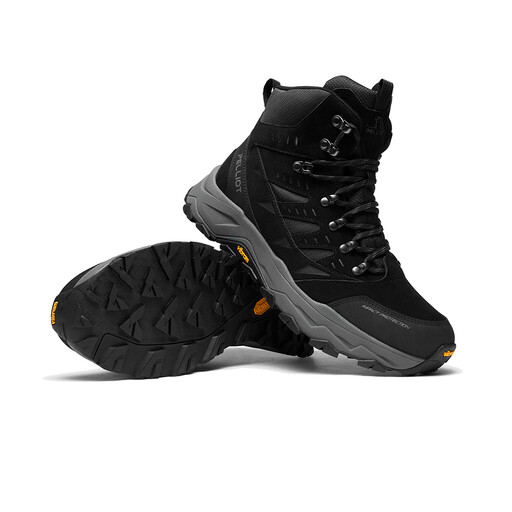
Why this product suits this profile: Size 39 may appeal to shoppers who need a little more room, provided that it matches their individual foot shape and the available fit information.
For frequent use, pay particular attention to the fit, care requirements and suitability for the intended surface. A heel is no substitute for a technical mountain-shoe construction.
Black PELLIOT version in size 39 according to the product name; suitable for leisure and light outdoor activities, provided that the product details match the intended use.
We have put together a complete, regularly updated list of products that fully meet these strict selection criteria and the safety regulations applicable in the EU.
To help black women’s outdoor shoes retain their shape, air them out after wearing and remove any coarse dirt. Wet shoes should not be placed directly on a radiator, as intense heat can damage materials and adhesive bonds. Use only care products that are suitable for the specific upper material.
For the first few outings, a short distance is recommended. This will help you establish whether the heel, toe area or heel itself causes any pressure points. On longer walks, also check whether the sole provides sufficient grip on the surface you are actually using.
That depends on the construction, fit, heel shape and surface. The term “Hiking” alone is not proof that a shoe is suitable for long or technically demanding walks. For easy trails and leisure activities, compare the product details with your intended use.
Measure both feet, preferably in the afternoon, and take into account the socks you intend to wear. Compare the result with the size chart for the specific product. With a heeled shoe, a secure heel fit is particularly important to prevent your foot from sliding forwards as you walk.
It is not possible to give a reliable fixed lifespan. It depends on how often they are used, your body weight, the surface, care and the material. Visible cracks, detached soles, heavily worn tread or reduced grip are practical reasons not to continue using a pair on outdoor trails.