
Lieferung heute & morgen

Qualitätsgarantie

Willkommens-Angebote freischalten: KOSTENLOSE Lieferung | Bis zu 80 % RABATT | Kostenlose 30-Tage-JoyPlus-Testphase
App herunterladen
Women’s hiking shoes need to meet very different requirements depending on how they are used. A shoe for maintained woodland paths has different demands from a model designed for scree, wet roots or trail running. If you are guided solely by terms such as “outdoor”, “high performance” or “slip-resistant”, you may overlook important details.
This buying guide from the Joybuy Product Recommendation Officer explains which details are genuinely relevant before buying women’s hiking shoes, women’s trekking shoes and other women’s outdoor shoes.
A heavily coated or fully enclosed upper can make it harder for water to get in. At the same time, air circulation may be lower than with an open mesh upper. On warm days, during longer walks and on active outings, breathable hiking shoes with sandwich mesh or fabric may feel more comfortable.
That is why it is important to check the specific material details. Terms such as “water-friendly”, “water-repellent” and “waterproof” do not mean the same thing. Where product information is available, you should also check whether the shoe uses a membrane, TPU reinforcement or an unlined upper.
A grippy tread can be helpful on mud, loose sand or damp rocks. However, the description slip-resistant hiking shoes alone says little about how the shoe will perform on every surface. Important factors include the tread pattern, rubber compound, sole width and intended use.
An outsole designed for maintained paths will not necessarily be suitable for wet rocks. If you regularly walk on changing surfaces, read the outsole description and the manufacturer’s guidance carefully.
With hiking shoes, foot length, foot width, toe room and the socks you wear all play a part. An EU size 38 can fit differently depending on the last and the manufacturer. On longer descents, your toes should not press against the front of the shoe; at the same time, your heel should not slip noticeably as you walk.
The available variants of the PELLIOT Running Shoes Unisex Lightweight Cushioning include specific foot-length measurements: EU 37 corresponds to 235 mm, EU 38 to 240 mm and EU 39 to 245 mm. These measurements are a guide and should be checked against your own foot measurements and the size chart on the product page.
For light hikes, travel and everyday wear, lightweight hiking shoes with mesh or fabric sections are often practical. A sandwich-mesh upper can support air circulation. An additional TPU film can reinforce certain areas, but may affect ventilation.
Abrasion resistance is important on more demanding routes. Contact with branches and rocks puts more strain on the upper than a walk on tarmac. Look out for details about reinforcements, stitching and care requirements.
An EVA midsole is often used to keep weight down while providing a degree of cushioning. However, this alone does not prove that a shoe is suitable for every foot shape or type of terrain. Check whether the shoe is intended mainly for roads, woodland paths, trail running or uneven ground.
For longer outings, secure heel hold and a sufficiently stable construction are also important. A very soft shoe may feel quite different on uneven ground from a firm trekking shoe.
With women’s trail-running shoes, the outsole should suit the surface. A less pronounced tread is often sufficient for maintained paths. On muddy sections, wet rocks and loose ground, however, tread design and rubber compound are particularly important.
The PELLIOT Running Shoes product information refers to a ROCKYTEC rubber outsole. According to the product description, some versions may be available with a Vibram Megagrip sole. As this does not automatically apply to every variant, check the specific version carefully before buying.
A general note about standards: not every hiking shoe is personal protective equipment. EN ISO 20347 applies to occupational footwear and is not automatically a quality certificate for leisure shoes. When choosing everyday footwear, the most important factors are clear information about materials, fit, outsole and intended use.
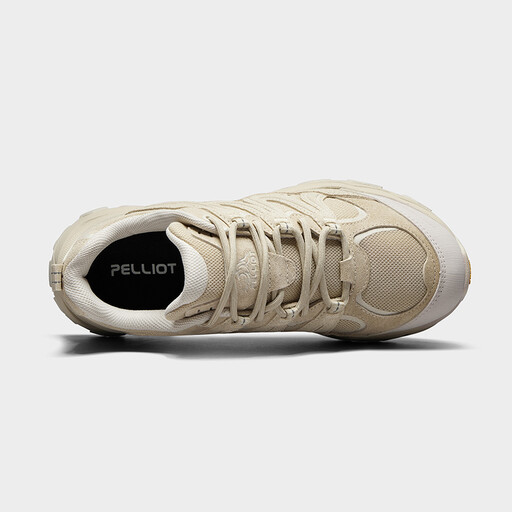
Why this product suits the profile: The EU 38 variant is aimed at women looking for a classic hiking shoe for walks, woodland paths and light outdoor activities.
The specific size and product variant are clearly stated. Even so, check your foot length, width and the returns policy before placing your order.
Clearly specified women’s model in EU 38, positioned for typical hiking and leisure use.
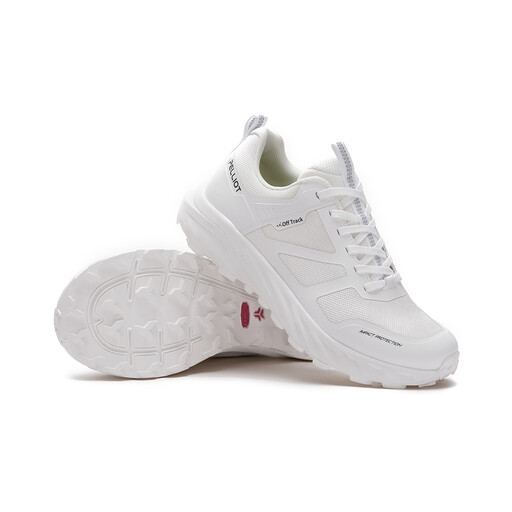
Why this product suits the profile: This model combines a lightweight fabric upper with an EVA midsole and a ROCKYTEC outsole, as described, for paths with changing surfaces.
The material and sole details are more specific than a purely promotional claim. Before buying, check that the particular version includes the components actually listed.
Sandwich mesh and fabric; EVA midsole; available sizes include EU 37 to EU 39.
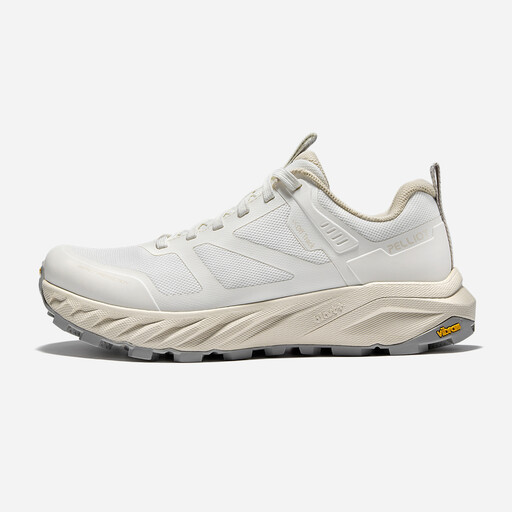
Why this product suits the profile: A trail-running model is a good choice for women who want to combine hikes with active runs on natural paths.
The trail-running designation indicates a more active intended use. For heavy rucksacks or alpine routes, a more supportive model should be considered instead.
Women’s model in EU 38, listed as a trail-running shoe for active use on natural paths.
Lifespan depends on mileage, terrain, body weight, care and storage. Without standardised conditions of use, it is not possible to give a reliable fixed number of months or kilometres.
Follow the care instructions on the product page. For the PELLIOT running shoe model described, these include hand-washing with mild soap and cold water, followed by air-drying away from direct heat. Shoes should be completely dry before you wear them again. A washing machine or tumble dryer can damage materials and adhesives, and may affect the shoe’s shape.
Depending on the model, you can choose from different fits and colour options in addition to hiking shoes in size 37, hiking shoes in size 38 and hiking shoes in size 39. If you switch between hiking, everyday wear and trail running, do not choose based on appearance alone. Compare the sole construction and upper material as well.
We have put together a complete, regularly updated list of products that fully meet these strict selection criteria and the safety regulations applicable in the EU.
Ideally, measure both feet at the end of the day while wearing the socks you plan to use for hiking. Compare the longer foot with the size chart for the specific model. EU 37, 38 or 39 does not guarantee the same internal length across all brands.
That depends on the terrain, your luggage and the fit. Lightweight models are often suitable for maintained paths, day trips and active pursuits. For steep, rocky routes or heavy rucksacks, a more supportive women’s trekking shoe may be the better choice.
The condition of the shoes, rather than a specific period of time, is what matters. Check for worn tread, cracks in the upper, detached areas of the sole and reduced heel hold. If there is visible damage or noticeably reduced support, do not continue using the model for demanding routes.