
Lieferung heute & morgen

Qualitätsgarantie

Willkommens-Angebote freischalten: KOSTENLOSE Lieferung | Bis zu 80 % RABATT | Kostenlose 30-Tage-JoyPlus-Testphase
App herunterladen
Women’s hiking shoes should provide secure support, fit your feet well and, depending on how you use them, cope with wet weather, dirt and longer distances. In practice, however, it is not eye-catching colours or sweeping advertising claims that lead to the right purchase, but verifiable details: fit, sole tread, materials and the intended use.
The term waterproof hiking shoes women sounds clear-cut, but it can mean different things depending on the product description. What matters is whether the listing specifies a membrane, sealed seams or simply a water-repellent upper. Without specific material or care information, a shoe should not automatically be considered suitable for prolonged rain, deep puddles or wet grass.
For short walks and dry woodland paths, lightweight hiking shoes may be sufficient. For longer routes in hilly areas, however, a fully enclosed upper and clear information about weather protection are advisable.
An outsole with a pronounced tread can be helpful on loose ground. On its own, however, it says little about cushioning, lateral support or comfort over long distances. Women’s trail running shoes are often lighter and more flexible than traditional hiking shoes. However, they may feel less stable when carrying a heavy pack or walking on very rocky ground.
A high-cut upper is not automatic protection against rolling your ankle, either. The fit, lacing system and freedom of movement must work well together.
Foot lengths vary, and sizing can differ between brands and models. When hiking, your toes need a little room to move, especially when walking downhill. Too little space can cause pressure points, while a shoe that is too loose can encourage rubbing and a lack of support.
Before buying, you should therefore check the EU size, the size chart for the specific listing and how you intend to use the shoes. Hiking socks should also be worn when trying them on.
For paved paths, parks and easy woodland routes, a moderate tread is often sufficient. On gravel, damp woodland floors or roots, an outsole with clearly defined tread blocks is more practical. Also look for a sufficiently broad contact area and a heel construction that does not slip as your foot rolls forwards.
Women’s low-cut hiking shoes offer freedom of movement and are practical for easy to moderately demanding routes. For more challenging paths, a higher-cut shoe can provide additional support, although this does not replace checking the individual fit.
Check whether the listing provides specific information about synthetic materials, mesh, leather, membranes or coatings. Mesh can help with ventilation, but it is not automatically waterproof. A water-repellent surface can make care easier, but it does not necessarily provide protection during prolonged rain.
If you are looking for women’s outdoor shoes for changeable conditions, you should also check the care instructions. Wet shoes should dry slowly at room temperature and should not be placed directly on a radiator.
Lightweight hiking shoes are comfortable for day trips and brisk walks. For long routes with a backpack, stability and controlled foot roll are more important than keeping the weight as low as possible. Shoes for outdoor activities should therefore be chosen according to how you will use them most often:
The following models cover a range of situations. Available sizes and variants should be checked directly on the relevant product page.
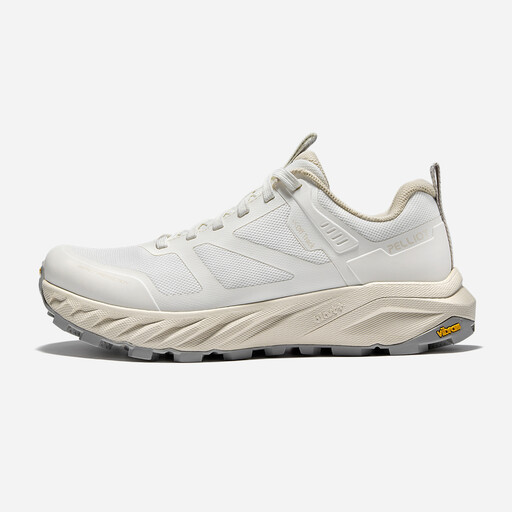
Why this product suits this profile: This white trail running model in EU size 38 is aimed at shoppers looking for a versatile shoe for light runs, walks and dry paths.
The clear product name identifies the shoe as a trail running model. Its waterproofing and usage limitations should be checked before purchase.
Trail running category and available EU size 38; light colourway for a sporty everyday look.
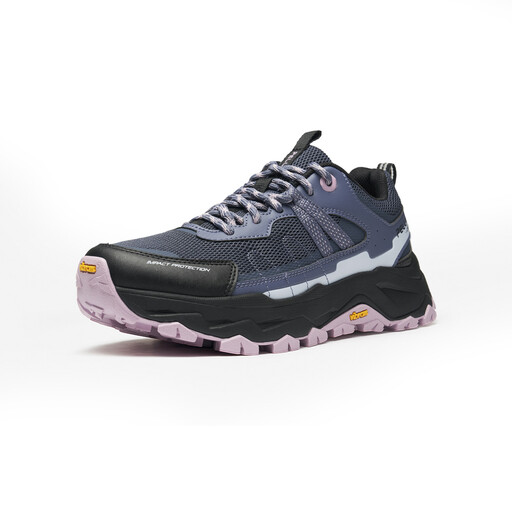
Why this product suits this profile: This navy blue and pink hiking version in EU size 39 is designed for users who prefer a dedicated hiking shoe for walks and tours.
Classifying it as a hiking shoe prevents a trail running model from being treated as suitable for every type of hike. The sole tread and weather protection should be checked in the listing details.
Categorised as a hiking shoe; available in EU size 39 with a high-contrast colourway.
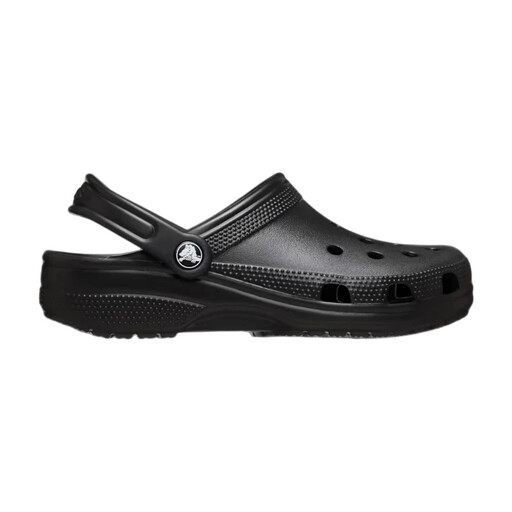
Why this product suits this profile: The black Crocs Classic Clog is designed for housework, gardening, everyday wear and short walks, rather than replacing supportive hiking shoes on demanding routes.
The open, lightweight clog construction is clearly distinguished from footwear intended for hiking. This reduces the risk of buying a leisure shoe for unsuitable terrain.
According to the product description, water-repellent Croslite material, ventilation openings and an adjustable heel strap; hand-wash care with mild soap.
We have put together a complete, regularly updated list of products that fully meet these strict selection criteria and the safety regulations applicable in the EU.
Comfortable women’s leisure shoes such as a Crocs Classic Clog are suitable for activities around the home, garden and leisure time. The lightweight, water-friendly material can be practical for everyday use. For longer hikes, however, a clog may lack the necessary fixation, cushioning and sole guidance, depending on the route.
Crocs platform clogs such as the Crocs Classic Platform Clog White Women complement the selection for leisure and everyday wear. The product description states that they have a raised 4,1 cm outsole and an adjustable strap. The additional height can alter the fit, so it is not automatically an advantage on uneven hiking paths. With this model too, you should check the size and secure fit before buying.
For easy woodland paths and day trips, women’s low-cut hiking shoes with the right size, a grippy tread and secure heel support are a sensible choice. For running training on natural paths, women’s trail running shoes may be more suitable. The right decision depends on the terrain, route length and amount of luggage.
Not necessarily. If you mainly walk on dry paths, in parks or around town, you may prefer a more breathable model that is not completely waterproof. If you regularly walk in the rain, check the material information, seams and care instructions. The term “water-repellent” does not mean permanently waterproof.
Their lifespan depends on how they are used, the terrain, body weight, care and storage. Clearly worn tread blocks, detached soles, cracks in the upper or permanently unstable heel support are signs that the shoes should be replaced. After every outing, shoes should be cleaned of dirt, dried slowly and stored in a dry place.