
Lieferung heute & morgen

Qualitätsgarantie

Willkommens-Angebote freischalten: KOSTENLOSE Lieferung | Bis zu 80 % RABATT | Kostenlose 30-Tage-JoyPlus-Testphase
App herunterladen
A good T-shirt is the foundation of countless outfits. Yet, the search for the right one can be more complicated than it seems. Many T-shirts lose their shape after just a few washes, prints fade, or the material feels unpleasant against the skin. This guide will help you navigate the common pitfalls of buying a women's T-shirt and make an informed decision.
When purchasing a new T-shirt, shoppers often face the same challenges. By understanding these issues, you can effectively avoid making a bad purchase.
To ensure your new T-shirt still looks great after multiple wears, you should pay attention to a few objective quality indicators.
The material is crucial for comfort and longevity. A basic women's T-shirt made of 100% cotton is breathable and skin-friendly. The quality of the cotton and the weave (e.g., single jersey) determine its softness and durability. A useful indicator is the fabric weight, measured in grams per square metre (g/m?).
For a women's sports T-shirt, on the other hand, performance fabrics like polyester or polyamide blends are advantageous as they effectively wick moisture away from the body and dry quickly.
The fit determines how a T-shirt sits and looks on the body. Common cuts include:
When choosing, pay attention to the manufacturer's specifications and size charts, as definitions of "Oversized" or "Regular" can vary between brands.
A look at the details reveals a lot about the quality. Double-stitched seams on the sleeves and hem are more stable and prevent fraying. A collar reinforced with neck tape holds its shape better and is less likely to stretch out. These features are often found on durable, branded women's T-shirts.
To make your decision easier, we have compiled a few models based on different needs and style preferences.
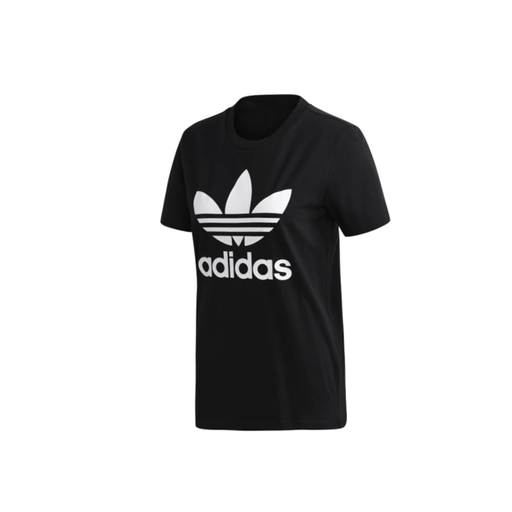
Why it's a great fit: This T-shirt is a classic that effortlessly integrates into various everyday looks. It combines a well-known design with high comfort, making it suitable for both leisure and a smart-casual style.
The high cotton content of 92% and the manufacturing standards of an established brand like adidas counteract the typical loss of shape and quality defects.
Iconic Trefoil logo as a design element. Soft material for comfortable all-day wear.

Why it's a great fit: This shirt specifically caters to the demand for a fashionable oversized look. The wide, long cut is ideal for relaxed pairings with leggings or skinny jeans and embodies a modern, urban style.
Made from 100% cotton in a single jersey quality, it provides a good foundation for shape retention and breathability, avoiding the trap of misleading material blends.
Clearly defined oversized cut for an authentic look. Soft material made from pure cotton.
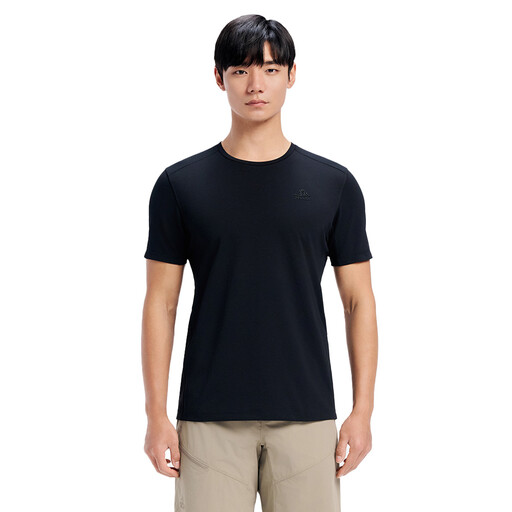
Why it's a great fit: This performance shirt is designed for athletic activities. It focuses on performance by wicking away sweat quickly and maintaining a dry feel even during intense exertion.
It avoids the pitfall of unsuitable materials for sports by using a special piqué fabric with an integrated moisture-wicking function, rather than simple cotton.
Effective moisture management for a dry feel. According to the manufacturer, the POLYGIENE technology inhibits odour-causing bacteria.
We have compiled a complete, up-to-date list of products that fully meet these strict selection criteria and UK safety regulations.
Pay attention to the fabric weight (a grammage of 180 g/m? or more is often a good sign), the feel of the fabric (it should feel soft and dense), and the construction. Check if the seams are clean and straight and if the collar is reinforced with a neck tape to prevent stretching.
An oversized cut is intentionally designed to be wider and longer than a regular T-shirt. It often features dropped shoulders, where the shoulder seam sits lower on the arm. It's advisable to consult the product description and size chart. Some shoppers choose their normal size for the intended baggy look, while others prefer to size down for a slightly less voluminous fit.
To maximise the lifespan of a print, you should turn the T-shirt inside out before washing. Use a gentle cycle with cold water (maximum 30°C) and a mild detergent. Avoid the tumble dryer, as the heat can damage the print. Instead, let it air dry and never iron directly over the print.