
Lieferung heute & morgen

Qualitätsgarantie

Willkommens-Angebote freischalten: KOSTENLOSE Lieferung | Bis zu 80 % RABATT | Kostenlose 30-Tage-JoyPlus-Testphase
App herunterladen
Whether it’s a day hike in the Peak District, a trekking holiday in the Alps or a camping weekend on the Norfolk coast, women’s walking boots need to suit the terrain you’ll actually be tackling. Many poor purchases happen not because of a lack of features, but because of unclear product descriptions, the wrong size choice, or a boot that simply isn’t suited to the intended ground.
If you only look at an eye-catching tread or the word “outdoor”, you can easily miss important details. The criteria below will help you objectively assess marketing claims and choose the right outdoor shoes for women.
The term “waterproof” describes a product feature, but it doesn’t replace a careful check of the construction. What really matters includes a waterproof membrane, sealed seams and a sufficiently high collar. In heavy rain, water can also enter through the opening or from above.
With waterproof walking boots for women, you should therefore check whether the product description explicitly mentions a membrane. Care is just as important: dirt, incorrect drying and prolonged storage while wet can damage the materials and adhesives.
A treaded sole can offer advantages on loose ground. However, actual grip also depends on the rubber compound, the lug pattern and the terrain. Wet rocks, mud, scree and dry forest paths all place different demands.
For slip-resistant walking boots, look for details about the outsole and the intended use. A blanket promise of grip on every surface isn’t realistic.
High-top walking boots can wrap around the ankle more firmly and offer extra protection from branches, scree or dirt. However, they are usually less breathable and can feel heavier on short strolls. Lightweight, low-cut shoes are often a better fit for paved paths and trips involving lots of walking.
For walking boots for difficult terrain, three details are especially relevant:
Don’t judge the sole by its looks alone. For city paths, travel and light walks, a flexible build can be more comfortable; for long trekking routes, protection and stability matter more.
An abrasion-resistant synthetic material can be tougher against branches and rocks than very thin fabrics. A reinforced toe cap reduces the risk of damage from stones. With a high collar, the top edge should sit comfortably without unnecessarily restricting movement.
Claims like “waterproof” should ideally be backed up by a specifically named membrane. If technical details are missing, the claim is hard to compare.
It’s best to measure your foot length in the afternoon, wearing your walking socks. If you’re between sizes or plan to wear thick socks, a larger size may be sensible. When walking downhill, you should have a little room in front of your toes, while your heel should slip as little as possible.
Also pay attention to:
EU sizing isn’t the same across all brands. A measurement in millimetres is therefore often more helpful than just looking at the number.
The following products have been matched to different everyday situations based on the available product information. Not every option is designed for challenging terrain. It’s this very distinction that prevents casual shoes from being mistaken for technical walking boots.
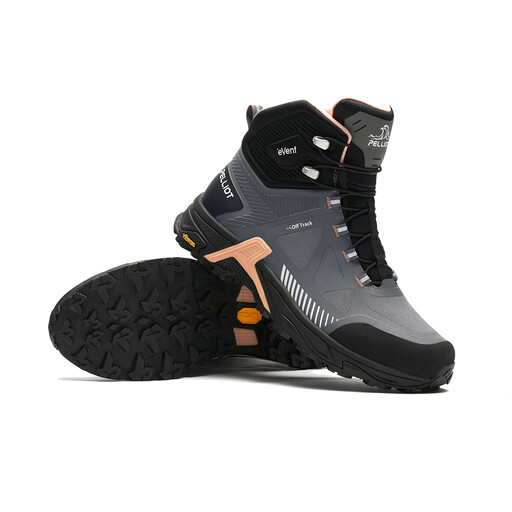
Why this product fits the profile: The high collar, protective toe cap and described waterproof membrane are aimed at trekking, camping and changing weather conditions.
The product details name specific construction elements such as a treaded rubber sole, a membrane and toe protection, rather than just generic outdoor terms.
According to the product description: high-top collar, abrasion-resistant synthetic material, waterproof membrane and rubber sole with a pronounced tread.
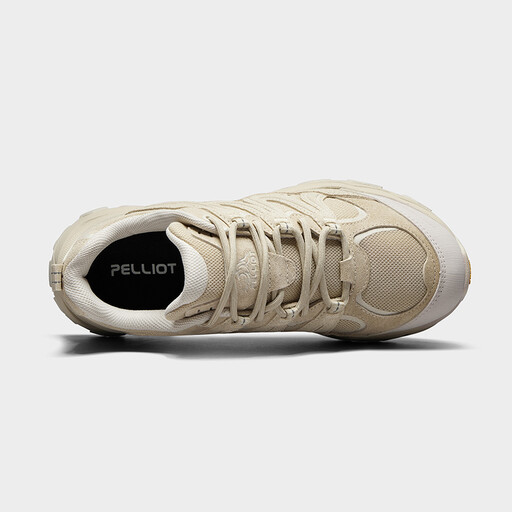
Why this product fits the profile: The lower-cut shoe style could be of interest for light walks, strolls and travel, provided the fit and sole details match your planned terrain.
Before buying, check the specific details in the listing for tread, material, water protection and sizing. Do not assume it is suitable for challenging terrain without checking.
Low-cut walking shoe design and available size EU 37. Suitability should be checked against the full product details.

Why this product fits the profile: As a complement to walking boots, these trousers are suitable for yoga, travel, everyday wear and light sporting activities. The 4-way stretch and two deep side pockets are specifically mentioned.
The fit isn’t judged by the cut alone: your height, inside leg measurement and desired range of movement should all be checked before ordering.
87 % polyester and 13 % elastane, 4-way stretch, moisture-wicking fabric description and two deep side pockets.
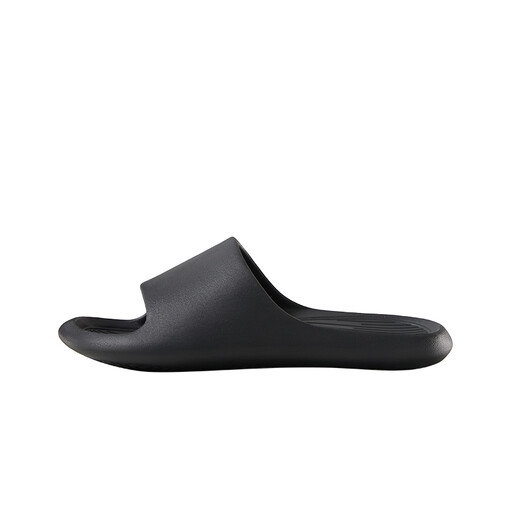
Why this product fits the profile: These EVA sliders are intended as a complement for camping, accommodation, the beach or everyday use, not as a replacement for technical women’s walking boots.
The clear categorisation prevents the typical mistake of using lightweight casual shoes on scree, wet paths or long trekking routes.
EVA construction, wide fit, textured footbed surface and lightweight design according to the product description.
After a walk, boots should be cleaned of dirt and dried at room temperature. Direct heat sources can damage adhesives, the upper material and membranes. For the PELLIOT models described, cleaning with a damp cloth and mild soap is recommended; machine washing and tumble drying are not intended.
How long your boots last depends on distance walked, body weight, terrain, care and storage. A noticeably worn tread, cracks, detached sole sections or reduced grip are reasons not to use the pair for demanding routes any longer.
We’ve put together a full, regularly updated list of products that fully meet these strict selection criteria and the safety regulations in force in the EU.
Models with an explicitly named waterproof membrane and protected construction are the best candidates. A suitable collar finish, careful care and limiting water ingress from above all remain important.
Your toes shouldn’t touch the front, even with walking socks on. At the same time, your heel shouldn’t lift noticeably when walking. If you’re unsure, measure your foot length and compare it with the relevant size chart.
That depends on the construction. A high, sturdy trekking boot can feel warm and less flexible on tarmac. For trips with varied terrain, a versatile walking boot is often more practical; for short city walks, comfortable women’s sliders may be enough.