
Lieferung heute & morgen

Qualitätsgarantie

Willkommens-Angebote freischalten: KOSTENLOSE Lieferung | Bis zu 80 % RABATT | Kostenlose 30-Tage-JoyPlus-Testphase
App herunterladen
A women’s winter jacket needs to meet several requirements during the British winter. It should keep you warm in cold weather, protect you from rain and wind, allow freedom of movement and suit your everyday routine or planned activity. However, many poor purchases are not caused by the price, but by unclear product information and an inaccurate assessment of where the jacket will be used.
A women’s jacket described as waterproof can offer varying levels of protection from precipitation, depending on its material, seams and fastenings. Key technical details include hydrostatic head, welded or taped seams and adjustable closures at the hood, cuffs and hem.
Without specific figures or explanations, it is difficult to assess the jacket’s actual performance. A wind- and water-repellent running jacket may be suitable for light rain, while stronger weather protection is advisable for camping and trekking.
A thick jacket is not automatically a warm women’s winter jacket. The insulation filling, inner lining and the space available for wearing a jumper or women’s fleece jacket underneath are equally important. For changing temperatures, a women’s 3-in-1 outdoor jacket may be more practical than a single heavily padded model.
A jacket may seem to fit well when you are standing still, but feel restrictive around the shoulders and arms when cycling, running or walking. So check the following:
For cold days spent going about your daily routine, a padded winter jacket with insulating wadding is suitable. During exercise, however, your body quickly generates additional heat. A breathable winter jacket with light insulation may therefore be more practical than a highly bulky model.
The layering principle offers greater flexibility:
With a 3-in-1 design, the inner jacket can be worn separately depending on the temperature. Look for compatible zips, sufficient freedom of movement and a clear size chart.
Calling a jacket a windproof women’s jacket is not very informative without further details. Relevant construction features include:
According to the manufacturer, the PELLIOT Fleece-Lined Jacket has a hydrostatic head of 35.900 mm H₂O according to JIS, breathability of 16.000 g/(m²·24 h) and abrasion resistance of over 40.000 cycles. Figures such as these should always be understood as manufacturer specifications and assessed against your own intended use. For your daily commute, these features may be more extensive than necessary, whereas they may be relevant for an outdoor jacket for camping and trekking.
Polyester is common in many winter jackets because it can retain its shape and be easy to care for. According to the product description, the main material of the ASICS WINTER RUN JACKET is 100% recycled polyester. The jacket also features light insulation, a polyester lining and wind- and water-repellent fabric.
Check the care instructions before buying. Gentle wash programmes, low temperatures and avoiding fabric softener can be important for technical materials. A jacket worn regularly for running should also be easy to clean.
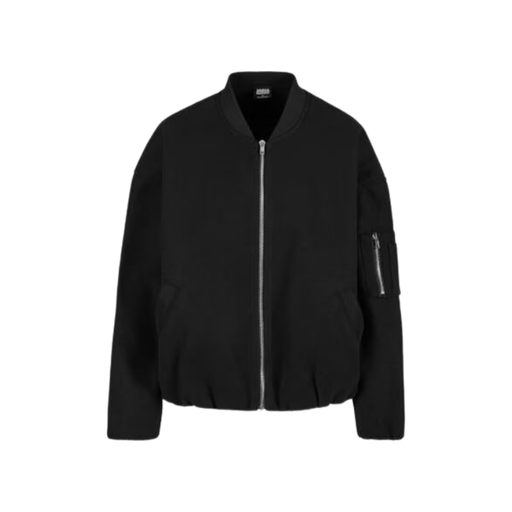
Why this product suits this profile: The bomber jacket cut is suitable for everyday wear, leisure time and mild winter days. It is an option for customers looking for an uncomplicated style who do not need a technical trekking jacket.
The product description clearly specifies the material, cut, pockets and care instructions. However, because the model is designed for the transitional season, it should not be treated as a waterproof women’s jacket.
100% polyester, relaxed fit, zip fastening, ribbed cuffs, two side pockets and a zipped sleeve pocket.
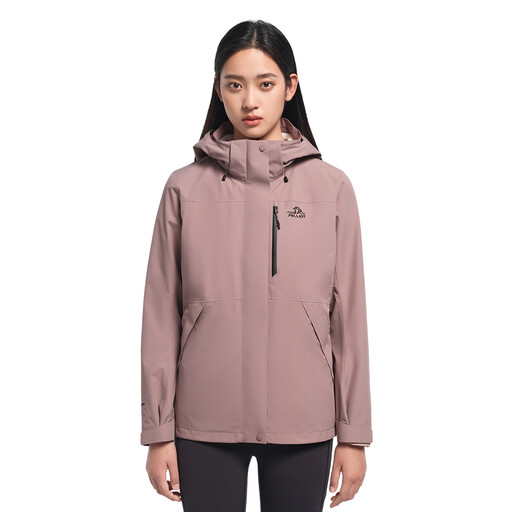
Why this product suits this profile: The combination of outer jacket and inner lining is aimed at users who want to adapt flexibly to different weather conditions when travelling, commuting and enjoying outdoor activities.
The jacket provides specific technical figures rather than using only general terms about weather protection. The size chart lists the outer and inner measurements separately, making it easier to choose the right size when wearing an additional layer.
According to the manufacturer, a 35.900 mm hydrostatic head, 16.000 g/(m²·24 h) breathability, over 40.000 abrasion cycles and a removable inner lining in a 3-in-1 system.
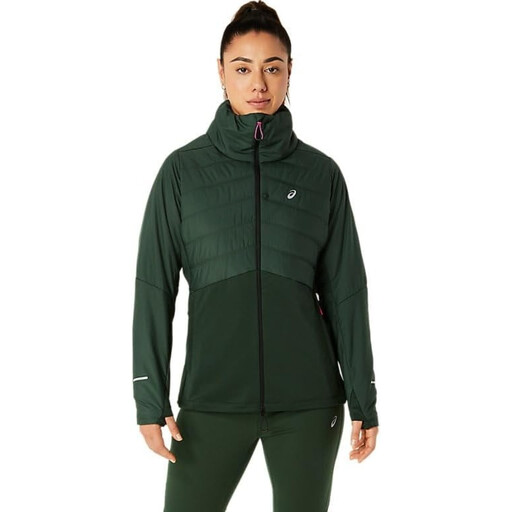
Why this product suits this profile: This jacket is designed for runners who train in temperatures below 5 °C and prefer low weight, freedom of movement and an ergonomic fit.
The description clearly limits its intended use to running in cold weather and light precipitation. This helps prevent a winter running jacket from being mistakenly used as a robust trekking jacket.
Light insulation, soft polyester lining, wind- and water-repellent thermal fabric, and main material made from 100% recycled polyester according to the product description.
We have put together a complete, regularly updated list of products that fully meet these strict selection criteria and the safety regulations applicable in the EU.
That depends on your activity, the wind and how warm or cold you personally feel. For low-intensity activities, good insulation and windproof closures are important. When running, a lighter, breathable winter jacket may feel more comfortable. Also check whether there is enough room for an additional layer underneath.
There is no fixed lifespan that applies in every case. It depends on how often the jacket is worn, friction, washing methods and the material. Abrasion-resistant outer fabrics can be beneficial for outdoor use. Check the zips, seams and coating regularly. Always follow the manufacturer’s care instructions.
Care is the main cost beyond the purchase price. Machine washing according to the manufacturer’s instructions is usually cheaper than professional cleaning. Technical jackets should not be washed unnecessarily at high temperatures or treated in a tumble dryer. If the water-repellent outer layer begins to lose its effectiveness, a suitable reproofing treatment may be required, depending on the material.