
Lieferung heute & morgen

Qualitätsgarantie

Willkommens-Angebote freischalten: KOSTENLOSE Lieferung | Bis zu 80 % RABATT | Kostenlose 30-Tage-JoyPlus-Testphase
App herunterladen
Outdated furniture, an unsightly door, or a bare wall can significantly detract from a room's overall aesthetic. However, a full renovation is often costly, labour-intensive, and not always feasible in rented properties where permanent changes are restricted. This is where wood-effect adhesive film offers a practical and flexible solution. It allows you to give surfaces a new look quickly and cost-effectively, without extensive prep work like sanding or painting.
This article serves as a guide. We will introduce various designs and provide you with objective criteria to help you find the right wood-effect furniture film for your specific project—whether you're modernising a chest of drawers, creating an accent wall, or upgrading cabinet doors.
To achieve a satisfying and long-lasting result, there are a few key aspects to consider when selecting a product.
Material and Surface Preparation: Most high-quality films are made of PVC (Polyvinyl Chloride). This material is typically durable and wipeable, which simplifies everyday maintenance. For optimal adhesion, the surface must be completely smooth, clean, dry, and free of dust. Rough, heavily textured, or freshly painted walls are less suitable as a base. Meticulous surface preparation is crucial for the final outcome.
Design and Spatial Impact: The design has a significant influence on a room's atmosphere. A classic wood grain creates a warm and natural feel, while a slatted wood-effect film provides a modern, textured look. Light wood tones like honey or birch make rooms appear larger and more airy. In contrast, dark tones such as walnut or black create contrast and a striking aesthetic. Consider whether you plan to create a full wood-effect wall covering or want to set specific accents by wrapping furniture.
Dimensions and Application: Measure the surface to be covered precisely and plan for about 10% extra for waste. This offcut is useful for corrections and for trimming around edges or outlets. Many films feature a printed grid on the back, which makes cutting straight lines easier. For a clean application, it is recommended to unroll the film slowly while smoothing it out with a squeegee or a soft card to prevent air bubbles.
Here is a selection of products that stand out for their different designs and applications.

Why It Stands Out This film is distinguished by its coffee-brown wood grain, which creates a warm and classic aesthetic. It is well-suited for giving furniture with minor signs of wear a new look and creating a cosy atmosphere.
Advantages
Who Is It For? Ideal for DIY enthusiasts looking to quickly and easily upgrade cabinet fronts, chests of drawers, or small wall sections in living rooms and bedrooms. The roll size of 60 cm x 305 cm is designed for smaller projects.

Why It Stands Out With its vertical slat design, this self-adhesive wood-effect wallpaper mimics a modern wood panel wall. The warm, reddish wood tone adds texture and a welcoming depth to rooms without appearing overwhelming.
Advantages
Who Is It For? Suitable for creating accent walls behind a sofa or bed, in hallways, or in a home office. The longer roll is practical for continuous surfaces where a seamless appearance of the slatted wood-effect film is desired.
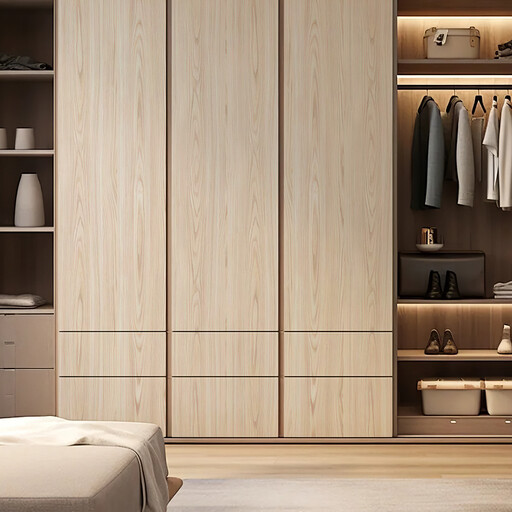
Why It Stands Out With its light honey-wood tone, this film creates a fresh and airy atmosphere. It is a great choice for visually brightening dark rooms or furniture pieces and giving them a modern, Scandinavian-inspired feel.
Advantages
Who Is It For? Perfect for wrapping cabinet doors, chests of drawers, or for creating bright accent walls in entryways, hallways, or home offices. The roll size of 60 cm x 305 cm is designed for targeted upgrades and smaller pieces of furniture.
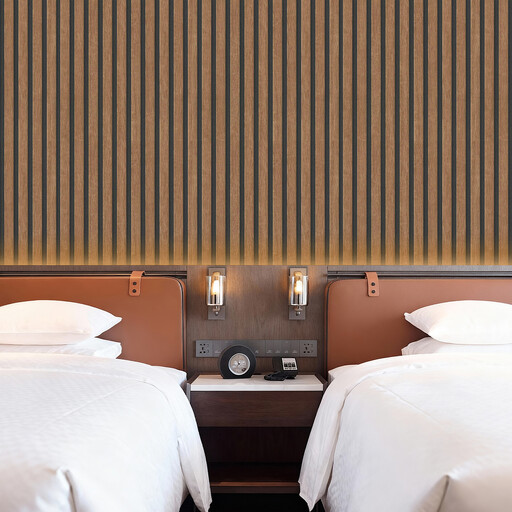
Why It Stands Out This black self-adhesive cabinet film in a slatted design makes a strong, modern statement. It creates depth and contrast, which makes light-coloured furniture or decorative elements stand out particularly well.
Advantages
Who Is It For? An excellent choice for anyone wanting to create a striking accent wall in a living room, bedroom, or dining area. It is also suitable for giving large, flat surfaces like wardrobe doors a modern and high-end look.
Haven't found the right film for your specific project yet, or are you looking for more designs? Perhaps you're planning to update a kitchen island or other special pieces of furniture.
? Discover more formats and designs in our Kitchen Island Peel and Stick Wallpaper category.
On which surfaces does wood-effect adhesive film stick? Self-adhesive films adhere best to smooth, clean, dry, and non-porous surfaces. These include sealed wood, lacquered furniture, metal, glass, and smoothly plastered walls. Avoid rough, heavily textured, dusty, or damp substrates, as this can compromise the adhesive strength.
How do you remove air bubbles when applying furniture film? Peel off the backing paper only gradually as you apply the film. Smooth the film from the centre outwards using a squeegee, a plastic card, or a soft cloth. If an air bubble still forms, you can carefully prick it with a very fine needle and press the air out.
Is wood-effect door film heat-resistant? Most PVC films are water-repellent and wipeable, which qualifies them for use on kitchen cabinet fronts. However, they are generally only heat-resistant to a limited extent. Direct contact with hot pots, pans, or open flames should be avoided. For areas behind the hob, special, more heat-resistant films or other materials are recommended. Always follow the manufacturer's instructions.