
Lieferung heute & morgen

Qualitätsgarantie

Willkommens-Angebote freischalten: KOSTENLOSE Lieferung | Bis zu 80 % RABATT | Kostenlose 30-Tage-JoyPlus-Testphase
App herunterladen
Do your rooms have an unpleasant echo? Do you find it hard to concentrate in your home office because every sound is amplified? Or perhaps you want to optimise the sound quality in your home cinema? You're not alone. Modern, minimalist interior styles with hard surfaces like parquet, concrete, and glass often lead to poor room acoustics. The result is disruptive reverberation and a noisy environment.
Wooden acoustic panels offer a solution that is both functional and aesthetically pleasing. They combine appealing design with acoustic performance to noticeably improve the acoustics in living and working spaces.
This guide is here to help. It explains the key features of acoustic panels and presents a selection of products to make it easier for you to choose the right ones for your home or office.
The range of available panels is vast. To find the right solution for your needs, you should consider three key aspects: material composition, installation method, and design.
The effectiveness of an acoustic panel depends on its construction. Most high-quality models consist of two main components:
Pay attention to the thickness and density of the felt backing, as these factors significantly influence absorption performance.
Installation is an important factor, especially for renters or DIY enthusiasts. There are generally two methods of attachment:
Acoustic panels have long since become a design element. Choose a wood type and colour that matches your interior style. Light oak tones create a friendly atmosphere and pair well with Scandinavian style. Dark walnut tones create an elegant and calm ambience, ideal for home cinemas or prestigious office spaces. You can cover an entire wall to create a strong visual statement or selectively optimise specific areas, such as behind the TV, desk, or bed.
Based on the criteria above, we have compiled a selection of products that stand out for their material combination, design, and functionality.
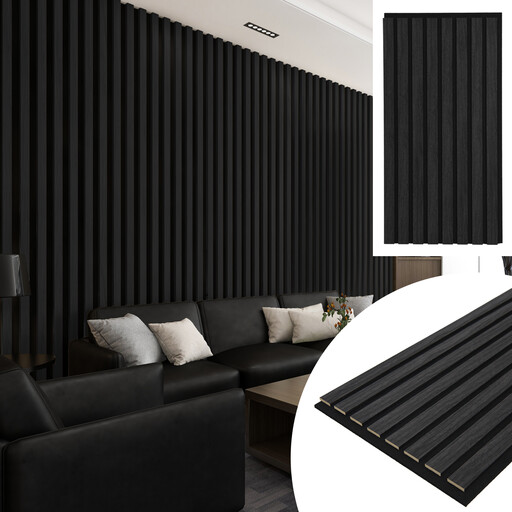
Why it stands out: These panels combine a modern, light wood look with effective sound-absorbing functionality. The realistic grey oak finish blends seamlessly into contemporary living concepts and creates a calm, uncluttered atmosphere. The 3D structure of the slats, combined with the dense felt backing, ensures an effective reduction of echo and noise.
Benefits:
Who is it for? Ideal for design-conscious users who want to upgrade the acoustics and visual appeal of their home office, living room, or creative space without being obtrusive.
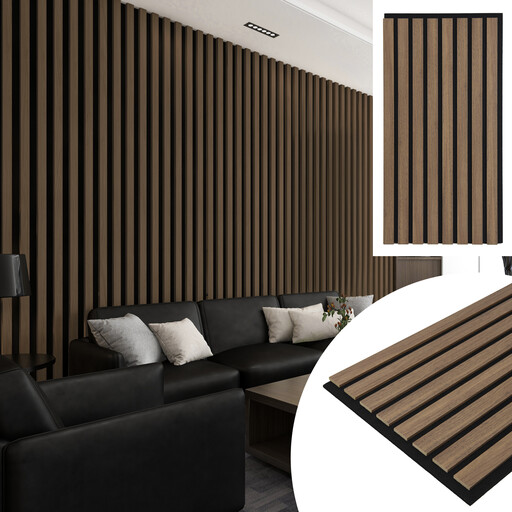
Why it stands out: The dark walnut panels exude elegance and quality. The rich, deep wood colour creates a focused and luxurious atmosphere. Technically, they feature a 3D surface that effectively scatters sound waves, while the high-density felt absorbs background noise and echo.
Benefits:
Who is it for? Perfect for home cinemas, professional offices, recording studios, or living rooms where a quiet, focused, and prestigious environment is desired.
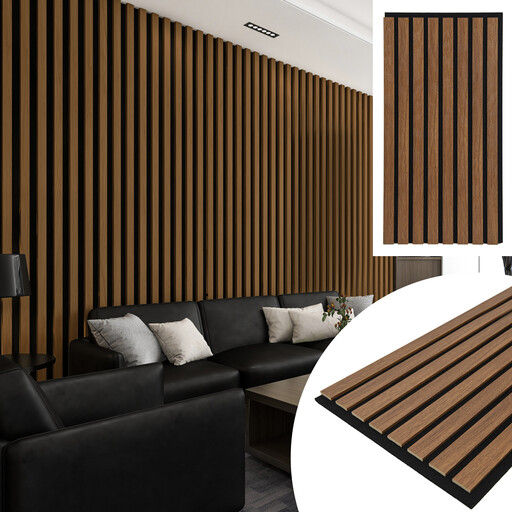
Why it stands out: This version offers a classic, warm walnut tone that radiates cosiness and naturalness. The deep, linear slats create an impressive 3D effect, adding texture and character to any wall. The felt backing reliably absorbs unwanted sound reflections and improves speech clarity during calls or sound quality for music.
Benefits:
Who is it for? An excellent choice for living rooms and bedrooms, as well as home offices where the goal is to create a warm, concentration-enhancing, and acoustically pleasant atmosphere.
Wall design is as individual as your personal taste. If the wood-effect options presented here don't exactly match what you're looking for, or if you're seeking other materials and designs, there are more possibilities to discover.
Browse our wider selection of wall design solutions to find the perfect design for your home.
The required quantity depends on the room size, furnishings, and the desired effect. A general recommendation is to cover about 25–30% of a room's wall surface to achieve a significant improvement. To start, it's often sufficient to cover a single wall or a strategic area—for example, the wall behind your desk, TV, or sofa.
It's important to distinguish between sound absorption and sound insulation. Acoustic panels are primarily sound absorbers. Their main job is to improve room acoustics by absorbing sound within a room, thereby reducing reverberation. They offer only very limited soundproofing (sound insulation) against noise penetrating the wall from outside. Effective sound insulation requires structural measures.
No, most modern acoustic wall panels are designed for DIY installation. Models marketed as self-adhesive acoustic panels are particularly easy to install with a suitable construction adhesive. Always read the manufacturer's installation instructions to ensure the surface is suitable and that you are using the correct mounting materials.