
Lieferung heute & morgen

Qualitätsgarantie

Willkommens-Angebote freischalten: KOSTENLOSE Lieferung | Bis zu 80 % RABATT | Kostenlose 30-Tage-JoyPlus-Testphase
App herunterladen
Finding the right balance between aesthetics and function is a common challenge in interior design. Especially in the living room, home office, or studio, poor room acoustics can disrupt concentration and negatively affect well-being. Wooden acoustic panels promise to solve this problem by absorbing sound while also serving as a modern design element.
However, the market is flooded with products whose promises don't always match reality. Before you invest, it's crucial to understand the common pitfalls that can lead to disappointment and unnecessary expense.
Pitfall 1: Purely decorative panels with no acoustic effect. Many budget-friendly panels may look like acoustic elements, but they consist only of a thin wood-effect foil on a simple board. They lack the crucial sound-absorbing material, meaning they do little to reduce reverberation in the room.
Pitfall 2: Inferior materials. A common problem is a felt backing that is too thin or not dense enough. However, this layer is essential for sound absorption. Likewise, cheap veneers or foils can peel off after a short time, especially with fluctuating humidity.
Pitfall 3: Complicated and inflexible installation. Products advertised as simple DIY solutions sometimes still require special tools, heavy-duty wall plugs, or are unsuitable for rental properties because they cannot be removed without leaving residue.
To make an informed decision, you should check three core parameters. These determine whether an acoustic panel will perform its function and suit your needs.
The effectiveness of an acoustic panel depends directly on its construction. A combination of two components is crucial here:
The design of the panels not only influences their appearance but also how they treat sound waves.
The installation method is a practical aspect that is often overlooked.
Based on these criteria, we have identified some products that represent a considered choice for specific user profiles.
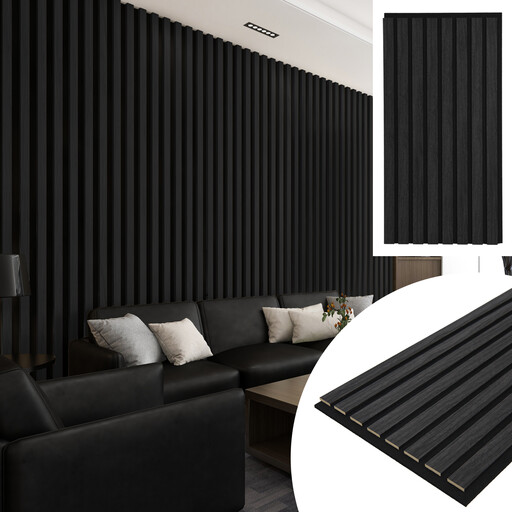
Why This Fits Their Persona: Ideal for users who want to create a stylish accent wall in their home office or a small corner of their living room without immediately covering a large area. The set of four panels provides a cost-effective entry point with an immediately visible and audible result.
The combination of a dense felt backing and a 3D slatted structure ensures a genuine acoustic improvement and is not just a decorative element.
A manageable set for a quick DIY project; the modern grey oak look complements many interior styles.

Why This Fits Their Persona: Perfect for creating a large-scale, statement wall in a living room or conference room. The real wood veneer in a walnut finish and the large 3.6 m? coverage area allow for a seamless and high-end appearance.
This complete system with 20 panels and a high-quality real wood veneer on a solid backing board ensures a consistent and effective result, bypassing the pitfall of inferior materials.
Large set for complete wall coverage; premium feel thanks to the walnut acoustic panel real wood veneer.
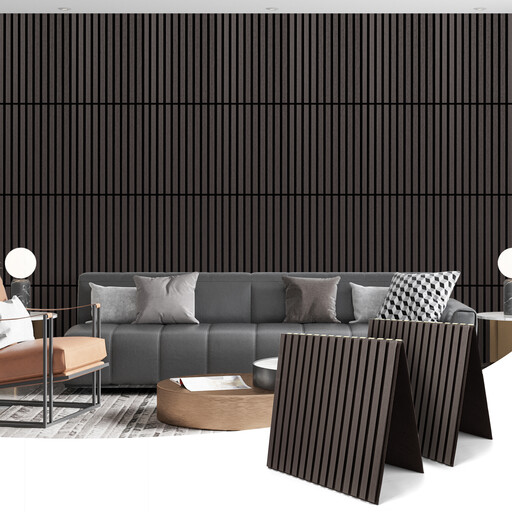
Why This Fits Their Persona: The foldable design is ideal for podcasters, musicians, or gamers who need a flexible solution for their studio. The panels can be set up when needed and easily folded for storage or transport.
This product bypasses the pitfall of complicated or permanent installation. It offers high flexibility for users who frequently change their acoustic setup or work in multi-purpose spaces.
Foldable design for easy storage and transport; ideal for temporary or mobile setups.
We have compiled a complete, up-to-date list of products that fully meet these strict selection criteria.
A general recommendation is to start by covering about 15–25% of the wall surface on one or two adjacent walls. Begin with the wall opposite your main speakers or the wall behind your workspace. Often, a strategically placed accent wall is enough to achieve a noticeable improvement in room acoustics.
It's important to make a key distinction here. Acoustic panels are primarily sound absorbers. They improve the acoustics within a room by reducing reverberation and echoes. They are not designed for soundproofing, which is the blocking of sound transmission through walls, floors, or ceilings. Effective soundproofing requires structural measures.
Yes, it's possible. If you are not allowed to screw into the walls, you can use high-quality mounting adhesive strips. However, test them in an inconspicuous area first to ensure they can be removed without leaving residue. Alternatively, consider foldable or freestanding wall sound absorbers, which require no permanent installation at all.