
Lieferung heute & morgen

Qualitätsgarantie

Willkommens-Angebote freischalten: KOSTENLOSE Lieferung | Bis zu 80 % RABATT | Kostenlose 30-Tage-JoyPlus-Testphase
App herunterladen
Whether you're dealing with a reverberant room, poor speech clarity during conference calls, or simply want a quieter, more aesthetically pleasing environment, there are many reasons to seek out a wooden acoustic panel. These elements promise to improve room acoustics while doubling as modern wall decor. However, the market is flooded with products whose actual effectiveness often falls short of their marketing promises.
Before you make a decision, it's crucial to understand the most common pitfalls that can lead to a bad investment.
To ensure your acoustic panel is both functional and durable, you should check three core parameters.
The effectiveness of an acoustic panel depends heavily on its construction. A high-quality modern wooden wall panel consists of two main components:
A material's ability to absorb sound is often indicated by Sound Absorption Classes (from A to E).
These panels are particularly effective at reducing mid to high frequencies, making them a good solution for noise control at home when it comes to improving room acoustics and reducing disruptive noises like chatter or clattering dishes.
Check the recommended installation options before you buy. The most common methods are:
Measure your wall area accurately and plan how the panels will be arranged to minimise waste.

Why This Fits Their Persona: Ideal for users who want to create a presentable and acoustically optimised environment in their home office for video conferences and focused work. The walnut finish gives the room a warm, professional aesthetic.
This set bypasses the "looks-only" trap with a solid construction of wood fibreboard backed by high-density felt, which is proven to enhance sound absorption.
With 20 panels, the set covers an area of 3.6 m?. The 3D structure not only ensures good sound diffusion but also creates a visually appealing play of light and shadow.
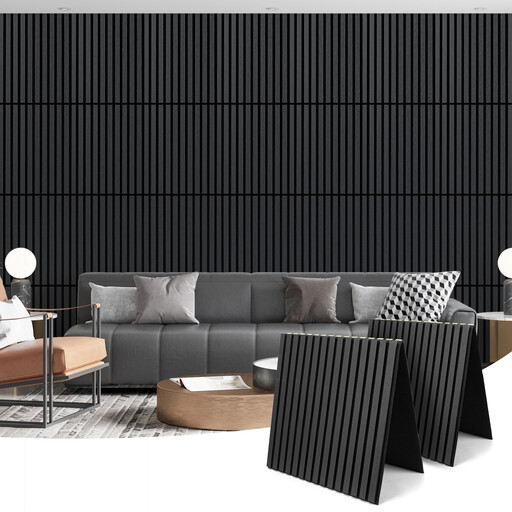
Why This Fits Their Persona: Perfect for podcasters, musicians, or gamers who need a flexible and non-permanent solution. The foldable design allows for quick setup, takedown, and easy storage.
This product avoids the high-effort installation trap. According to the manufacturer, installation is tool-free using the included adhesive pads, making it ideal for rental properties or temporary setups.
The foldable design is a clear unique selling point for flexible space utilisation. The core of high-density sound-absorbing material ensures effective echo reduction.

Why This Fits Their Persona: For anyone who wants to achieve a noticeable acoustic improvement in their living room without it looking too technical. The light oak finish blends seamlessly into Scandinavian and modern interior styles, creating a cosy atmosphere.
The product description clearly positions the panel as a sound absorber for improving room acoustics. This helps to avoid confusion with soundproofing and sets realistic expectations.
The realistic oak veneer surface offers a high-quality look. The modular design of the panels allows for flexible and creative arrangements on the wall, from a full covering to individual accents.
We've compiled a complete, up-to-date list of products that fully meet these strict selection criteria and applicable regulations.
A general rule of thumb is that covering 20–30% of the wall surface on one or two adjacent walls is sufficient to achieve a noticeable improvement. Ideally, start on the wall opposite the main sound source (e.g., speakers, TV) or on the wall causing the strongest reflections.
Only to a very small extent. Acoustic panels are primarily sound absorbers that reduce reverberation and noise within a room. They improve the acoustics in the room itself. For effective wall soundproofing against external noise, massive structural measures like a decoupled wall with insulation material are required.
Yes, most systems available on the market are designed for DIY installation. Installation is typically done by screwing them directly to the wall or onto a substructure of wooden battens. Alternatively, some lighter panels can be attached with special mounting adhesive. Always read the manufacturer's instructions for the specific product.