
Lieferung heute & morgen

Qualitätsgarantie

Willkommens-Angebote freischalten: KOSTENLOSE Lieferung | Bis zu 80 % RABATT | Kostenlose 30-Tage-JoyPlus-Testphase
App herunterladen
Fine baby hair cannot be cared for comfortably with just any brush. Bristles that are too firm can irritate sensitive scalps, while coarse plastic teeth may pull at small knots. If you want to buy a wooden baby hairbrush, you should not focus solely on a natural appearance or phrases such as “extra gentle”. Clear information about the bristles, construction, suitability for the child’s age and care requirements is what really matters.
A wooden handle initially tells you very little about the bristles. For example, a natural baby hairbrush may feature animal hair, plant fibres or plastic bristles. For newborns, bristle firmness is more important than the handle material. A baby brush with boar bristles may feel very soft, but it should still be checked for loose or sharp-feeling bristles before first use.
Lacquered or polished wood looks high-quality, but it must not have cracks, splinters or sharp edges. The handle size also matters: a brush that is too large or smooth can be impractical for everyday care. With a hairbrush for newborns, the handle should sit securely in the carer’s hand, while the bristle surface should be easy to guide in a controlled way through fine hair.
Very fine baby hair usually has few knots. With longer or thicker toddler hair, a brush with very soft bristles may reach its limits. Parents should therefore distinguish between a soft hairbrush for babies and the detangling brush they may need later on. For curly, longer or heavily tangled hair, a model with flexible plastic teeth may be more suitable.
For the daily care of babies, choose soft bristles that glide over the scalp without strong pressure. According to the product information, the Bachca Paris Baby Hair Brush uses 100% natural boar bristles. The manufacturer describes them as fine and intended for delicate baby hair. As natural materials can vary, the individual brush should be checked before every use.
Look out for:
A sustainable beechwood hairbrush should be smoothly sanded. According to the product description, the handle of the Bachca model mentioned above is made from natural beechwood and finished with an environmentally friendly lacquer. This makes the surface easier to clean, but does not make the brush suitable for prolonged soaking.
Wood should be stored in a dry place. Avoid prolonged contact with water, high temperatures and direct heat sources. As soon as cracks appear in the wood or bristles start to come loose, the brush should no longer be used for baby care.
Start at the ends of the hair and slowly work your way towards the roots. This helps loosen small knots gradually without unnecessarily pulling at the hair. Light, short brush strokes are sufficient for a baby brush designed for sensitive scalps. If the scalp is red, sore or visibly irritated, stop using the brush and seek medical advice if necessary.
A baby hairbrush is a grooming accessory, not a toy. Do not leave it within the child’s reach and only use it under supervision.
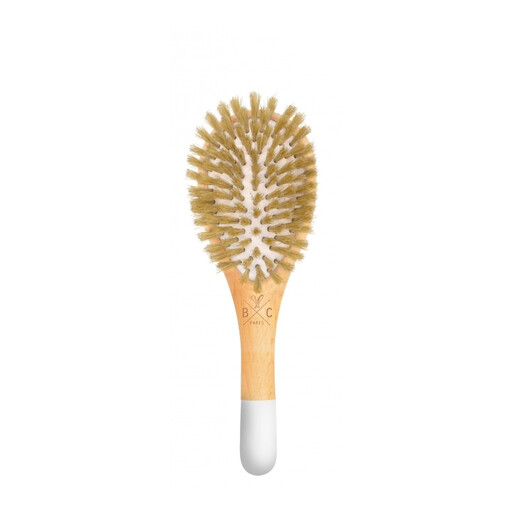
Why this product suits this profile: The combination of a beechwood handle and natural bristles meets the basic requirements for a wooden baby hairbrush without additional electrical functions or accessories.
The product information clearly specifies the material and type of bristle. This makes it easier to assess the brush objectively than a model marketed only with general claims about gentleness.
Natural boar bristles and a beechwood handle; according to the product information, it is intended for fine baby and toddler hair.
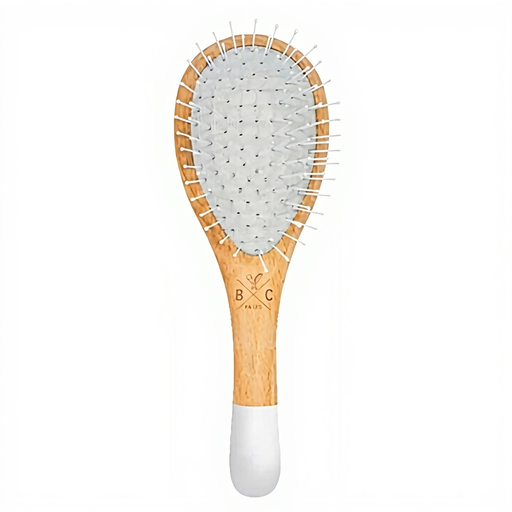
Why this product suits this profile: This model is aimed at buyers who want a baby gift for a new arrival with clearly specified materials and careful handling requirements.
The care instructions specifically highlight regular checks, gentle cleaning and avoiding prolonged contact with water.
Beechwood handle and 100% natural boar bristles according to the product description; compact shape for everyday care.
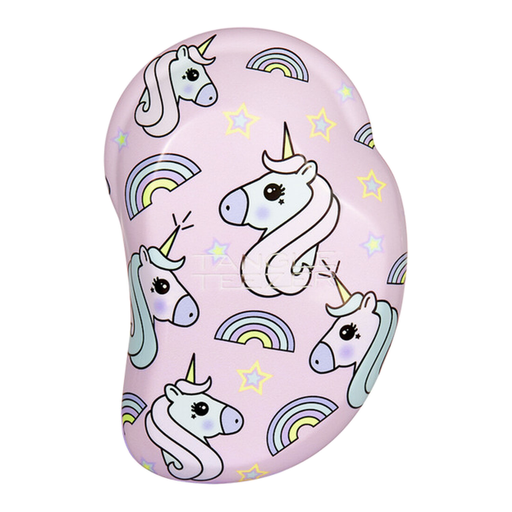
Why this product suits this profile: For toddlers with longer or more heavily tangled hair, a flexible plastic brush may be more practical than a dedicated baby brush with very soft natural bristles.
The combination of longer and shorter teeth is designed for detangling followed by smoothing. A protective cover reduces contact between the teeth and other items when travelling.
Flexible tooth design for detangling and a protective cover included; however, this model is not a wooden hairbrush.
We have put together a complete, regularly updated list of products that fully meet these strict selection criteria and the safety regulations applicable in the EU.
This depends on the specific bristle characteristics and the manufacturer’s information. A hairbrush for newborns should have very soft, evenly finished bristles. If the scalp is sensitive or irritated, stop using the brush.
There is no fixed service life. Check the brush regularly and replace it as soon as bristles start to fall out or become heavily worn, or if the wood develops cracks. If the brush is used daily, particularly careful visual checks are recommended.
First remove any loose hair. Clean the bristles briefly and gently with mild soap or as instructed on the packaging. Do not soak the wooden handle, and allow it to dry completely afterwards.