
Lieferung heute & morgen

Qualitätsgarantie

Willkommens-Angebote freischalten: KOSTENLOSE Lieferung | Bis zu 80 % RABATT | Kostenlose 30-Tage-JoyPlus-Testphase
App herunterladen
A child's first steps are an unforgettable milestone. A wooden baby walker can be a valuable support, providing security and promoting motor skill development. However, the market is flooded with models whose differences in quality and safety are difficult to spot at first glance. Misleading claims and poor designs can not only lead to a bad purchase but also compromise your child's safety.
As your Joybuy Product Recommendation Officer, I'll help you identify the crucial features and avoid common purchasing traps.
Many products look appealing at first but reveal their weaknesses only through daily use. Pay special attention to these three points to avoid disappointment:
To avoid making a bad purchase, you should base your decision on objective criteria. Three technical features are of central importance.
A crucial safety feature is a baby walker with a brake. This doesn't mean a stop function, but rather an adjustable rolling resistance. On high-quality models, you can use screws on the axles to regulate how easily the wheels turn.
This feature makes the walker an adaptable walking aid for ages 1 and up, growing with your child's abilities.
A wooden walker often offers better stability than plastic models due to its higher weight. Look for solid construction and a wide wheelbase, which makes it harder to tip sideways. Rubber-coated wheels not only protect your floors and reduce noise but also improve grip.
Another mark of quality is the use of FSC-certified wood. This seal stands for sustainable forestry and the protection of forests, animals, and plants.
A 2-in-1 baby walker combines walking support with other play functions, significantly extending its lifespan. Popular combinations include:
A height-adjustable handle is also a clear advantage, as it allows the walker to be adapted to the growing child's height.
Instead of making a one-size-fits-all recommendation, we have selected products tailored to specific needs and developmental stages.
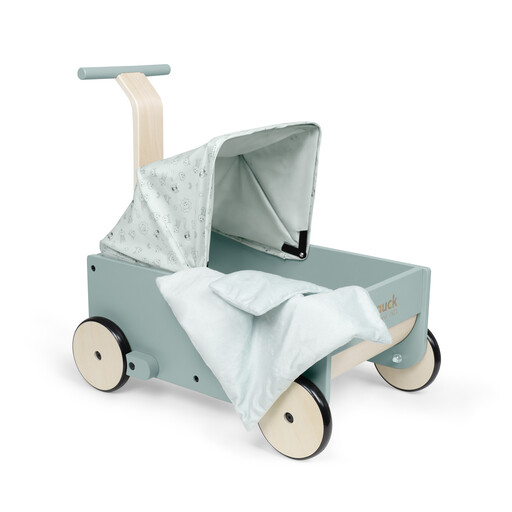
Why This Fits Their Persona: This model addresses the core needs of safety-conscious parents looking for a durable, grow-with-me wooden solution. It combines the walking function with a role-playing element.
The individually adjustable braking system prevents the walker from rolling away from the child. The height-adjustable handle (45-49 cm) and the 2-in-1 function as a doll pram counteract a short lifespan.
Made from FSC-certified wood for sustainability. Rubber-coated wooden wheels ensure quiet rolling and protect floors.
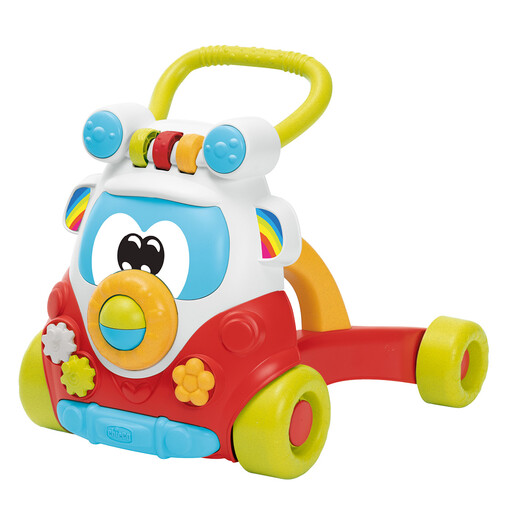
Why This Fits Their Persona: Ideal for parents who want to promote motor skills even before the first steps. This model is a combination of a walker and an activity center for children from 9 months.
The four large wheels and sturdy construction provide secure support for pulling up. The integrated activity center with five manual activities ensures long-lasting engagement and prevents the child from losing interest quickly.
As a 2-in-1 toy, it promotes both gross motor skills (walking) and fine motor skills (grasping, turning). It also offers high play value while sitting.
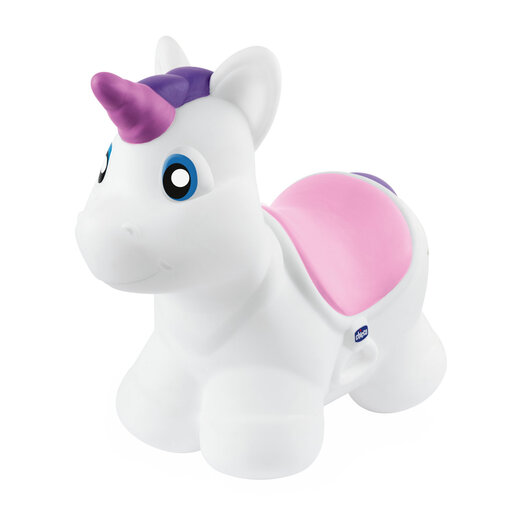
Why This Fits Their Persona: A great addition for after the first steps. This ride-on bouncer is designed for children aged 2 and up and playfully trains balance and muscle strength—essential skills for confident mobility.
This is not a baby walker, but a movement toy for the next developmental stage. It avoids the trap of limited usability by offering a new, age-appropriate challenge after walking has already been learned.
Actively promotes core muscles and a sense of balance. The easy-to-grip ears provide a secure hold while bouncing. A pump is included in the box.
We've compiled a complete, up-to-date list of products that meet these strict selection criteria and safety requirements.
A baby walker is useful when a child begins to pull themselves up on furniture and attempts to stand independently. This usually happens between nine and twelve months of age. It serves as a mobile support and should not be used to force walking, but to accompany the child in their natural development process.
These terms are often confused but describe fundamentally different concepts. A push walker (or walker wagon) is actively pushed by the child. The child stands on their own feet, training their balance and muscles. A seated walker, on the other hand, is a seat frame on wheels that the child is placed into. Many experts advise against seated walkers as they can promote an unnatural posture and hinder the development of balance.
The adjustment is usually made via screws on the rear wheels. Tighten the screws to increase the rolling resistance—the wheels will then turn with more difficulty. This is the recommended setting for the first walking attempts. Gradually loosen the screws as your child gains confidence and you want the walker to roll more easily. Always test the setting on a flat surface before your child uses the walker.