
Lieferung heute & morgen

Qualitätsgarantie

Willkommens-Angebote freischalten: KOSTENLOSE Lieferung | Bis zu 80 % RABATT | Kostenlose 30-Tage-JoyPlus-Testphase
App herunterladen
A wooden ceiling light combines natural materials with space-saving installation. It can be used in the living room, bedroom, dining area or hallway and, depending on its shape, suits both modern and rustic interiors. Before buying, however, it is worth taking a close look at the technical specifications and material descriptions. Not every light with a wood-effect finish is actually made of wood, and not every decorative light provides enough illumination for the intended room.
The term ‘wood design’ initially reveals little about the material. Some models feature a shade or accent made from real wood or bamboo, while others use plastic with a wood-effect finish. Both options can be suitable, but they differ in feel, care requirements and overall appearance. A sustainable light made from FSC-certified wood or bamboo should be clearly identified as FSC-certified.
With modern LED lights, the luminous flux in lumens is more important than the wattage. For example, an integrated 24-watt LED ceiling light can provide 2,400 lumens. By contrast, a light with an E27 or E14 fitting is supplied without a bulb, so the actual brightness depends on the LED bulb used.
‘Dimmable’ may refer to an integrated function operated via a push button or remote control. With a light that uses a replaceable bulb, you must check whether both the LED bulb and the existing dimmer are compatible. Some products allow the brightness to be adjusted in fixed steps, while others offer continuously variable dimming. These differences are relevant when using a living room light or bedroom light.
Look for clear material information for the shade, frame and ceiling mount. A wooden ceiling light may, for example, have a bamboo shade and a steel base. A wood and metal light creates an industrial or Scandinavian look, while wooden beads, fabric shades or untreated natural elements tend to have a more decorative effect.
FSC information relates to the responsible sourcing of the material carrying the relevant certification. It does not automatically mean that every component of the light is made from wood. The Atmosphera Lio Ceiling Light, for example, combines three shades made from FSC-certified natural bamboo with a steel base.
Compact models are a sensible choice for small rooms and narrow hallways. The Atmosphera Lio measures 25 × 25 × 18.8 centimetres and has three adjustable spotlights. This allows the light to be directed more precisely towards an entrance area or a small part of a room. A wooden ceiling spotlight can be more practical than a closed shade when specific areas need to be illuminated.
Pendant lights or multi-light models are suitable for larger living or dining areas. The hanging depth must be appropriate for the ceiling height and for how the space beneath the light is used. Above a dining table, the light should neither obstruct your view nor hang too low.
A colour temperature of around 3,000 Kelvin is classed as warm white and is often suitable for living rooms, bedrooms and hallways. A more neutral colour temperature may be more practical for work areas. With an integrated wooden LED ceiling light, the light source and technical unit are permanently fitted. With E27 or E14 models, you can usually replace the bulb.
For running costs, the power consumption in watts is the key factor. The simple calculation is:
The actual cost depends on your individual electricity tariff and how long the light is used. An energy efficiency class should always be considered alongside the luminous flux and power consumption.
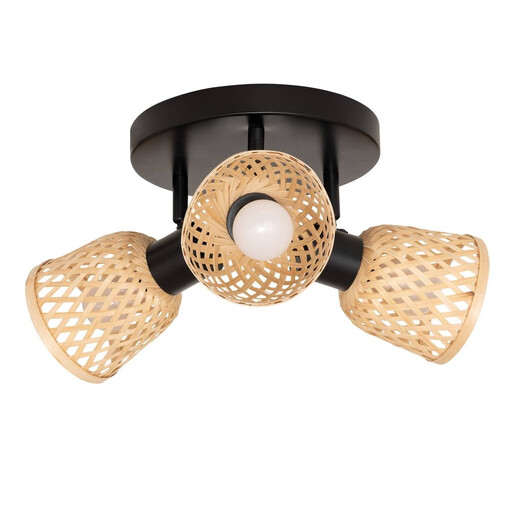
Why this product suits this profile: This compact light is ideal for hallways and smaller rooms. Three adjustable spotlights allow you to direct the light flexibly.
The specifications state the materials, dimensions, E14 fitting and maximum power. This means you can check which bulb is required before buying.
Three FSC-certified bamboo shades, steel base, IP20 rating for indoor use and adjustable spotlights.

Why this product suits this profile: The integrated LED technology delivers 2,400 lumens at 3,000 Kelvin. This light is designed for living rooms, bedrooms, kitchens and hallways.
The light output is given in lumens and the colour temperature in Kelvin. The three-stage dimming function with memory feature is also documented.
35-centimetre diameter, 7.5-centimetre height, integrated LED, 24 watts and 2,400 lumens.
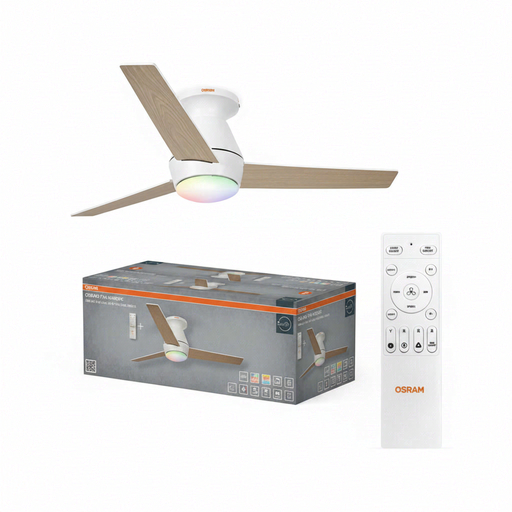
Why this product suits this profile: This combination appliance is designed for households that want to combine lighting and air circulation in a single ceiling fitting.
The specifications state the diameter, power consumption, IP20 rating, integrated LED and remote control. This allows you to assess the space required in advance.
106.5-centimetre diameter, dimmable 38-watt LED, CCT from 3,000 to 6,500 Kelvin and RGB function.
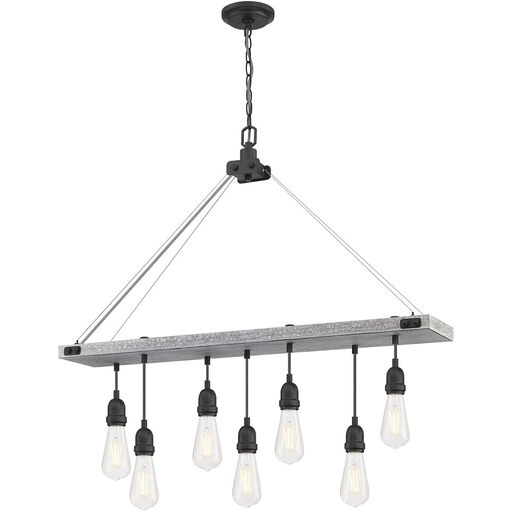
Why this product suits this profile: The seven-light design is ideal for dining areas, hallways and rooms with higher ceilings where a pendant light combining wood and metal is required.
The maximum hanging height of 173 centimetres, seven E27 fittings and suitability for sloping ceilings are clearly specified.
A combination of ash wood accents and metal, seven E27 light sockets and installation options for sloping ceilings.
We have put together a complete, regularly updated list of products that fully meet these strict selection criteria and the safety regulations applicable in the EU.
With a permanently connected wooden ceiling light, the power supply must be switched off before installation. Electrical connections should only be carried out by a suitably qualified person. Check that the ceiling can safely support the weight and that the supplied fixings are suitable for the substrate.
The IP20 rating is intended for dry indoor areas. It is generally not sufficient for bathrooms, covered outdoor areas or other damp zones. Wood, bamboo and fabric shades should also not be treated with water or harsh cleaning products. A soft, dry cloth is usually sufficient for regular dust removal.
Compact ceiling spotlights with wood or bamboo elements are often practical for narrow hallways. Several adjustable spotlights can illuminate the entrance area more evenly. Pay attention to the overall dimensions, light distribution and suitable E14 or E27 bulbs.
The lifespan depends on operating hours, heat dissipation and product quality. Manufacturers’ LED lifespan figures should be viewed as technical guidelines, not a guarantee of a specific service life. With permanently integrated LEDs, check whether a replacement module is available in the event of a repair.
The key factors are power consumption, daily operating time and your electricity tariff. A 24-watt light used for three hours a day consumes around 26.3 kilowatt-hours per year based on the calculation. The exact annual cost is calculated by multiplying this consumption by your personal price per kilowatt-hour.