
Lieferung heute & morgen

Qualitätsgarantie

Willkommens-Angebote freischalten: KOSTENLOSE Lieferung | Bis zu 80 % RABATT | Kostenlose 30-Tage-JoyPlus-Testphase
App herunterladen
A wooden chopping board can be used in many ways for cooking, serving and presenting food. Yet some product claims and design choices can quickly lead to a poor purchase. A glossy surface, for example, says little about how well it will perform day to day. What really matters are the material, dimensions, craftsmanship and proper care.
"Natural wood" is not a precise material specification. It can cover various types of wood and construction methods. So look out for specific details such as walnut wood, beech wood, rubberwood or bamboo. With a bamboo chopping board, it should also be clear whether it is made from several glued layers or from a single solid piece.
Terms like "antibacterial" should not automatically be taken as a hygiene guarantee. For safe food preparation, what really counts is cleaning, thorough drying and using the board appropriately.
A narrow board may be fine for fruit or a few slices of bread, but it quickly becomes impractical when chopping vegetables, meat or dough. Check the usable surface area and bear in mind that a handle can reduce the actual cutting zone.
Wood and bamboo generally cannot tolerate long soaking or being washed in the dishwasher. Heat, excessive moisture and direct sunlight can cause warping or cracking. A robust kitchen board therefore needs a simple but consistent care routine.
A natural wood chopping board has a unique look thanks to its grain. Walnut wood usually offers a dark, striking appearance, while beech is lighter. Bamboo is not a classic wood, but it is often sold as a bamboo kitchen board because of its firm structure.
For knives, a smooth, sufficiently elastic surface is better than glass or very hard stone materials. Check the product description for:
A board with noticeable cracks or severe warping should not be used further, as residue can build up in those areas.
The right size depends on your work surface and cooking habits. A large chopping board from around 40 centimetres in length offers more space for several ingredients or larger foods. For small kitchens, dimensions around 30 × 20 centimetres are often easier to store.
Greater thickness can improve stability, but it also makes the board heavier. Models between 17 and 30 millimetres thick are often designed with sturdiness in mind. Also check whether the board sits securely on your worktop and whether its dimensions fit your sink, drawer or storage space.
A chopping board with a handle is easier to carry from the worktop to the table and can be hung up to save space. However, the handle takes up surface area and can get in the way when chopping if it is very close to the cutting zone.
A round chopping board is particularly good as a serving board for bread, cheese or small snacks. For long foods and even cutting motions, a rectangular shape can be more practical. So decide first whether you will mainly use the board as a chopping board for vegetables and meat, or as a serving board.
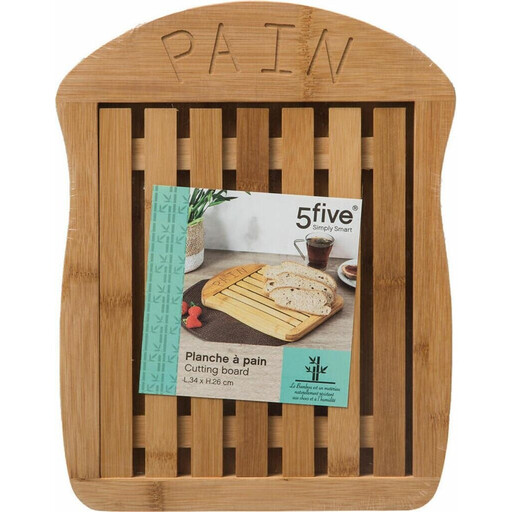
Why this product suits the profile: The dimensions of 34 × 26 cm provide a practical everyday surface for bread, fruit and smaller prep tasks. The bamboo material and simple format make it ideal for anyone looking for a straightforward kitchen board.
The specific size information prevents you from guessing the available work surface based only on a product photo. Care should be by hand washing; soaking should be avoided.
Bamboo material; compact dimensions of 34 × 26 cm; suitable for bread and smaller kitchen tasks.
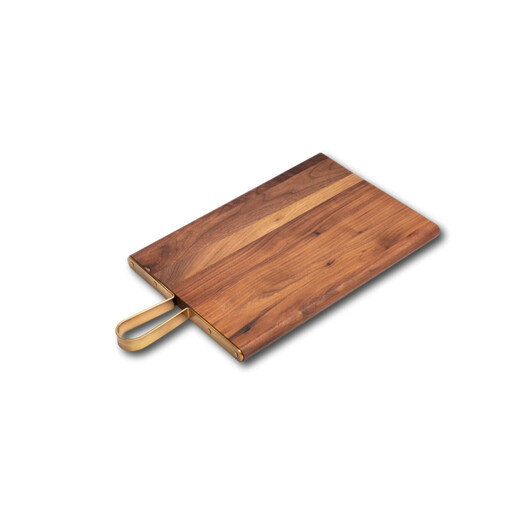
Why this product suits the profile: Walnut wood and a long handle combine a striking look with easy carrying. The 20 millimetre thickness and 25 × 36 cm format work well for daily prep and serving.
The product details state the material, dimensions and a clear warning against open flames, high heat and direct sunlight. This makes it easier to assess realistic usage.
Walnut wood; 250 × 360 × 20 mm; long handle; not suitable for dishwasher or harsh abrasive cleaners.
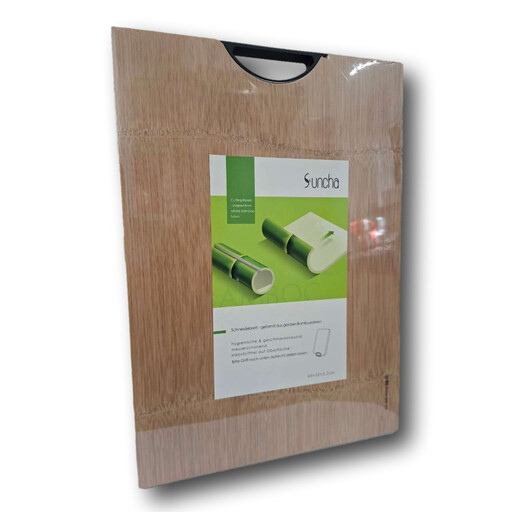
Why this product suits the profile: The work surface of 45 × 32 cm and thickness of 26 mm offer plenty of room for family-sized portions, vegetables, bread or dough. The integrated handle makes it easy to carry to the table.
The dimensions make it clear that the board needs storage space and has some weight. The recommended hand washing and upright drying help prevent moisture damage from incorrect cleaning.
45 × 32 cm work surface; 26 mm thickness; bamboo material; handle for carrying, hanging and serving.
We have put together a full, regularly updated list of products that fully meet these strict selection criteria and the safety regulations in force in the EU.
For daily use of a wooden chopping board, a clear routine works best:
If the board develops deep cracks, splinters, signs of mould or severe warping, it should be replaced. A chopping board with a handle, a round chopping board or a classic rectangular model can all be functional, as long as the format and care routine suit your kitchen workflow.
It is not possible to give a reliable fixed lifespan. It depends on the type of wood, construction, how often you use it and how you care for it. Regular drying, avoiding the dishwasher and heat, and replacing the board promptly if it becomes damaged can all help extend its useful life.
Many bamboo models are described as suitable for various preparation tasks. What matters are the specific manufacturer's instructions and hygienic cleaning after use. For raw meat, a separate board can be useful to keep work areas separate more easily.
Not every model requires the same care. For products where the manufacturer recommends it, a food-safe mineral oil can help maintain the wood surface. Do not use just any household oils, and always follow the instructions on the product page.