
Lieferung heute & morgen

Qualitätsgarantie

Willkommens-Angebote freischalten: KOSTENLOSE Lieferung | Bis zu 80 % RABATT | Kostenlose 30-Tage-JoyPlus-Testphase
App herunterladen
A wooden chopping board should prepare food safely, protect your knives and not create unnecessary work in everyday use. Yet eye-catching product claims and decorative details often lead to the wrong purchase. What really matters isn't just colour or wood grain, but the material, dimensions, craftsmanship and how you intend to use it.
The term antibacterial doesn't replace proper cleaning. According to the product description from 5Five, the bamboo board is labelled as such. Nevertheless, any residue should be removed after each use with warm water and a mild cleaning agent. Raw meat, fish, fruit and vegetables should ideally not be prepared one after the other on the same surface without cleaning in between.
Even a smooth or low-porosity surface doesn't automatically mean a board stays germ-free. Always check the manufacturer's specific care instructions.
A chopping board with a juice groove can catch liquid from fruit, vegetables, meat or fish. The groove reduces spillage onto your worktop, but it takes up some space and needs careful cleaning. For dry ingredients or finely chopping herbs, a large, fully usable surface is often more practical.
Also check whether the groove is wide enough and rounded. Narrow indentations can be harder to brush clean.
Wood, bamboo and slate all react differently to water, heat and detergents. According to the product details, the 5Five bamboo set is not suitable for the dishwasher. The Suncha walnut wood boards should also not be soaked or cleaned in the dishwasher.
If you plan to put a board in the dishwasher regularly, don't choose a wooden product without checking the manufacturer's instructions. With natural materials, the wrong cleaning method can lead to cracks, warping or a rough surface.
A bamboo chopping board is often relatively lightweight and has an even surface. Botanically, bamboo isn't a classic wood, but it's used similarly in the kitchen. What matters is whether the board sits stably enough and how it needs to be cared for.
A walnut wood chopping board offers a dark, natural look. The Suncha models available measure 36 × 25 cm and are 20 mm thick. Natural wood should be protected from heat, direct sunlight and prolonged contact with water. If cracks, splinters or noticeable warping appear, the board should no longer be used.
Boards made from wheat fibre can be an alternative for buyers who prefer a smooth, non-porous surface. The Suncha model with a handle measures 36 × 26 cm and is intended for hand washing according to the product description.
For everyday preparation, dimensions from around 30 cm in length are usually more comfortable than very small boards. However, the available space on your worktop is the deciding factor. A board that's too large can be difficult to store and clean.
Thickness affects stability and weight. The 5Five bamboo set measures 35 × 25 cm each and is 2.5 cm thick. Two boards allow you to prepare ingredients separately. Thinner models with a handle are easier to hang up and carry, but may feel less substantial.
A chopping board with a handle is suitable for households where the board is frequently hung up or carried straight to the table. Check whether the handle is part of the usable surface and whether it gets in the way when cutting.
A serving board or slate cheese board isn't automatically intended as a daily chopping board. Slate is particularly suitable for cheese, bread and small snacks. The surface can be more sensitive to hard knife blades. With a cheese board set, check which utensils are included and whether hand washing is required.
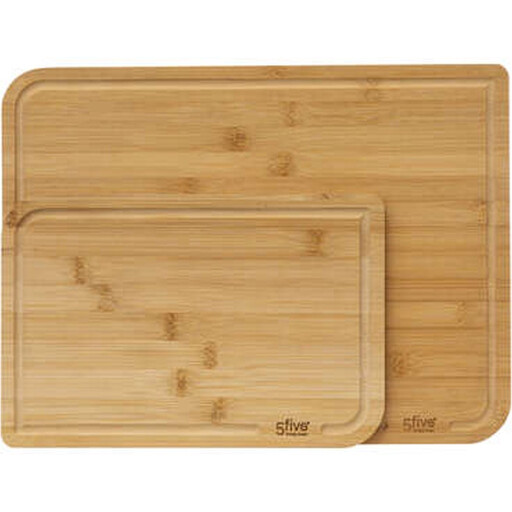
Why this product fits the profile: Two boards measuring 35 × 25 cm offer a practical split for different ingredients in everyday kitchen use.
The integrated juice groove addresses the risk of overflowing liquid. Hand washing prevents unverified use in the dishwasher.
Two boards, 2.5 cm thickness, juice groove and specified hand washing.
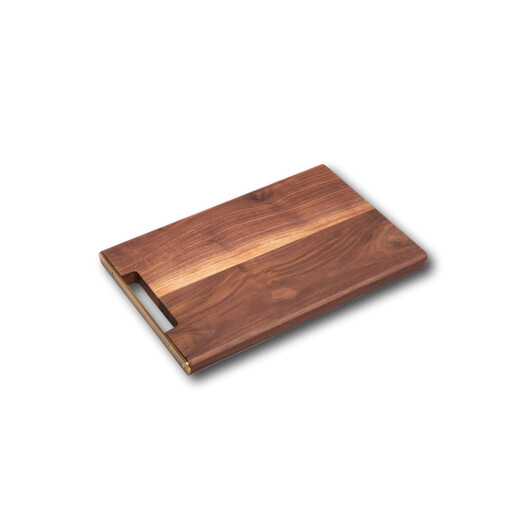
Why this product fits the profile: The 36 × 25 × 2 cm board combines a defined size with walnut wood and a copper handle.
The care instructions explicitly state hand washing, thorough drying and avoiding soaking or the dishwasher.
Walnut wood, 20 mm thickness and an integrated copper handle.
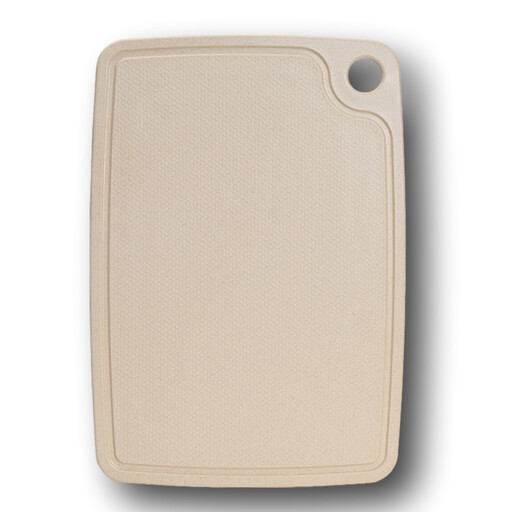
Why this product fits the profile: The dimensions of 36 × 26 cm provide space for regular preparation tasks; the handle makes it easy to hang up.
Hand cleaning respects the manufacturer's instructions and avoids the assumption that every kitchen board is dishwasher-safe.
36 × 26 cm, integrated handle and smooth surface according to the product description.
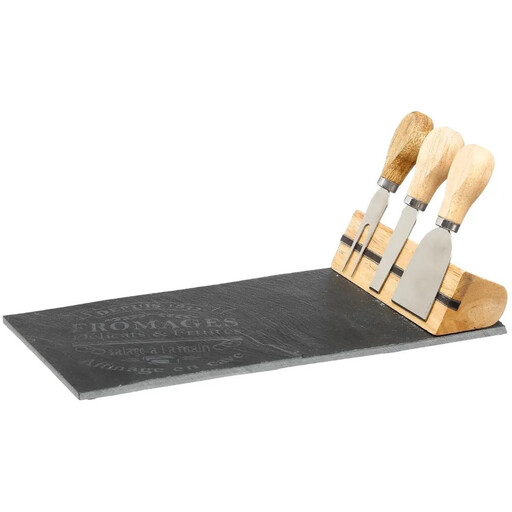
Why this product fits the profile: The 32 × 16 cm set includes a slate board and three cheese knives for buffets and social occasions.
The clear purpose prevents mistaking a decorative cheese board for a universal chopping board. It is not suitable for the dishwasher.
Slate and wood elements, three cheese knives and multifunctional use for serving.
We've put together a complete, regularly updated list of products that fully meet these strict selection criteria and the safety regulations in force in the EU.
It depends on the type of wood, how often you use it and the condition of the surface. If the surface becomes dry, rough or stained, a care treatment according to the manufacturer's instructions may be sensible. Only use an oil intended for kitchen boards and clean the board thoroughly beforehand.
It's not possible to give a reliable fixed lifespan. Gentle hand washing, thorough drying and protecting it from heat can extend its useful life. Cracks, splinters and warping are clear reasons to stop using the board.
The material alone doesn't determine hygiene. What matters is thorough cleaning, quick drying and separating certain food groups. Also check the manufacturer's specific information about the surface, care and intended use.