
Lieferung heute & morgen

Qualitätsgarantie

Willkommens-Angebote freischalten: KOSTENLOSE Lieferung | Bis zu 80 % RABATT | Kostenlose 30-Tage-JoyPlus-Testphase
App herunterladen
A wooden coffee table is a central element in many living rooms. Its function extends beyond being a mere surface; it structures the space, serves as a gathering point, and influences the entire atmosphere of the seating area. Selecting the right model is based on an analysis of material, form, and functional features. This guide highlights the technical criteria relevant to choosing a wooden living room table.
Choosing a coffee table should be based on an evaluation of objective parameters. The following criteria provide a basis for a rational selection.
The term "wood" encompasses various materials with different properties.
The shape of the table influences space utilisation and safety.
The ideal height of a coffee table is based on the seat height of the sofa. A height that matches the seat or is a few centimetres lower is generally considered ergonomic and visually harmonious.
A coffee table with a shelf significantly enhances its practical utility. A second tier below the main tabletop provides space for magazines, remote controls, or books. This helps to keep the top surface clear and uncluttered. The additional shelf also reinforces the overall structure and can increase the table's stability.
Based on the criteria mentioned, we present two models that stand out for their specific construction features and design.
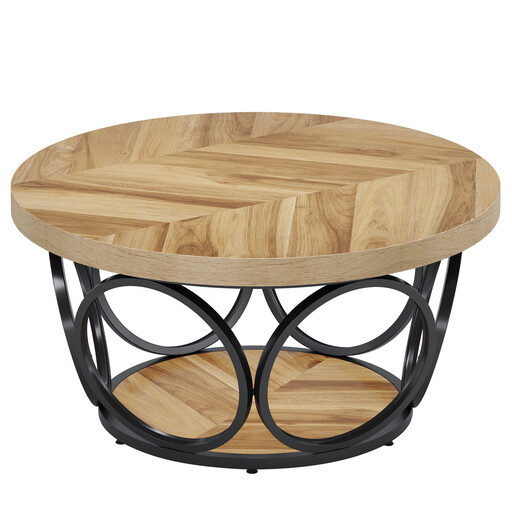
Why We Recommend This Product
This model combines a round shape with a two-tier design. The 80 cm diameter offers a generous surface area, while the lower shelf creates additional storage space. The material combination of particleboard with a wood grain finish and a metal frame ensures a stable base and an aesthetic that blends both rustic and modern elements.
Pros
Who It's For
This model is suitable for those looking for a functional wooden living room table with extra storage. Its round shape makes it a great fit for family homes and interiors that favour a harmonious, less rigid design language.
View Details for the Tribesigns Round Coffee Table
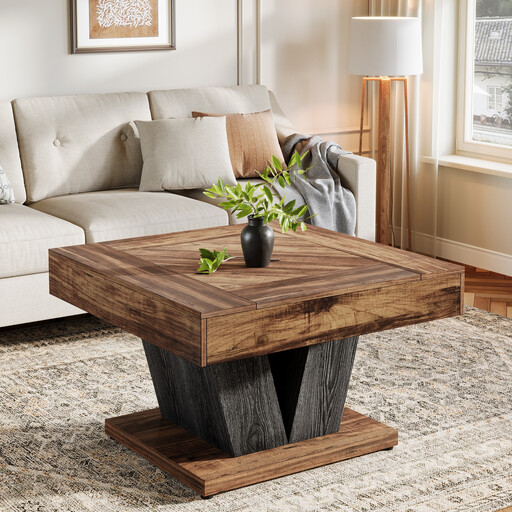
Why We Recommend This Product
This square table is distinguished by its striking frame, composed of two intersecting panels. According to the manufacturer, the thickened MDF tabletop and wooden frame offer a high load capacity of up to 100 kg. The 80 cm side length creates a large, uniform surface for both decoration and practical use.
Pros
Who It's For
This model is aimed at users who prefer a modern sofa table with a clean geometric shape and high stability. It integrates well into contemporary living concepts and is ideal for those who need a robust and low-maintenance surface.
View Details for the Tribesigns Square Coffee Table
Choosing the right coffee table depends on individual spatial requirements and stylistic preferences. If the models presented do not exactly meet your needs, you can find a wider selection of designs, sizes, and materials in our main category.
Discover more models in the Tea Table category.
1. What is the ideal height for a coffee table? The recommended height for a coffee table is typically level with the sofa's seat or up to 10 cm below it. This ensures that items on the table are easily accessible without obstructing the line of sight to the television, for example.
2. What is the difference between solid wood and engineered wood like MDF? Solid wood is made entirely from natural timber. It is durable and unique in its grain, but it is also more susceptible to changes from humidity and is generally more expensive. Engineered wood, such as MDF (medium-density fibreboard) or particleboard, consists of compressed wood fibres or chips held together with binders. They are dimensionally stable, more cost-effective, and allow for a wide variety of designs through coatings.
3. How do you clean a coffee table with a coated wood surface? For daily cleaning, a dry or slightly damp, soft cloth is usually sufficient. The use of harsh cleaning agents or abrasive sponges should be avoided, as they can damage the surface. Spills should always be wiped up immediately to prevent them from penetrating the material.