
Lieferung heute & morgen

Qualitätsgarantie

Willkommens-Angebote freischalten: KOSTENLOSE Lieferung | Bis zu 80 % RABATT | Kostenlose 30-Tage-JoyPlus-Testphase
App herunterladen
A high-quality wooden cutting board is an investment for years and the foundation of any well-equipped kitchen. However, the market is filled with products whose marketing promises often suggest more than the material quality can deliver. The consequences are warped boards, cracks after just a few weeks, or knives that become unexpectedly dull. As your Joybuy Product Recommendation Officer, I'll help you recognize these pitfalls and make an informed decision.
Before we turn to the features of good boards, we should identify the typical problems that lead to a poor purchase.
To make a smart choice, you should check three core parameters that determine the quality and functionality of your new board.
The choice of wood and its processing are fundamental. There are two main types of construction:
A bamboo cutting board is a popular alternative. Technically, bamboo is a woody grass. It is very hard, dense, and absorbs little moisture. While these properties make it resilient, its high hardness also means it can be less gentle on very delicate knife blades than classic hardwoods.
A good wooden kitchen board is more than just a cutting surface. Practical details significantly enhance its everyday utility.
Here are three recommendations tailored to specific user profiles that meet the quality criteria mentioned.

Why This Fits Their Persona: Ideal for chefs who need a large, multifunctional surface for daily prep and serving. The generous dimensions and reversibility offer maximum flexibility.
The dense bamboo material and solid 1.9 cm thickness minimise the risk of warping. The integrated juice groove practically solves the problem of messy countertops.
Large format (45 x 30 cm) serves as both a cutting and serving board. Practical juice groove and reversible design for hygienic work.
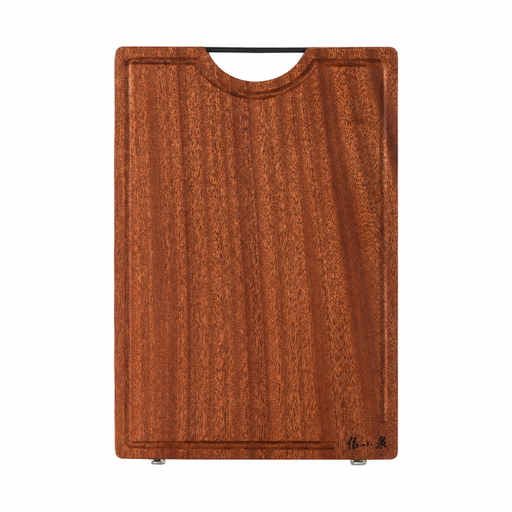
Why This Fits Their Persona: Perfect for users seeking a simple, robust, and functional board without unnecessary details. The focus is on pure material quality and longevity.
By being crafted from a single solid piece of wood, it bypasses the weakness of glue seams that often lead to cracks in lower-quality boards. It is an honest, solid product.
Solid wood construction for high stability and durability. Classic, rectangular shape for all basic cutting tasks in the kitchen.

Why This Fits Their Persona: This cutting board set is the solution for anyone who values hygiene and organization. The three different sizes allow for a clear separation of foods and tasks.
According to the manufacturer, the carbonization process increases durability and reduces moisture absorption, which counteracts warping and cracking. The handles and juice grooves are thoughtful details.
Set of 3 sizes for versatile use. Each board features a juice groove and integrated handles, making handling and serving easier.
We have compiled a complete, up-to-date list of products that fully meet these strict selection criteria and German safety regulations.
A wooden cutting board should never be cleaned in the dishwasher. Clean it by hand immediately after use with warm water and a mild dish soap. Afterwards, dry it thoroughly with a cloth and store it upright so that air can circulate and the wood dries evenly.
Food-safe, odourless, and tasteless oils are suitable for maintenance. Refined, food-grade mineral oil is a common and safe choice. Alternatively, special wood care oils based on linseed oil or beeswax can be used. Apply a thin layer of oil, let it soak in for a few hours, and wipe off any excess. This process should be repeated every few weeks, depending on the frequency of use.
In general, classic woods like maple, walnut, or oak are considered gentler on knife blades than bamboo. Bamboo has a higher density and hardness, which can lead to faster wear on the knife's edge. For everyday use with standard kitchen knives, the difference is often negligible, but owners of very high-quality and delicate knives often prefer boards made of end-grain wood or softer edge-grain woods.