
Lieferung heute & morgen

Qualitätsgarantie

Willkommens-Angebote freischalten: KOSTENLOSE Lieferung | Bis zu 80 % RABATT | Kostenlose 30-Tage-JoyPlus-Testphase
App herunterladen
A good wooden cutting board is the cornerstone of any kitchen. It protects your knives, provides a stable work surface, and can even double as a stylish wooden serving board. However, the market is flooded with products whose quality only becomes apparent after a few weeks of use—often in the form of warped boards, deep knife scores, or split glue seams. As your Joybuy Product Recommendation Officer, I'm here to help you identify the common pitfalls and make an informed decision.
Before we dive into the features of a great board, let's look at the three most common issues that lead to disappointment. Knowing these will help you avoid a bad purchase.
To avoid these traps, you should focus on three objective criteria. These will help you separate the wheat from the chaff and find a durable product.
The choice of material is crucial for longevity and how gentle it is on your knives.
The dimensions should suit your workspace and cooking habits.
Instead of making a one-size-fits-all recommendation, we have selected products that cater to different needs and kitchen profiles.
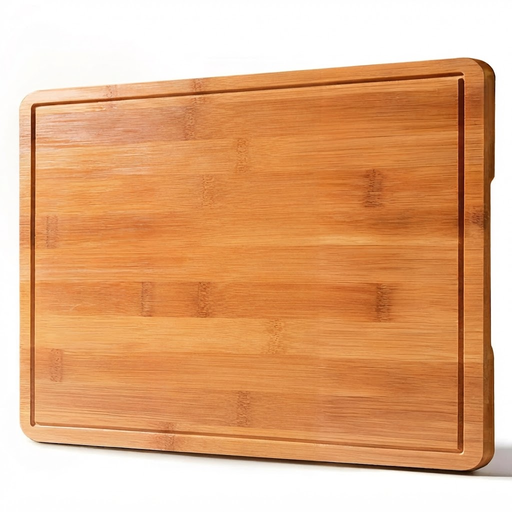
Why it's a great fit: Perfect for daily meal prep. It's robust, easy to care for, and includes the most important functional features without breaking the bank.
The carbonised bamboo material is more resistant to moisture and warping. The integrated juice groove and handles directly solve the problem of missing functionality.
According to the manufacturer, the heat treatment increases durability and reduces moisture absorption, which supports its dimensional stability.
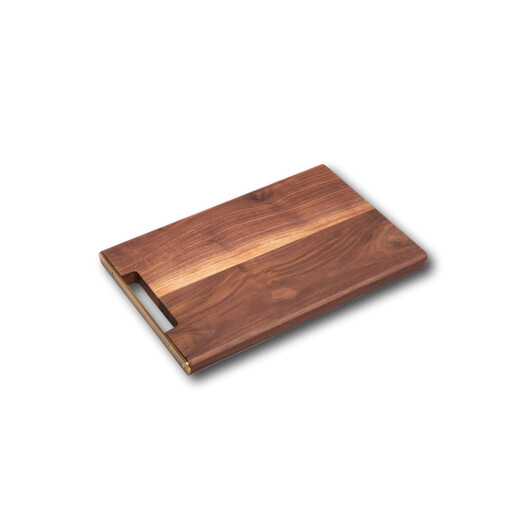
Why it's a great fit: For anyone seeking a functional kitchen tool that also serves as an elegant serving platter for cheese or antipasti. Aesthetics are a top priority here.
This board is crafted from solid walnut wood, sidestepping the trap of poorly glued boards. The focus is on material aesthetics rather than over-the-top marketing claims.
The combination of dark walnut wood and a copper handle gives the board a premium look and feel, making it ideal for serving at the table.
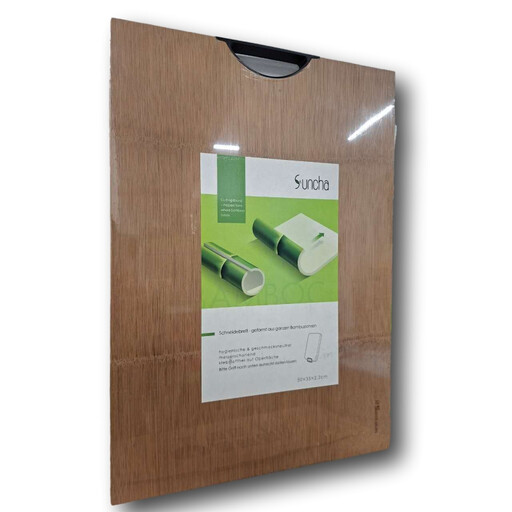
Why it's a great fit: Those who cook a lot need space. This large and solid cutting board offers an extremely stable and generous work surface, ideal as a carving board or for preparing large meals.
According to the manufacturer, this board is made from a single piece of bamboo using a special technique, creating a glue-free surface and eliminating the weak point of glue seams.
The substantial size of 50 x 35 cm and thickness of 2.6 cm provide maximum stability and workspace for demanding kitchen tasks.
We have compiled a complete, up-to-date list of products that meet these strict selection criteria and comply with German safety regulations.
1. How do you properly care for a wooden cutting board? Proper care is simple but crucial. After use, clean the board by hand with warm water and a mild dish soap. Rinse it thoroughly and dry it immediately with a cloth. Store it upright so air can circulate on all sides. Important: Never put a wooden board in the dishwasher or soak it in water. To prevent the wood from drying out, you should rub it with a food-safe mineral oil every few weeks.
2. Is bamboo or wood better for a cutting board? Both materials have their merits. Bamboo is harder, absorbs less moisture, and is a fast-growing resource. However, its hardness can cause knife blades to dull slightly faster than on softer wood. Classic wooden cutting boards made of beech, oak, or walnut are often more forgiving and thus gentler on the knife's edge. They tend to require a bit more care (oiling) to prevent cracking. The choice depends on your priority: maximum durability (bamboo) or maximum knife protection (wood).
3. Why is my wooden cutting board warping? Warping is usually caused by moisture. The most common causes are cleaning it in the dishwasher, soaking it too long in sink water, or letting it dry on a flat, wet surface. Wood is a natural material that reacts to changes in humidity. If one side absorbs more water than the other, it creates tension and eventually leads to warping. Correct, quick cleaning and upright drying are the most effective ways to prevent this.