
Lieferung heute & morgen

Qualitätsgarantie

Willkommens-Angebote freischalten: KOSTENLOSE Lieferung | Bis zu 80 % RABATT | Kostenlose 30-Tage-JoyPlus-Testphase
App herunterladen
A good wooden cutting board is the cornerstone of any kitchen. It's more than just a surface—it protects your knives, provides a stable workspace, and can even double as a stylish serving board. However, the market is flooded with products whose true quality only reveals itself after a few weeks of use. Many boards warp, quickly dull your knives, or simply prove to be impractical.
As your Joybuy Product Recommendation Officer, I'm here to help you identify the features that truly matter. This guide will show you how to sidestep common purchasing pitfalls and find a wooden cutting board that will serve its purpose reliably for years to come.
Before we dive into the key parameters, let's highlight the issues that often lead to disappointment.
To avoid these traps, focus on the following objective features.
The choice of material significantly impacts durability, kindness to knives, and maintenance requirements.
A board's functionality is determined by its dimensions and thoughtful details.
Here are a few recommendations tailored to specific use cases that take the above criteria into account.
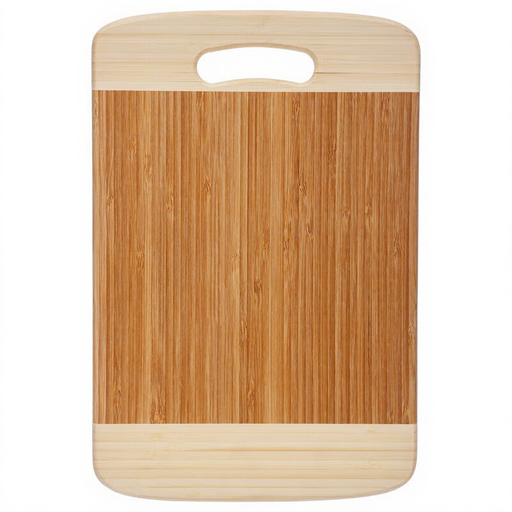
Why it's a good fit: Perfect for daily use in kitchens with limited space. It's lightweight, easy to handle, and covers the basic needs for prepping vegetables, fruits, and smaller portions of meat.
The simple, solid bamboo construction is less prone to warping than complex, cheaply glued boards. Its compact size makes it less bulky and impractical.
The integrated handle makes it easy to carry and allows for space-saving hanging storage.

Why it's a good fit: Those who cook frequently and with passion need a large, stable work surface. This board offers ample space and a crucial feature for clean work when prepping juicy foods.
The integrated juice groove solves the problem of impractical boards and keeps the countertop clean. The reversible design allows for easy, hygienic separation of foods.
A large cutting board (45 x 30 cm) that also functions as a carving board thanks to the juice groove. The bamboo surface is robust and durable.
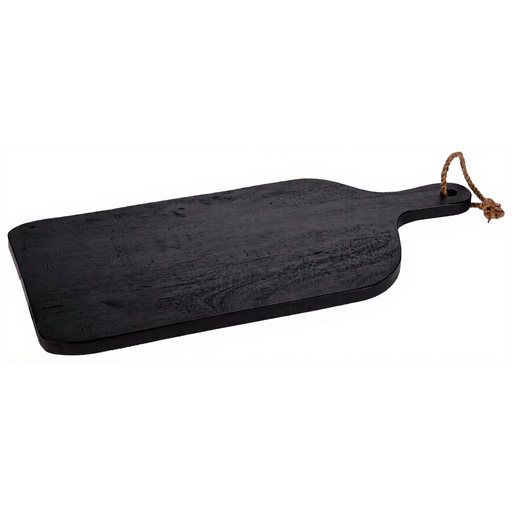
Why it's a good fit: For anyone seeking a functional kitchen tool that also serves as an aesthetic decorative piece. Perfect for serving cheese, charcuterie, or breakfast.
Crafted from solid rubberwood, a material considered blade-friendly that avoids the "blade-dulling trap." The solid construction ensures dimensional stability.
The combination of a generous surface area (58 x 28 cm) and an elegant, dark finish makes it a multifunctional wooden serving board.
We have compiled a complete, up-to-date list of products that meet these strict selection criteria and comply with current regulations.
Proper care is crucial for longevity. Clean the board by hand after each use with warm water and a mild dish soap. Dry it thoroughly with a cloth immediately and store it on its edge to allow air to circulate. Never soak it in water or put it in the dishwasher. To protect the wood from drying out and to prevent cracks, you should regularly (about once a month) treat it with a food-safe conditioning oil (e.g., mineral oil or a special wood care oil).
Both materials can be very hygienic with proper care. Wood, especially hardwood, has a porous structure but contains natural tannins that can inhibit bacterial growth. High-quality bamboo is less porous than wood and therefore absorbs less moisture and bacteria. Ultimately, the deciding factor for hygiene is not the material alone, but consistent and thorough cleaning after every use, especially after contact with raw meat or fish.
Woods with a medium hardness are ideal as they do not excessively wear down the knife's blade. These include maple, beech, oak, cherry, and rubberwood. End grain boards are considered particularly blade-friendly. On these boards, the wood fibres are perpendicular to the cutting surface, allowing the knife blade to slide between the fibres rather than cutting through them. This protects the blade and the board's surface is somewhat "self-healing."