
Lieferung heute & morgen

Qualitätsgarantie

Willkommens-Angebote freischalten: KOSTENLOSE Lieferung | Bis zu 80 % RABATT | Kostenlose 30-Tage-JoyPlus-Testphase
App herunterladen
A high-quality wooden cutting board is more than just a surface—it's an essential tool in any kitchen. But the sheer number of options can be overwhelming, often leading to a purchase that quickly proves impractical. A board that warps, cracks, or dulls your expensive kitchen knives after just a few weeks is a common frustration.
As your Joybuy Product Recommendation Officer, I'm here to help you separate the wheat from the chaff. We'll highlight the critical features that define a great wooden kitchen board and expose the most common pitfalls, ensuring your next purchase is a durable and functional asset for your kitchen.
Many products look great at first glance but reveal their weaknesses only through daily use. Pay close attention to these three points to avoid disappointment:
To find the right wooden board for your kitchen, you should consider three key aspects: the material, the construction, and the functional extras.
The choice of wood directly impacts the longevity of both your knives and the board itself.
The way a board is constructed determines its durability. End grain boards, where the wood fibres face upwards, are particularly knife-friendly and "self-healing" because the blade slides between the fibres. Edge grain boards are also very durable and often more affordable.
Size is just as crucial. A large cutting board (e.g., 40x30 cm or larger) is ideal for preparing entire meals and serves as a sturdy carving board. Smaller models, like a breakfast board, are perfect for cutting fruit or preparing a small snack.
Practical features significantly increase its utility:
Here are some recommendations tailored to different needs and kitchen profiles.

Why it's a great fit: Ideal for anyone seeking a versatile and functional solution for daily use. With three different sizes, there's a board for every task—from chopping onions to serving guests.
The carbonisation of the bamboo reduces moisture absorption, preventing warping. Each board features an integrated juice groove and handles, avoiding common functional shortcomings.
High versatility with three sizes for different tasks. The boards are durable, easy to clean, and equipped with all the essential functional details.
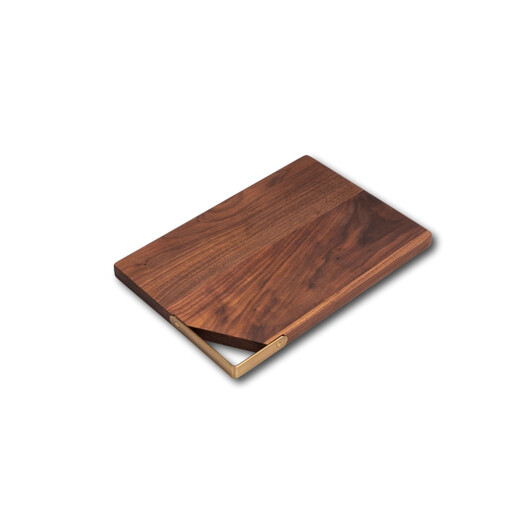
Why it's a great fit: For chefs who value the longevity of their knives and a premium aesthetic. Walnut wood is known for its knife-friendly properties and its dark, elegant grain.
As a solid cutting board made from high-quality walnut, it bypasses the risk of failing glue seams. The material is naturally durable and protects knife blades instead of dulling them.
Excellent knife protection due to the optimal hardness of walnut wood. Its solid construction and premium look make it a durable and stylish kitchen tool.
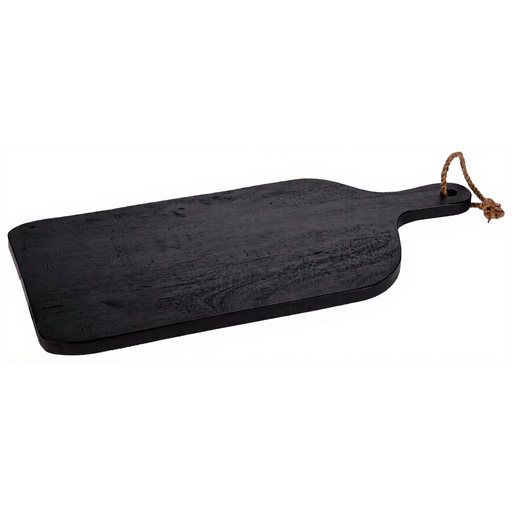
Why it's a great fit: This large and elegantly stained board is a true multi-tasker. It offers ample space for prep work and, thanks to its stylish look and practical handle, instantly transforms into an impressive serving board for cheese, antipasti, or bread.
It combines aesthetics with functionality, making it more than just a decorative serving piece. As a solid rubberwood board, it is stable and suitable for daily use as a cutting surface.
Dual functionality as a large, sturdy work board and an elegant serving platter. The integrated handle with a hanging hole is practical for both handling and storage.
We have compiled a complete, up-to-date list of products that fully meet these strict selection criteria and German safety regulations.
Proper care is crucial for longevity. Clean the board by hand with warm water and mild soap after each use. Dry it thoroughly with a cloth immediately and store it upright to allow air to circulate. Never soak it in water or put it in the dishwasher. To prevent the wood from drying out, you should regularly (about every 4-6 weeks) treat it with a food-safe mineral oil.
There is no single "perfect" wood; the choice depends on your priorities. Hardwoods like walnut, oak, or beech offer an excellent balance of durability and knife-friendliness. Bamboo is a very hard and sustainable option, but it can be tougher on a knife's edge. Rubberwood is particularly gentle on blades.
Yes, it is hygienic when handled correctly. Studies have shown that wood has natural antibacterial properties. The key is to clean the board thoroughly with hot water and soap immediately after it comes into contact with raw meat or poultry. As a precaution, many chefs use a separate board for raw meat and another for vegetables and bread to reliably prevent cross-contamination.