
Lieferung heute & morgen

Qualitätsgarantie

Willkommens-Angebote freischalten: KOSTENLOSE Lieferung | Bis zu 80 % RABATT | Kostenlose 30-Tage-JoyPlus-Testphase
App herunterladen
A good wooden cutting board is more than just a surface—it's a core tool in your kitchen. Yet, the market is flooded with products that look appealing but prove to be impractical or short-lived after only a short time. Certain design flaws and material weaknesses often leave buyers disappointed. This guide shows you what to look for to find a durable and functional wooden board for the kitchen that gets the job done without ruining your knives or wearing out quickly.
Many cutting boards look great in the store but reveal their weaknesses only through daily use. Pay attention to these three points to avoid a bad purchase.
To avoid the problems mentioned above, you should check three key aspects before buying: material, functional features, and size.
The choice of material determines how knife-friendly, durable, and hygienic your board will be.
Practical details make the difference between a good board and a useless one.
Here are some recommendations tailored to different needs and usage scenarios.
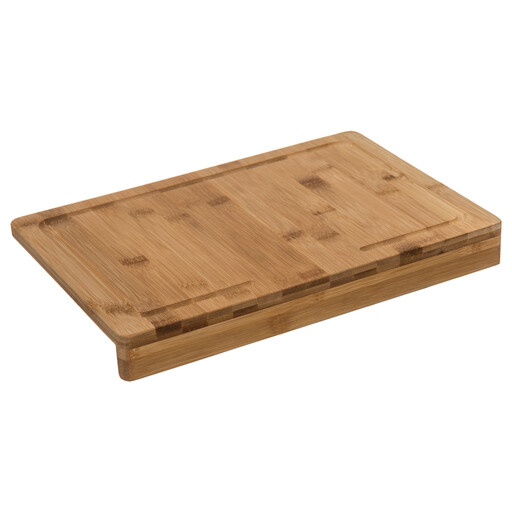
Why it's a good fit: Ideal for daily kitchen tasks. The size is a great compromise between sufficient workspace and easy handling. The bamboo material is robust and low-maintenance.
This board avoids the impractical design trap with its integrated juice groove, which reliably catches liquids and keeps your work surface clean.
A combination of durable bamboo and a functional design with a juice groove for clean work.
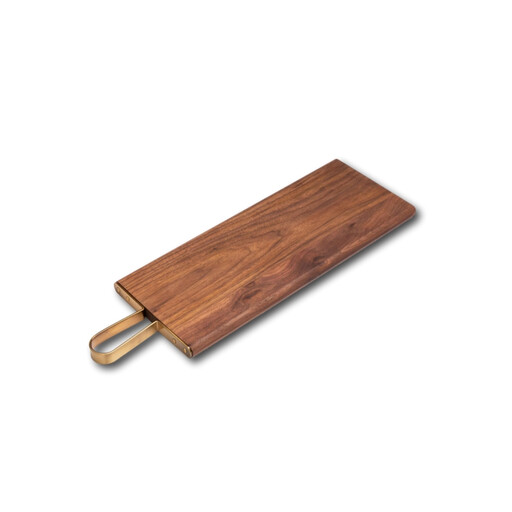
Why it's a good fit: Perfect for anyone looking for a functional cutting board that doubles as a stylish cheese board or wooden serving board. The high-quality walnut wood and elegant design with a long handle make it a centrepiece on any table.
This board avoids the wrong material trap. Walnut is an elegant and durable hardwood that is ideal for both preparation and serving, exuding a premium quality.
An elegant look thanks to dark walnut wood and a multifunctional design that combines cutting and serving.
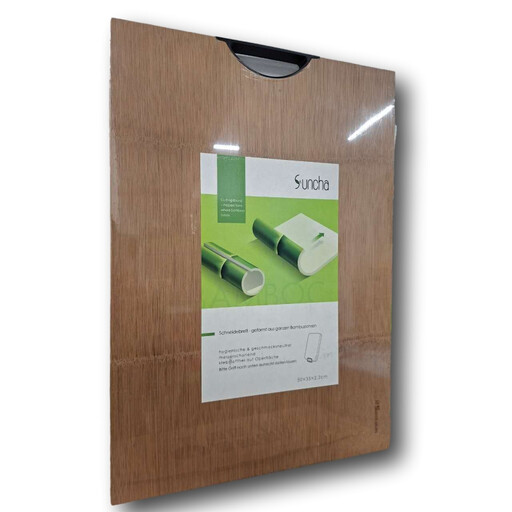
Why it's a good fit: For home chefs who cook frequently and in large quantities. This large cutting board offers a huge 50 x 35 cm work surface. The thickness of 2.6 cm provides extreme stability, ideal for heavy-duty chopping or rolling out dough.
It solves the problem of boards that are too small and unstable. Its solid bamboo construction also prevents issues with glue seams and warping.
Maximum workspace and high stability for demanding kitchen tasks. The integrated handle makes it easy to manage despite its size.
We have compiled a complete, up-to-date list of products that fully meet these strict selection criteria and safety standards.
Proper care is crucial for longevity. After use, clean the board by hand with warm water and mild dish soap. Dry it thoroughly with a cloth immediately and store it upright to allow air to circulate. Never put a wooden board in the dishwasher, as the heat and moisture will lead to cracks and warping. Treat the wood regularly (about every 4-6 weeks) with a food-safe mineral oil to protect it from drying out.
As a rule, dense hardwoods are a great choice. These include acacia, oak, beech, maple, or walnut. These materials are robust enough to withstand daily use but are also forgiving enough to preserve the sharpness of your knives. Bamboo is also a popular and durable option. Softwoods like pine or spruce are less suitable for cutting, as they develop deep gouges too quickly.
Yes, it is safe to do so with proper handling. Wood, especially hardwood, has natural antibacterial properties. Hygiene is key: clean the board thoroughly with hot water and dish soap immediately after contact with raw meat or fish. To reliably prevent cross-contamination, it is recommended to use a separate board exclusively for raw meat and poultry, and another for vegetables, fruits, and bread.