
Lieferung heute & morgen

Qualitätsgarantie

Willkommens-Angebote freischalten: KOSTENLOSE Lieferung | Bis zu 80 % RABATT | Kostenlose 30-Tage-JoyPlus-Testphase
App herunterladen
Wooden games for children often seem straightforward: few materials, simple shapes and no battery compartment. Even so, making an imprecise choice can quickly lead to a disappointing purchase. Games are often bought because they look appealing, but they do not suit the child’s age, motor skills or actual playing situation.
Parents, grandparents and education professionals should watch out for three common pitfalls before buying:
With a wooden puzzle from 12 months, large, easy-to-grip pieces and firmly attached handles are essential. For children under three, small parts are considered a potential choking hazard. Even when a game has an official age recommendation, it should be checked before every use for loose knobs, splinters, sharp edges or damaged surfaces.
A wooden stacking game with larger figures may be suitable for older toddlers. However, if it contains small balls, dice or playing pieces, the age limit must be checked carefully. Close supervision is particularly advisable if the child still frequently puts objects in their mouth.
Look for:
The CE marking is mandatory for toys in the EU. However, it does not replace checks by adults. Information about the EN 71 series of standards or the materials used can also help when making a purchase decision. For products intended for children under 36 months, warnings about small parts and chemical components should be read particularly carefully.
Educational wooden toys, wooden learning games and fine motor skills toys should match the child’s current stage of development. For example, an inset puzzle helps children learn to match shapes and develop their grip. A magnetic maze already requires greater hand-eye coordination. Strategy games for children and more complex board games for children, on the other hand, are generally more suitable for older children and shared play sessions.
Before buying, check:
This makes it more likely that you will find a game that is genuinely used in family life, rather than one that serves merely as a decorative gift idea.
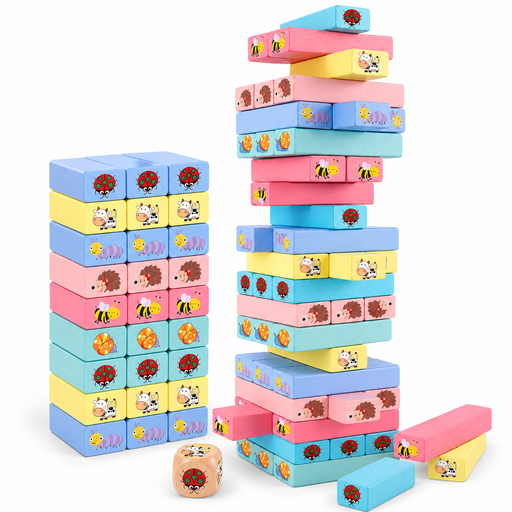
Why this product suits the profile: The set contains 51 pieces and a die. It allows children to stack, sort and play balancing games and, according to the product information, is intended for children aged 3 and over.
The number of pieces and the versatile playing options are clearly stated. The age limit of 3 years and the warning about small parts should be taken into account before buying.
51 wooden pieces, animal motifs and a die; suitable for creative constructions and skill games for children aged 3 and over.
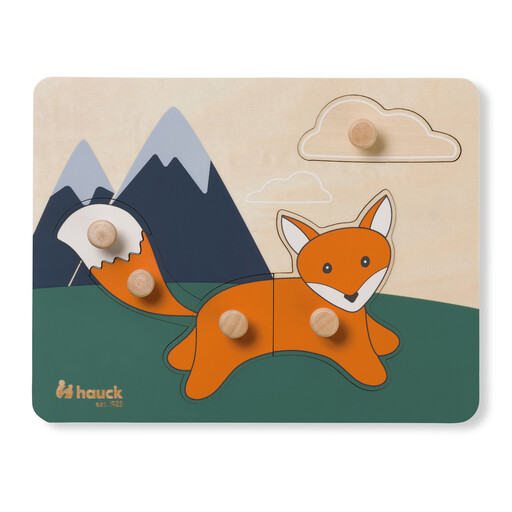
Why this product suits the profile: The puzzle is specified for children from 12 months, is made from FSC-certified wood according to the product description, and has rounded edges and child-friendly wooden handles.
The recommended age, material and product dimensions of 22 × 17 × 2 cm are clearly stated. This makes it easier to check the product before buying and storing it.
Large handles, animal-shaped puzzle pieces and FSC-certified wood; suitable as a first wooden puzzle from 12 months.
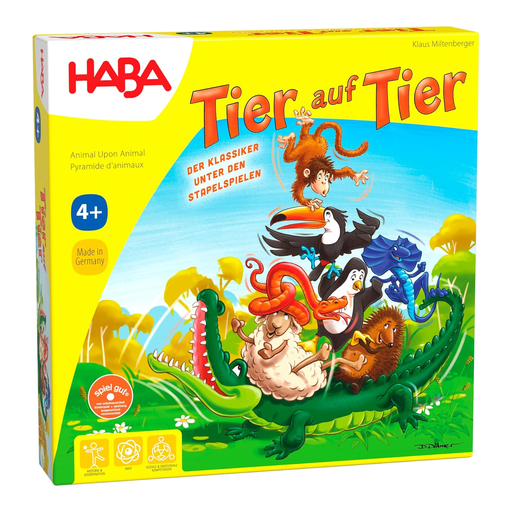
Why this product suits the profile: The game is designed for 2 to 4 players aged 4 and over and, according to the product description, can also be played alone. This makes it suitable for families and educational playgroups.
The number of players and age limit are clearly stated. The warning about small parts makes it clear that the game is not intended for children under 3.
Wooden figures, play for 2–4 people and a solo option; stacking requires controlled movements and concentration.
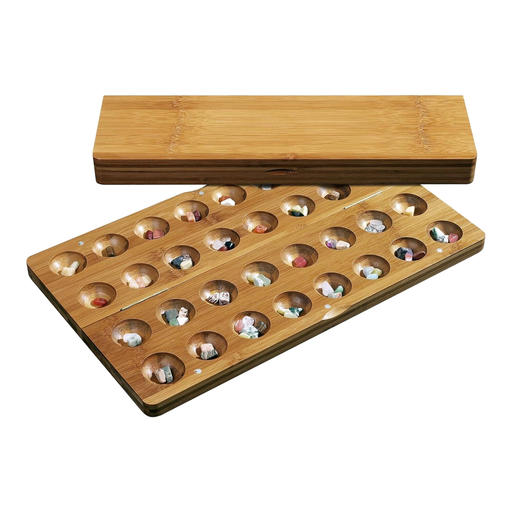
Why this product suits the profile: This traditional game is intended for two players aged 6 and over and includes a bamboo board, 64 natural stones and instructions in several languages.
The recommended age, number of players, board dimensions of 47.5 × 28 × 2 cm and contents are all specified. The small stones require safe storage.
Bamboo board, 64 coloured natural stones and multilingual instructions; suitable as a strategy game for children aged 6 and over and adults.
We have put together a complete, regularly updated list of products that fully meet these strict selection criteria and the safety regulations applicable in the EU.
Durability depends not only on the type of wood, but also on how the game is used. Wipe wooden toys with a slightly damp cloth and dry them afterwards. Many products should not be soaked in water or cleaned in the dishwasher. Store playing pieces and figures somewhere dry and clean, keeping them together as far as possible.
Check regularly for:
A defective game should no longer be used. This applies particularly to wooden Montessori toys, magnetic games, marble runs and other products with small moving components.
Simple inset and matching games with large pieces are suitable for this age. According to the product information, the hauck Wooden Baby Puzzle is intended for children from 12 months and has large wooden handles. An adult should still remain with the child and check the pieces regularly.
Depending on their design, they can involve controlled gripping, sorting, hand-eye coordination, concentration, or recognising shapes and colours. This does not automatically make them educational. What matters is whether the task, level of difficulty and playing time are right for the child.
Wooden games can remain usable for a long time when they are well made and properly cared for. The material alone does not guarantee a longer lifespan, however. Construction, surface treatment, use, storage and regular safety checks are equally important.