
Lieferung heute & morgen

Qualitätsgarantie

Willkommens-Angebote freischalten: KOSTENLOSE Lieferung | Bis zu 80 % RABATT | Kostenlose 30-Tage-JoyPlus-Testphase
App herunterladen
A wooden garden bench is more than just a place to sit—it's a spot for relaxation, a gathering point for family and friends, and a stylish element that enhances your outdoor space. However, choosing the right model can be a challenge given the variety of sizes, wood types, and designs. This article serves as a guide to make your decision easier. We will introduce various models and provide practical tips to help you find the perfect wooden bench for your garden, patio, or balcony.
To make an informed decision, you should consider a few fundamental criteria. These factors determine not only the appearance but also the durability and functionality of your new garden bench.
The dimensions of the bench should be based on the available space and its intended use.
In addition to the width, pay attention to the seat depth and the height of the backrest. An ergonomically designed garden bench with a backrest significantly increases seating comfort, especially for extended periods.
The material is crucial for weather resistance and the amount of maintenance required. Hardwoods are particularly well-suited for outdoor use due to their density and natural oil content.
Look for certifications like the FSC (Forest Stewardship Council) seal. It ensures that the wood comes from responsibly managed forests.
In addition to the primary function of seating, additional features can enhance a garden bench's utility. A garden bench with a table, where the middle seat element can be folded down to create a small surface, offers practical convenience for drinks or a book.
The colour scheme also plays a role in the atmosphere. A classic wooden garden bench in natural tones blends harmoniously into its surroundings, while a white garden bench adds an elegant, Scandinavian-style accent.
Based on the criteria mentioned, we have compiled a selection of garden benches that stand out for their materials, design, and functionality.
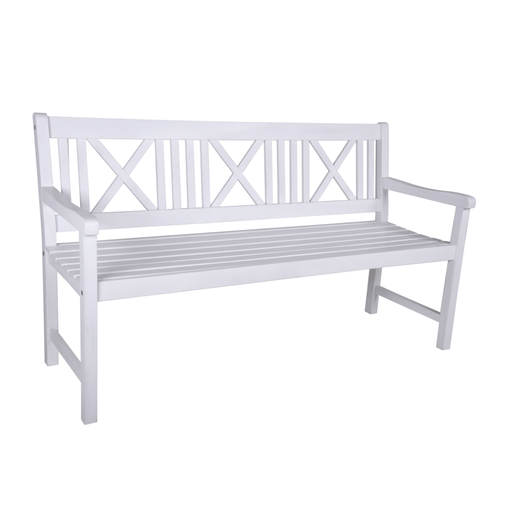
What makes it stand out: The MALM? bench combines a generous seating area for three people with a bright, welcoming design. The white-glazed finish gives it a timeless aesthetic that fits well into various garden designs.
Features at a glance:
Who is this model for? This model is an excellent choice for users looking for a spacious and stylish seating option for their patio or a larger garden. The light colour scheme is particularly well-suited to a Scandinavian or country house style.
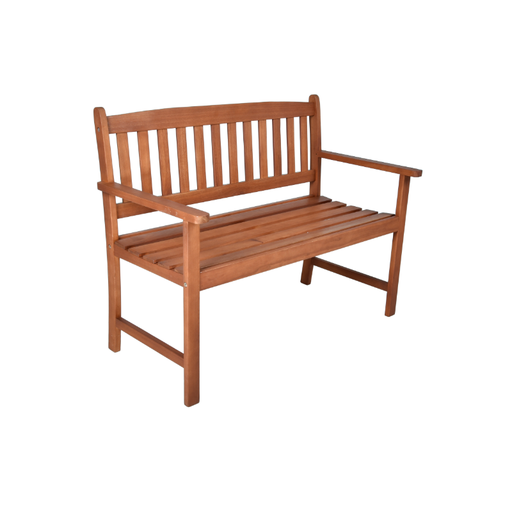
What makes it stand out: The PROMOTION bench is a compact 2-seater that impresses with its natural appeal and sturdy construction. The oiled finish highlights the grain of the eucalyptus wood while protecting it from the elements.
Features at a glance:
Who is this model for? Ideal for those seeking a space-saving, yet stable and comfortable wooden bench for the garden or balcony. The natural wood tone blends unobtrusively into any green oasis.

What makes it stand out: This model is a prime example of multifunctionality. The wide bench made of solid acacia wood can be transformed in an instant: the middle backrest can be folded up to become a practical table. This turns a 3-seater into a seating arrangement for two with an integrated surface.
Features at a glance:
Who is this model for? Perfect for anyone who values flexibility. Whether for coffee for two or a social gathering with friends, this garden bench with a table adapts to your needs and combines seating comfort with practical utility.
The models presented offer a good insight into the possibilities that a wooden garden bench can provide. If you wish to consider other designs, materials, or sizes, you can find a wider selection in our garden furniture and accessories category.
Discover more outdoor accessories and garden furniture here
Care depends on the type of wood and the surface treatment. As a general rule, clean the bench regularly with a soft brush and mild soapy water to remove dirt and debris. For oiled woods like eucalyptus or acacia, it is recommended to refresh the protective layer once or twice a year with a suitable maintenance oil. Lacquered benches are easier to care for but should be checked for cracks in the finish to prevent moisture from penetrating.
Hardwoods such as teak, acacia, eucalyptus, or robinia are very well-suited for outdoor use due to their density and natural content of oils and resins. They offer high natural resistance to moisture, pests, and fungal decay, making them a durable choice for a weatherproof garden bench. Softwoods like pine or spruce are usually more affordable but require thorough treatment and regular maintenance to remain weather-resistant over time.
Yes, eucalyptus wood is considered a weather-resistant wood. Its high oil content repels water and protects the wood from rot. To maintain this property long-term and protect the wood from greying due to UV radiation, a eucalyptus garden bench should be regularly treated with a special hardwood oil. Without this care, the wood will develop a silvery-grey patina over time, which does not, however, affect its stability.