
Lieferung heute & morgen

Qualitätsgarantie

Willkommens-Angebote freischalten: KOSTENLOSE Lieferung | Bis zu 80 % RABATT | Kostenlose 30-Tage-JoyPlus-Testphase
App herunterladen
A frying pan with a wooden handle combines a rustic aesthetic with modern kitchen functionality. However, behind the appealing design, there are often pitfalls that only become apparent during daily use. Many buyers quickly find that the handle wobbles, the coating deteriorates, or the pan doesn't work on their hob. This guide will show you the crucial features to look for to make an informed purchasing decision and avoid buyer's remorse.
Before you decide on a model, you should be aware of the typical weak points that often only surface after a few weeks of use.
To avoid these pitfalls, focus on three core technical features. These determine the longevity, functionality, and safety of your new frying pan.
The material of the pan's body affects heat distribution, weight, and responsiveness. A lightweight frying pan made from an aluminium alloy is often a great choice here. Aluminium conducts heat quickly and very evenly from the base to the rim. This ensures uniform cooking results without "hot spots" where food burns while it's still raw elsewhere. Look for a sufficient material thickness that prevents warping at high temperatures but still keeps the pan light enough for one-handed operation.
The term pan with a marble coating usually refers to a multi-layer, PTFE-based non-stick seal to which mineral particles have been added for visual enhancement. What's crucial is not the look, but the quality and scratch resistance of the coating. A high-quality seal allows for cooking with very little oil and is easy to clean – often, simply wiping it with a paper towel is enough. To maximise its lifespan, only use cooking utensils made of wood, silicone, or plastic.
Its suitability as a pan for induction depends entirely on the base. It must contain a ferromagnetic layer so that the magnetic field of the hob can generate heat. You can tell if a pan is induction-compatible by the coil symbol (a stylised spiral) on the pan's base or in the product description. A simple test: if a magnet sticks to the bottom of the pan, it is suitable for induction hobs. A solid, machine-levelled base also ensures optimal energy transfer and prevents wobbling on ceramic and gas hobs.
Here are some recommendations tailored to different needs and household sizes that meet the quality criteria mentioned.

Why This Fits Their Persona: With a 26 cm diameter, this pan is the ideal size for preparing meals for two to four people. It's versatile enough for searing meat, sautéing vegetables, or making pancakes on the weekend.
The wooden handle is securely attached and heat-insulated. The induction-ready base and robust marble-look non-stick coating directly address the most common weak points.
The combination of a lightweight aluminium alloy and fast, even heating makes it an efficient and easy-to-handle all-round pan for daily use.
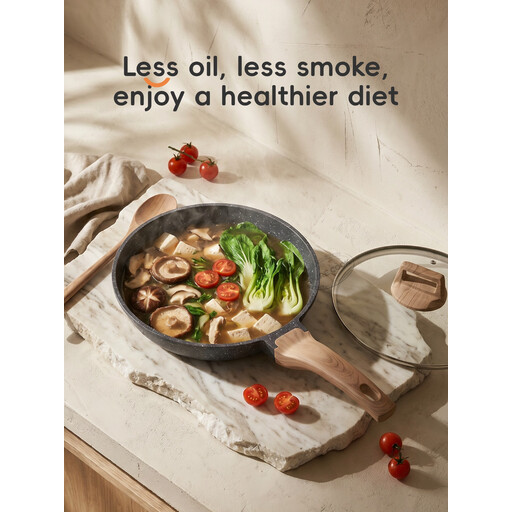
Why This Fits Their Persona: Perfect for a quick fried egg, searing a single chicken breast, or for side dishes. Its compact size saves space on the hob and in the cupboard, ideal for smaller kitchens and one- to two-person households.
Despite its smaller size, there are no compromises on quality: it also features an induction-compatible base and a durable non-stick coating.
The included glass lid expands its uses for steaming or braising and allows you to visually monitor the cooking process without letting heat escape.
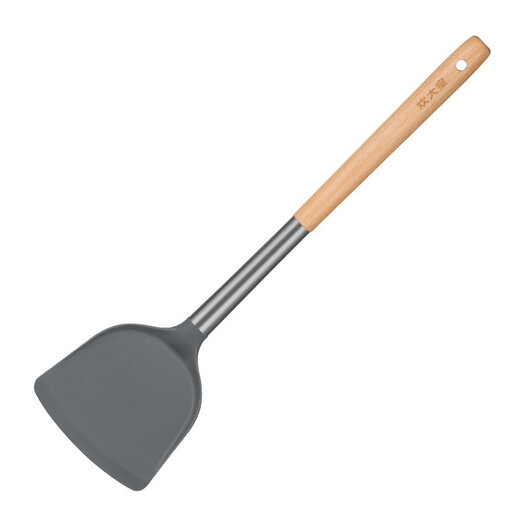
Why This Fits Their Persona: Anyone who invests in a good non-stick pan wants to maximise its lifespan. This set is the ideal accessory to protect the delicate coating from scratches caused by metal utensils.
It actively prevents the most common cause of deteriorating non-stick performance: scratches. The soft silicone heads glide gently over the surface without damaging it.
The set is heat-resistant, BPA-free, and the waterproof wooden handles are a perfect visual match for the recommended pans. A smart addition for long-lasting kitchen equipment.
We've compiled a complete, up-to-date list of products that fully meet these strict selection criteria and European safety regulations.
1. How do you properly care for a frying pan with a wooden handle? A pan with a wooden handle should never be put in the dishwasher. The aggressive detergents and high heat can dry out, swell, or crack the wood. Clean the pan by hand with a soft sponge and mild washing-up liquid. Dry the handle thoroughly immediately after washing. Occasionally rubbing the wooden handle with a food-safe conditioning oil can help keep the material supple.
2. Is an aluminium pan with a marble coating safe? Yes, modern non-stick coatings, including those with a marble look, are considered safe when used correctly. They are typically PTFE-based and PFOA-free, in line with EU regulations. It is important not to overheat the pan when empty and not to use sharp metal objects in it to avoid damaging the seal.
3. Can I put my frying pan with a wooden handle in the oven? No, as a rule, frying pans with wooden handles are not oven-safe. Wood is a natural material that can dry out, crack, or even char at the high temperatures in an oven. Always check the manufacturer's instructions, but as a general principle, assume that wooden handles are not suitable for use in the oven.