
Lieferung heute & morgen

Qualitätsgarantie

Willkommens-Angebote freischalten: KOSTENLOSE Lieferung | Bis zu 80 % RABATT | Kostenlose 30-Tage-JoyPlus-Testphase
App herunterladen
A knife with a wooden handle can be used in the kitchen, for DIY tasks, creative projects or events. However, the product name alone reveals little about workmanship, safety or durability. A wooden handle may be made from solid wood, coated wood or pakkawood, while blades also vary considerably.
Anyone who focuses only on a rustic appearance or low price can easily overlook important details. Three typical buying pitfalls are:
With a kitchen knife with a wooden handle, the connection between the handle and blade should be sturdy. Rivets, a full tang or a clearly described handle construction provide more useful information than a simple colour description such as “wood effect”.
Pakkawood, for example, is a processed wood material described as moisture-resistant for certain kitchen knives. Natural wood, on the other hand, can be more sensitive to prolonged soaking, high humidity and the dishwasher. Therefore:
For choosing a knife, blade material and blade shape are more important than appearance. Stainless steel is more resistant to corrosion than unprotected steel, but it still requires care. The COOKER KING cleaver, for example, is listed as featuring 7Cr17MoV stainless steel with a hardness of 58 ± 2 HRC, according to the supplier. The HRC rating describes the hardness of the material, not necessarily its actual cutting performance in everyday use.
A Santoku knife with a wooden handle is typically suitable for slicing, dicing and chopping vegetables, as well as many general kitchen tasks, thanks to its broader blade shape. A heavier stainless-steel cleaver is better suited to more forceful cutting. For bread, meat, vegetables or precision work, buyers should therefore look beyond claims that a knife is simply “sharp” and consider:
A knife set for the kitchen and household can be more economical when several blade shapes are required. For a single task, however, an individual knife is often easier to assess. With a wooden knife set or disposable wooden cutlery, the key considerations are the quantity supplied and whether it is suitable for the planned foods.
Disposable wooden knives are intended for soft foods, spreads, picnics and events. They are not a replacement for a reusable chef’s knife. For DIY tasks, a folding knife with a wooden handle and replacement blades is more suitable than a kitchen knife, as cardboard, carpet, plastic and leather have different requirements.
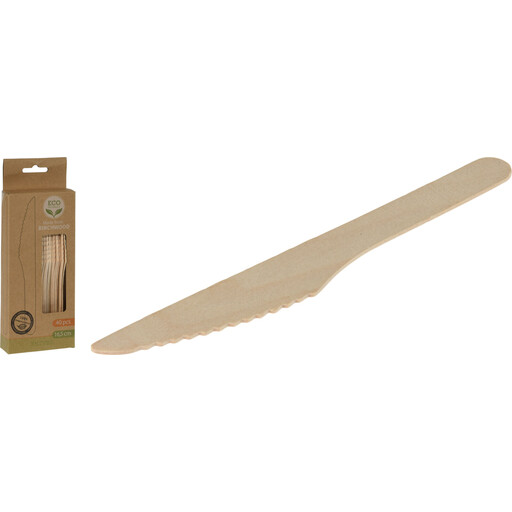
Why this product suits this profile: The 40-piece set is designed for households, picnics and events where a larger quantity of disposable cutlery is needed.
The quantity is clearly stated, reducing the risk of planning too little cutlery for a celebration. It is intended for single use.
40 wooden knives in a natural colour; according to the product description, biodegradable and intended for parties, catering and use on the go.
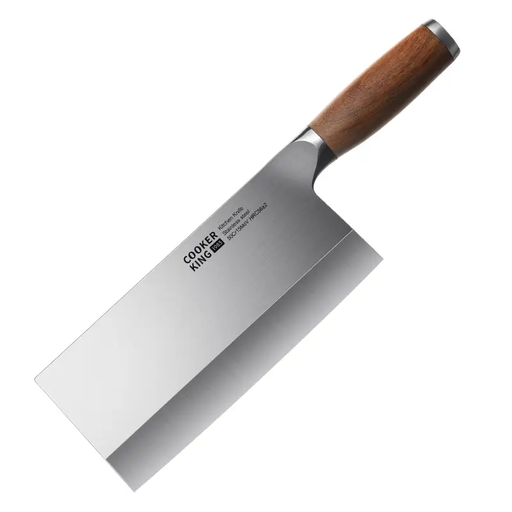
Why this product suits this profile: This knife is designed for users looking for a heavier kitchen tool for meat, vegetables and demanding cutting tasks.
The description specifies the blade steel, hardness range, 15° double bevel and riveted full-tang construction. This makes the key buying information easy to verify.
7Cr17MoV stainless steel, 7-inch blade, 58 ± 2 HRC according to the product information, and a moisture-resistant pakkawood handle.
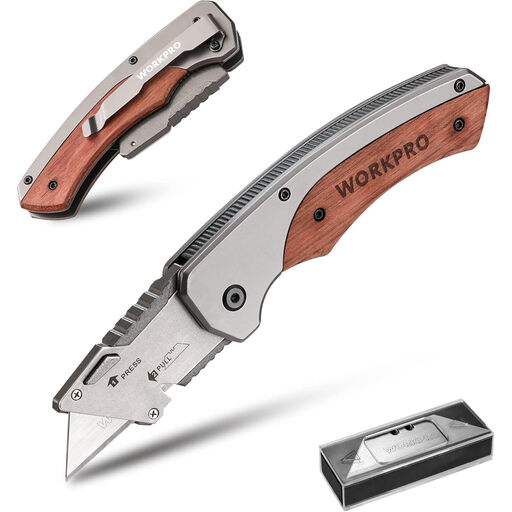
Why this product suits this profile: For DIY, packaging, craft work and mobile use, this folding knife offers a different set of capabilities from a kitchen knife.
The liner lock, blade guard, belt clip and quick-change mechanism are all clearly specified. The spare blades help reduce ongoing costs for frequent cutting.
Mahogany wood handle, 60-mm SK5 blade, one blade fitted and ten additional blades, plus a foldable design.
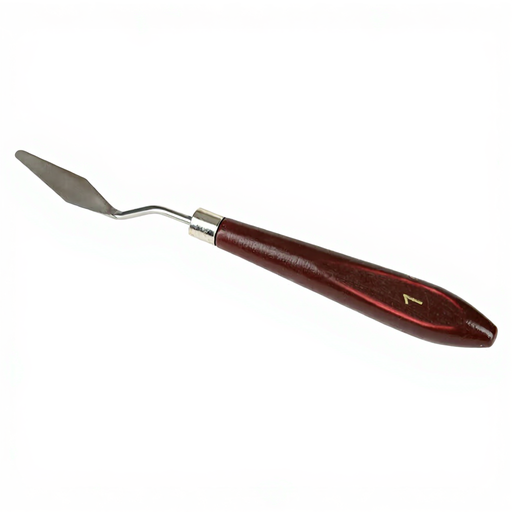
Why this product suits this profile: This palette knife set is designed for painters, modellers and crafters working with paints, modelling compounds or ceramics.
The five different shapes make the contents clear. This helps prevent you from accidentally buying a single tool for several texturing tasks.
Wooden handles, metal applicators, five shapes and suitability for acrylic paints, mixing, modelling and ceramic work according to the product description.
We have put together a complete, regularly updated list of products that fully meet these strict selection criteria and the safety regulations applicable in the EU.
That depends on the specific handle construction. Natural wood can swell or dry out when exposed to heat, water and cleaning products. Unless expressly approved, a knife with a wooden handle should be washed by hand, dried immediately and stored in a dry place.
Its service life depends on the blade steel, use, cleaning and storage. With regular care and occasional resharpening, a reusable kitchen knife can be used for a long time. Disposable wooden knives, on the other hand, are intended for a single use. With folding knives, blunt blades should be replaced and the locking mechanism checked regularly for dirt.
Not necessarily. The source of the materials, production methods, transport distances and disposal all affect the environmental impact. For disposable products, local authority disposal rules are also decisive. If you are looking for sustainable cutlery, compare the specific material information, intended use and local disposal requirements.