
Lieferung heute & morgen

Qualitätsgarantie

Willkommens-Angebote freischalten: KOSTENLOSE Lieferung | Bis zu 80 % RABATT | Kostenlose 30-Tage-JoyPlus-Testphase
App herunterladen
A wooden high chair that grows with your child is an investment meant to last your family for years. However, the market is crowded, and many products fail to deliver on their promises. Before you make a decision, it's crucial to understand the common pitfalls that often only become apparent after several months of use.
The three most common problems when choosing a high chair are:
To avoid these issues, you should base your purchasing decision on objective criteria.
Instead of being swayed by marketing promises, focus on three verifiable features that determine a high chair's quality and longevity.
A stable base is the most important criterion. Look for a wide footprint and a solid construction that prevents tipping, even when your child moves around a lot. A key indicator of tested safety is compliance with the EN 14988 standard. This standard specifies requirements for the stability, materials, and safety of high chairs. For a high chair for babies 6 months and up, a harness system (e.g., a 3-point or 5-point harness) is also essential to prevent the child from slipping out.
A true convertible high chair is distinguished by its flexible and simple adjustability. Ideally, the seat and footrest can be adjusted in small increments or steplessly. This is the only way the chair can be adapted to your child's specific growth stage and promote an ergonomically correct posture: thighs rest horizontally on the seat, lower legs form a right angle, and feet are flat on the footrest. Also, check the maximum weight capacity. Values of 70 kg or more indicate a durable construction that can be used into the teenage years.
Not all wood is created equal. Solid wood like beech or bamboo is generally more durable and stable than MDF boards. Look for a high-quality varnish or coating. This not only protects the material from moisture but also makes cleaning significantly easier—a crucial factor in daily life with toddlers. An adjustable children's high chair with smooth, wipeable surfaces saves time and ensures necessary hygiene.
Based on these objective criteria, we have identified several models that are suitable for different needs and life situations.
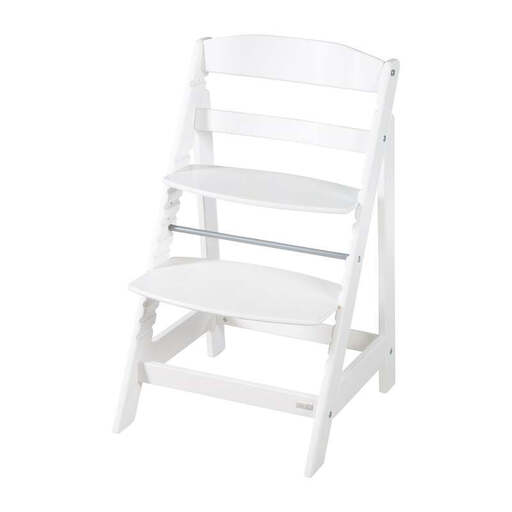
Why it's a good fit: Ideal for families looking for a durable and functional solution without a premium budget. The chair focuses on the core functions of a grow-along model and offers solid value for money.
The chair comes with a safety bar and harness system, so there are no hidden extra costs for basic safety. The wooden construction and adjustable panels ensure stability and long-term use.
High weight capacity of up to 70 kg (depending on the colour variant) and easy conversion from a baby high chair to a youth chair. Available in various colours like white, natural, or anthracite.
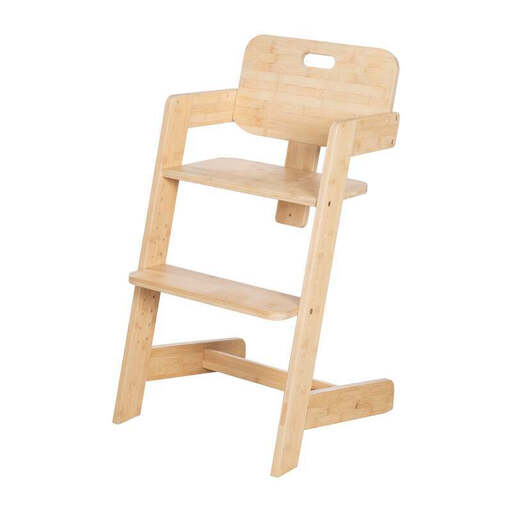
Why it's a good fit: For parents who value modern aesthetics and sustainable materials. This chair blends seamlessly into contemporary kitchen-diners and combines design with ecological awareness.
The solid bamboo construction ensures high stability and durability. The model meets the current safety standard EN 14988:2017+A1:2020. The tray is included and removable.
Made from 100% FSC-certified bamboo. The removable tray offers flexibility for use at the family table or as a standalone chair. Supports up to 70 kg.
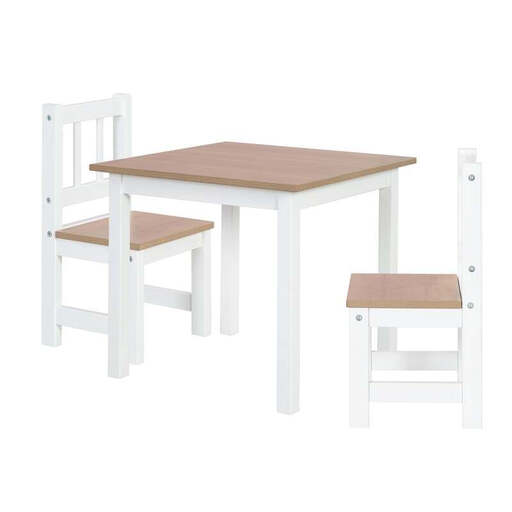
Why it's a good fit: An alternative or supplement to the high chair for toddlers aged 18 months and up. This wooden children's table and chair set creates a dedicated space for painting, crafting, and eating at a child-friendly height.
This set is specifically designed for the needs of toddlers, offering a stable, age-appropriate seating solution that promotes independence. It bypasses the complexity of adjustable high chairs during a phase when children need more freedom of movement.
Extremely robust and easy-to-clean surfaces thanks to a melamine resin coating. The seat height of 25.5 cm is ideal for children from 18 months. The set meets the safety standard EN71-1:2014.
We've compiled a complete, up-to-date list of products that fully meet these strict selection criteria and German safety regulations.
A grow-along high chair is generally suitable from around six months of age, as soon as your child can sit upright independently without assistance. In this initial phase, using the included safety bar and harness system is crucial for ensuring safety. Correctly adjusting the seat and footrest promotes a healthy posture right from the start.
For daily cleaning, a damp cloth is usually sufficient. Do not use harsh or abrasive cleaning agents, as they can damage the varnish and the wood. For stubborn messes, a mild soap solution can help. Always wipe the chair dry afterwards. Removable high chair accessories like trays or silicone mats are often dishwasher-safe, which significantly simplifies cleaning.
That depends on your needs. Many convertible high chairs are designed to be pushed directly up to the dining table. This encourages the child's integration into family meals. However, a model with its own tray offers more flexibility. It allows the chair to be placed freely in the room, for example, in the kitchen while you cook or in the living room for playtime. Some models offer the tray as an optional accessory, while for others, it is already included.