
Lieferung heute & morgen

Qualitätsgarantie

Willkommens-Angebote freischalten: KOSTENLOSE Lieferung | Bis zu 80 % RABATT | Kostenlose 30-Tage-JoyPlus-Testphase
App herunterladen
A wooden high chair that grows with your child is an investment meant to serve a family for many years. It promises durability, stability, and the invaluable integration of your child at the family table. However, the market is flooded with models whose differences only become apparent through daily use. Certain design flaws or exaggerated marketing claims can render a chair impractical or even unsafe after just a few months.
As your Joybuy Product Recommendation Officer, I'm here to help you identify these pitfalls. We will focus on the objective criteria that define a truly functional and safe high chair.
The 3 Most Common Pitfalls When Buying a Wooden High Chair:
To make an informed decision, you should focus on three core parameters that determine the longevity and functionality of your high chair.
A safe high chair is the top priority. Look for compliance with the European safety standard EN 14988. This standard specifies requirements for construction, stability, and the materials used.
The true strength of a grow-with-me model lies in its adjustability. A typical stair-step high chair allows for separate adjustment of the seat and footplate.
A wooden baby high chair is not only aesthetically pleasing but also very sturdy when properly manufactured.
Instead of making a one-size-fits-all recommendation, we have identified models tailored to different needs and lifestyles.
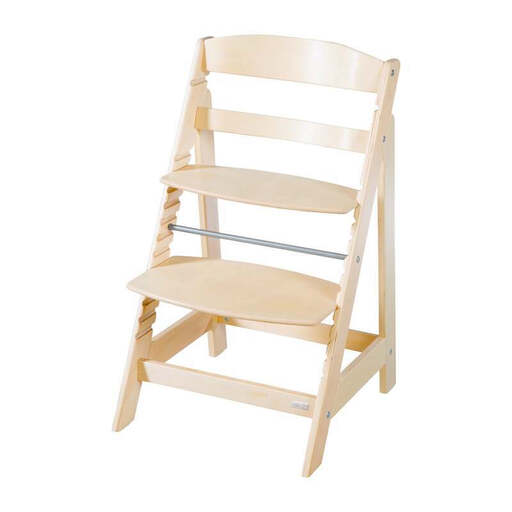
Why it's a great fit: It focuses on the core functions of a wooden grow-with-me high chair—adjustability and solid wood construction—at an accessible price point without compromising on safety.
The proven stair-step wooden construction offers excellent stability and minimises the risk of tipping. Adjusting the seat and footrest is straightforward and designed for long-term use.
Offers a high weight capacity of up to 50 kg and a classic, durable design that has stood the test of time. A reliable companion from infancy through childhood.
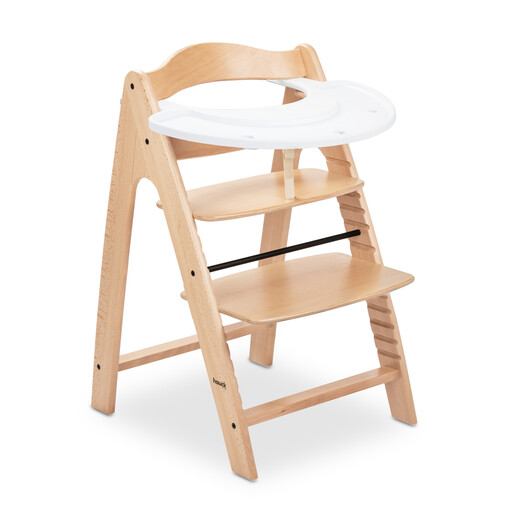
Why it's a great fit: It combines eco-friendly materials (FSC-certified beechwood, according to the manufacturer) with a thoughtful, modern design and an exceptionally high weight capacity for an extremely long lifespan.
The anti-tip construction with floor runners actively prevents it from toppling, even if the child pushes off from the table. Its 13 adjustment levels guarantee precise, ergonomic customisation for many years.
Extremely high weight capacity of up to 130 kg, allowing it to be used well into adulthood. The included play tray adds practical value for keeping the child engaged.

Why it's a great fit: This 6-in-1 system adapts not only to the child's size but also to various use cases—from a high chair at the dining table to a small chair for the playroom.
It offers a thoughtful solution for different life stages, rather than being a rigid chair that becomes impractical after a few years. The easy-to-clean leatherette cover resists stains better than untreated wood.
Six conversion options in one product offer unparalleled versatility. The removable double tray and non-slip legs enhance its everyday practicality.
We have compiled a complete, up-to-date list of products that fully meet these strict selection criteria and European safety regulations.
A high chair from 6 months is a common recommendation. However, the key prerequisite is that your child can sit upright independently and with stability. For most children, this happens between the sixth and eighth month. In the early stages, a seat reducer can provide additional support and comfort.
The correct setup is crucial for both ergonomics and safety. Follow these two simple rules:
A removable tray offers the most flexibility. During the first few months, when a child is learning to self-feed, a personal tray is practical because it's easy to clean and allows the chair to be placed independently of the dining table. Once the child is old enough to eat directly at the family table, you can simply remove the tray. This allows the chair to be pushed right up to the table, promoting social inclusion.