
Lieferung heute & morgen

Qualitätsgarantie

Willkommens-Angebote freischalten: KOSTENLOSE Lieferung | Bis zu 80 % RABATT | Kostenlose 30-Tage-JoyPlus-Testphase
App herunterladen
By the Joybuy Product Recommendation Officer, August 28, 2026
Wooden home accessories bring a natural warmth and timeless elegance to any room. However, the market can be overwhelming, and not every product that looks natural is a durable and worthwhile investment. Before you invest in new wooden decor, it's crucial to understand the common pitfalls that often lead to disappointment. Many buyers only discover after a few months that their new piece is cracking, warping, or that its surface reacts poorly to everyday use.
This guide will help you separate the wheat from the chaff. We'll highlight the most common problems and show you which objective criteria to look for to find high-quality and suitable wooden home accessories for your home.
To make an informed decision, you should check three core parameters. These will help you objectively assess a product's quality and suitability before you buy natural decor.
The choice of wood is fundamental. Hardwoods like oak, walnut, or acacia wood are dense, robust, and resistant to scratches. They are ideal for high-use items like an acacia wood cheese board or functional furniture. Softwoods like pine or spruce are lighter and more affordable, but also more susceptible to dents and wear. They are a good choice for purely decorative objects in less-used areas.
The treatment of the wood surface protects the material and determines the maintenance effort.
Look for clean joints and smooth surfaces. For a wooden wall organiser, the stability of the fixtures and the load-bearing capacity of the individual elements are crucial. Products made from a single, solid piece are often more durable than glued ones. Check that edges are cleanly sanded and rounded to prevent splintering.
Based on these criteria, we have selected a few products that suit different needs and interior styles, from Scandinavian decor to rustic home accessories.
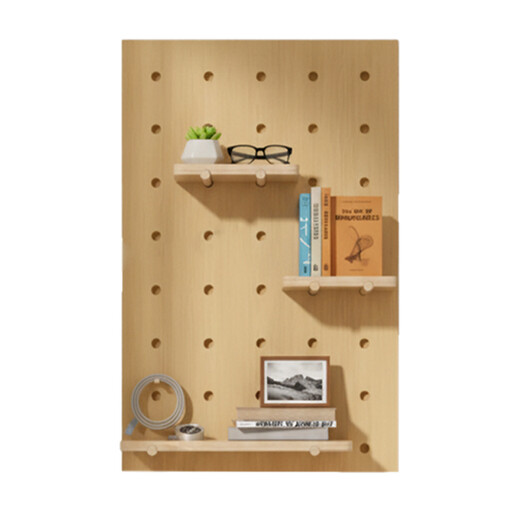
Why it's a great fit: Ideal for anyone looking for a flexible and aesthetically pleasing storage solution for the office, kitchen, or hallway. It combines functionality with the warm appeal of natural wood.
The solid wood construction bypasses the trap of unstable MDF boards. It provides a robust base that reliably supports even heavier items without bending.
The modular peg system allows for a customisable and easily adjustable arrangement of shelves and hooks. The dimensions of 40 cm × 60 cm offer ample space.
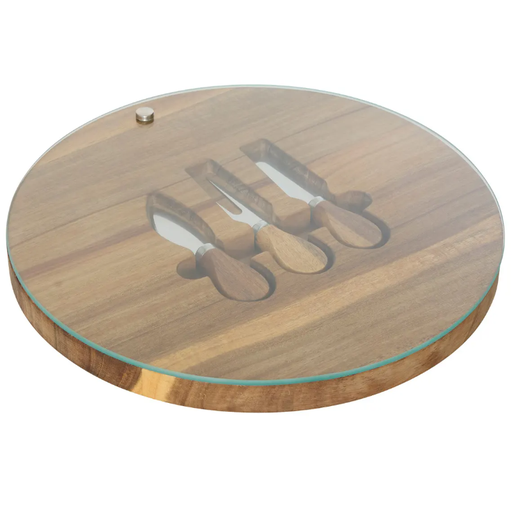
Why it's a great fit: Perfect for serving cheese, charcuterie, or snacks. It's a functional yet decorative element for social gatherings and elevates any table setting.
By using acacia wood, it avoids the pitfall of an unsuitable material. This hardwood is cut-resistant, moisture-resistant, and durable—unlike softer woods.
The generous 30 cm diameter provides plenty of space for creative arrangements. The natural grain of the acacia wood makes each board a unique piece.
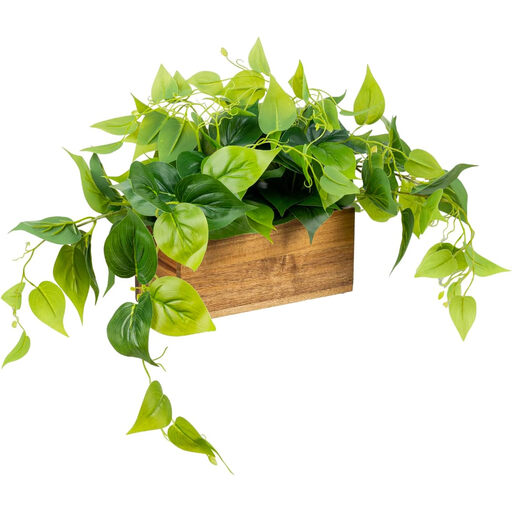
Why it's a great fit: This artificial plant in a wooden planter brings lasting greenery to rooms with low light or for people with no time for plant care. It combines a lifelike appearance with a high-quality mix of materials.
The planter box, made of solid acacia wood, avoids the trap of cheap plastic pots. It provides a stable, heavy, and visually appealing base that enhances the value of the entire arrangement.
According to the manufacturer, the plant is UV-resistant, which prevents the colours from fading. The detailed replication of the leaves ensures a realistic appearance with zero maintenance.
We have compiled a complete, up-to-date list of products that fully meet these strict selection criteria and applicable safety regulations.
Care depends on the surface finish. Oiled surfaces should be re-treated every few months with a suitable care oil to protect them from drying out and staining. Lacquered surfaces are lower-maintenance; wiping with a slightly damp, lint-free cloth is sufficient. Avoid harsh cleaning agents and excessive moisture on all types of wood.
For humid rooms like the bathroom, naturally oily and dense woods are best. These include teak, bamboo, or thermally treated wood. Acacia also shows good resistance. It's important to ensure good ventilation in the room to prevent waterlogging and mould growth, even with suitable wood types.
Yes, they can be an excellent alternative, especially in areas with low daylight, in offices, or for people who don't have time for plant care. Look for a high-quality execution of both the plant and the planter. A solid wooden planter significantly enhances the arrangement and provides an authentic, natural look that fits well with various interior styles.