
Lieferung heute & morgen

Qualitätsgarantie

Willkommens-Angebote freischalten: KOSTENLOSE Lieferung | Bis zu 80 % RABATT | Kostenlose 30-Tage-JoyPlus-Testphase
App herunterladen
A wooden lamp can transform a room, creating a warm and inviting atmosphere. However, the growing selection of designs and materials also presents pitfalls. Many models that look appealing online turn out to be impractical or low-quality in reality. Before you make a decision, it's crucial to understand the typical weaknesses that often only become apparent after the purchase.
This guide focuses on the objective criteria that distinguish a good wooden lamp from an unsuitable one. We will highlight three common problems: unstable construction, misleading material descriptions, and poor lighting effects, so you can make an informed choice for your home.
To avoid the problems mentioned above, you should check three core aspects before buying. These will help you objectively evaluate a lamp's functionality and durability.
Whether it's a wooden floor lamp or a wooden table lamp, stability is key. For a floor lamp, a heavy, solid base ensures a secure footing. On tripod models, the legs should be made of solid wood and the connections to the lamp body should be robust. A wide base, where the legs are spread far apart, further increases stability. For a wooden bedside lamp, a compact, non-slip base is important to prevent it from being accidentally knocked over.
The combination of materials defines the lamp's character. A Scandinavian-style lamp often combines light-coloured wood with a simple fabric shade in white, grey, or beige. This creates a soft, diffused light. A rattan lamp or models made from woven bamboo create interesting light and shadow patterns on the wall, making them ideal for ambient lighting. Always check the material composition listed in the product details (e.g., "50% pine wood, 40% polyester").
Most wooden lamps use a standard E27 socket. The maximum allowed wattage is crucial, as it limits the potential brightness. Modern LED bulbs offer flexibility here. For a cosy atmosphere, a bulb with warm white light (approx. 2700 Kelvin) is recommended. For a reading or work area, neutral white light (approx. 4000 Kelvin) is often more pleasant. For lamps without a shade that leave the bulb visible, decorative Edison-style LED filament bulbs are a great option.
Here are some recommendations tailored to different needs and style preferences, all of which meet the quality criteria mentioned.

Why it's a great fit: This design reduces the lamp to its essentials: a solid block of ash wood and a socket. It's ideal for those who want to highlight the material itself and showcase a decorative Edison bulb. Perfect for a sideboard or a desk in a modern style.
The solid wood block offers maximum stability, completely bypassing the instability trap. Since it's made of real ash wood, there's no deception with a "wood-effect" finish.
A compact, honest design that puts the focus on the bulb. The "ash wood" material specification is clear and unambiguous.
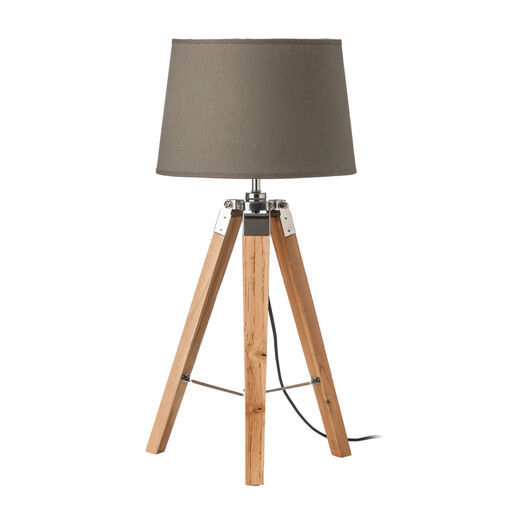
Why it's a great fit: The combination of light wooden legs and a simple grey fabric shade embodies the Scandinavian interior style. It's perfect as a bedside lamp or an accent light on a living room dresser, creating cosy, understated illumination.
The product description clearly states that the legs are made of pine wood. The light-coloured fabric shade ensures good light distribution, avoiding the trap of a purely decorative lamp that is too dark.
A classic tripod design that blends functionality with aesthetics. The fabric shade produces a soft, diffused light, ideal for a relaxed atmosphere.
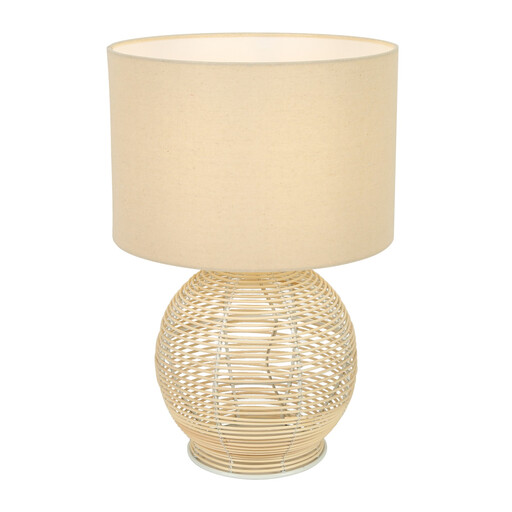
Why it's a great fit: This lamp combines a woven rattan base with a simple jute shade. It's perfect for boho or ethnic-inspired interiors, bringing an organic, textured touch to the room. The design creates an exceptionally warm and atmospheric light.
The materials are clearly declared as rattan and jute, which rules out any material deception. The wide, woven base ensures a stable footing, bypassing the instability trap.
The combination of rattan and jute creates a unique, warm lighting mood. The artisanal look of the weave makes the lamp a special eye-catcher.
We've curated a comprehensive, up-to-date list of products that meet these strict selection criteria and current safety standards.
Most wooden lamps are equipped with an E27 socket. We recommend using LED bulbs as they are energy-efficient and have a long lifespan. For a cosy atmosphere, choose a bulb with warm white light (approx. 2700–3000 Kelvin). For lamps with a visible bulb, like the minimalist wooden block design, LED filament bulbs are an aesthetically pleasing choice. Always check the maximum wattage specified by the manufacturer.
Care is generally straightforward. Simply dust the wooden body and shade regularly with a soft, dry cloth. Be sure to avoid using water, harsh cleaning agents, or wet rags, as these can damage the wood or fabric. Always unplug the lamp from the power source before cleaning.
Yes, provided it has been manufactured correctly and is used properly. Look for the CE mark, which confirms that the product meets EU safety standards. Always place the lamp on a stable, level surface to prevent it from tipping over. Never exceed the maximum specified wattage for the bulb to avoid overheating.