
Lieferung heute & morgen

Qualitätsgarantie

Willkommens-Angebote freischalten: KOSTENLOSE Lieferung | Bis zu 80 % RABATT | Kostenlose 30-Tage-JoyPlus-Testphase
App herunterladen
Wooden lamps combine visible natural materials with functional room lighting. Whether you are looking for a wooden lamp, a Japandi-style wooden light or a combination of wood and metal, colour and shape should not be your only considerations before buying. The socket, light output, dimensions, installation and actual proportion of wood are all important.
Lamps with a wood-effect design often lead to disappointing purchases because of three common pitfalls:
When buying a wooden light, it is worth checking the exact material specifications. Models may be made from pine, bamboo, rubberwood, wood fibre or plastic with a wood-effect finish. Additional materials such as cotton, rice straw, linen, glass or metal affect the way the light looks and how much care it requires.
A lampshade made from paper or rice straw should not be placed near radiators, curtains or other heat sources. For many lights, a soft, dry cloth is all you need for cleaning. Liquid or abrasive cleaning products can damage wooden surfaces and shades.
Check the socket type and the maximum permitted wattage:
With dimmable models, check how the brightness control works. According to the product information, the Moki floor lamp is dimmed using an external dimmer, which is not included. The Brilliant Baarlo ceiling light, by contrast, has an integrated three-stage dimmer with memory function.
The size must suit the intended location. A wooden wall light with a shade measuring around 22 to 25 cm can be used beside a bed or in a hallway. A ceiling light with a diameter of 35 to 38.5 cm needs sufficient clearance from furniture and walls.
The IP20 rating indicates that a light is intended for use in dry indoor areas. Such lights are not designed for bathrooms, balconies or outdoor areas. Fixed electrical connections for ceiling and wall lights should be carried out by a suitably qualified person. Also check whether mounting materials, instructions and the bulb are included.

Why this product suits this profile: This 150 cm-high bamboo floor lamp is suitable for living rooms, reading corners or children's bedrooms. It combines a three-legged base with a light-coloured shade.
The material specifications explicitly mention wood and cotton. Dimmability depends on an external dimmer, rather than being presented unclearly as an integrated feature.
Bamboo legs, a 50 cm shade diameter, a 320 cm cable and a maximum wattage of 60 W according to the product data.
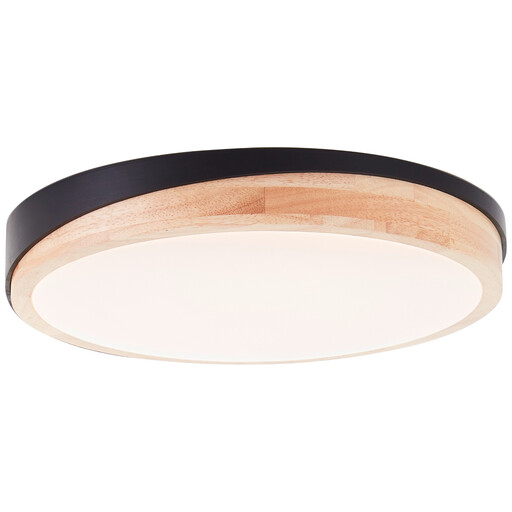
Why this product suits this profile: This integrated LED ceiling light offers defined technical values for brightness, colour temperature and dimming levels, making it suitable for several dry indoor areas.
The description specifies 24 W, 2,400 lm, 3,000 K and three dimming levels. This makes it easier to compare the light's suitability with the room size and the desired atmosphere.
35 cm diameter, integrated LED, 3,000 K, 2,400 lm and memory function according to the product information.
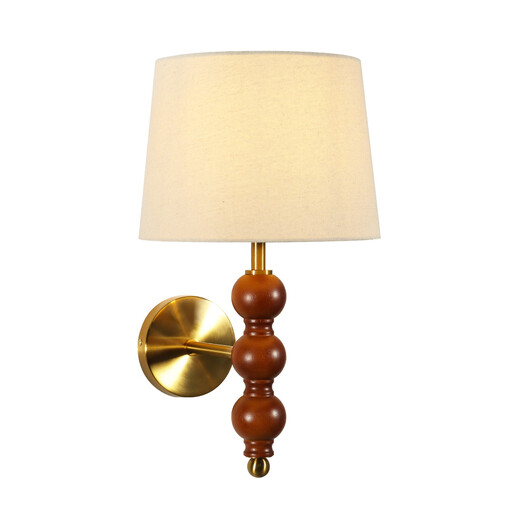
Why this product suits this profile: This compact wall light can be used beside a bed, next to a sofa or in a hallway when you need a space-saving light with an E27 socket.
The product data specifies the shade size, E27 plastic socket and maximum wattage of 40 W. This keeps the bulb choice and power limit clear.
Cotton fabric shade, mounting plate with fixing materials and an E27 socket for a replaceable bulb.
We have put together a complete, regularly updated list of products that fully meet these strict selection criteria and the safety regulations applicable in the EU.
With a wooden pendant light, the suspension system should be suitable for the type of ceiling. A lower position is often chosen above the dining table, while sufficient headroom is essential in passageways. Ceiling and wall lights are permanently mounted; if you are unsure about the electrical installation, consult a qualified professional.
Floor and table lamps need a stable, level surface that prevents them from tipping over. Cables should not run across walkways. Wood, paper, cotton and rice straw must not come into direct contact with heat sources. Before cleaning the light or changing the bulb, disconnect it from the mains and allow it to cool down completely.
Many natural lamps are designed for dry indoor areas and can be used in the bedroom. The key factors are the IP rating, dimensions and light colour. Warm white light of around 3,000 K is often chosen for a calm atmosphere. With wall lights, the mounting surface must be suitable.
For Japandi interiors, pared-back shapes, light woods, bamboo and fabric or paper-style shades work well. Boho lamps often feature woven finishes, rice straw or bamboo. A combination of wood and black metal, on the other hand, can complement an industrial-style interior. Above all, the colour, shade size and light distribution should suit your existing furnishings.
Dimmability alone does not determine energy consumption. This mainly depends on wattage, usage time and the brightness setting. A 24 W LED light uses less energy at full power than a comparable light with a higher wattage, provided both are used for the same length of time. Also check whether the dimmer is integrated or needs to be purchased separately.