
Lieferung heute & morgen

Qualitätsgarantie

Willkommens-Angebote freischalten: KOSTENLOSE Lieferung | Bis zu 80 % RABATT | Kostenlose 30-Tage-JoyPlus-Testphase
App herunterladen
A wooden mud kitchen promises hours of creative outdoor fun. Children can experiment to their heart's content with sand, water, and natural materials. However, the selection is vast, and not every model lives up to its promises. Before you make a decision, it's important to know the typical weak points that can quickly turn a supposed garden dream into a costly mistake.
At first glance, many products look robust and durable. In practice, however, flaws often only become apparent after a few months in the garden. Pay special attention to these three points to avoid disappointment:
To ensure your investment continues to bring joy for years to come, you should check three key technical parameters. These features separate high-quality models from short-lived alternatives.
A durable wooden play kitchen that is weather-resistant needs more than just a coat of paint. Look for models made from solid wood that has already been pre-treated. A high-quality, weather-resistant glaze is the minimum requirement. This protects the wood from moisture and UV radiation. Ideally, the wood should come from sustainable forestry, identifiable by the FSC seal. The treatment must be safe for children, as they will come into direct contact with the material.
The stability of a mud kitchen is crucial. Check the specifications for maximum load capacity and construction. Solid legs and a securely screwed-on worktop are a must. Equally important are child-safe rounded corners and edges to minimise the risk of injury. Some models avoid visible screws in the top panels, which not only looks better but also enhances safety.
The heart of any mud kitchen is the tubs, which serve as a sand and water table. These should be made of robust plastic and be easy to remove and clean. A lid for the tubs is a practical extra that keeps the contents clean. Additional storage space under the worktop or a shelf above it provides valuable room for toys and accessories. Hooks for hanging shovels or towels complete a well-thought-out design.
Instead of presenting a confusing list, we have identified a few products that meet specific requirements and avoid the pitfalls mentioned.
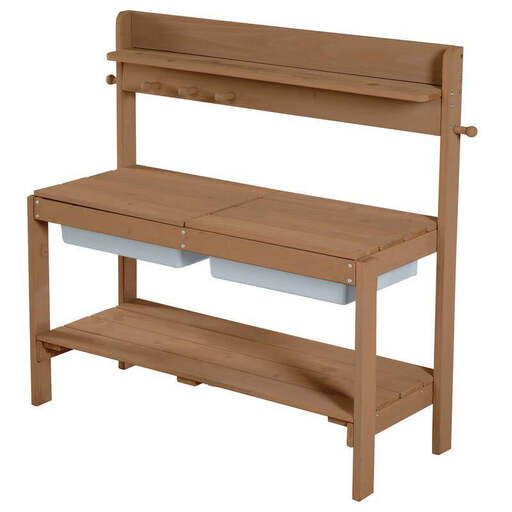
Why it's a great fit: This model is a true all-rounder. It serves as a classic mud kitchen but can also be used purely as a work table thanks to its removable lids. In winter, it can easily be moved indoors to become a craft table. This makes it a year-round and therefore sustainable purchase.
The roba play kitchen is made from weather-resistant glazed solid wood. The stable construction with rounded corners is child-friendly, and the two plastic tubs are large, robust, and easy to clean.
The 3-in-1 functionality (mud, play, and work table) and its year-round usability (indoors and outdoors) offer high added value. Large storage surfaces and hooks help keep things tidy.
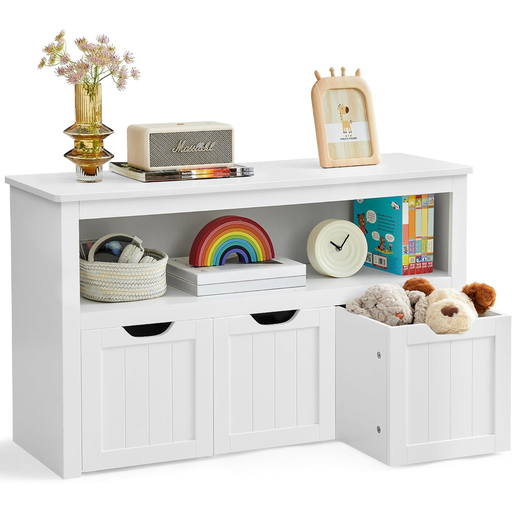
Why it's a great fit: A mud kitchen rarely comes alone. This shelf is the ideal companion for neatly storing buckets, shovels, moulds, and other garden toys. The removable boxes on wheels make it easy for children to keep things tidy themselves.
It solves the problem of chaos around the play area. Instead of loose toys, it provides a central, child-friendly organisation station that keeps the garden or balcony tidy.
The combination of open compartments and three mobile storage boxes is flexible. The child-friendly height of 60 cm promotes independence in tidying up.
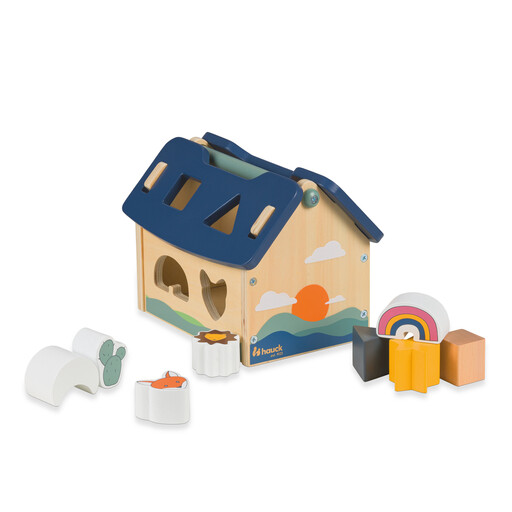
Why it's a great fit: This shape sorter is an excellent addition to the mud kitchen's work surface. It offers a calmer, more focused play alternative to messy play, while specifically promoting hand-eye coordination and the recognition of shapes and colours.
It expands the educational value of the mud kitchen beyond purely sensory play. Instead of a one-dimensional toy, it creates a versatile play station that addresses different skills.
According to the manufacturer, the toy is made from wood from FSC-certified forests. After playing, all the blocks can be stored inside the house, which keeps things tidy.
We have compiled a complete, up-to-date list of products that fully meet these strict selection criteria and UK safety regulations.
1. How do you properly maintain a wooden mud kitchen to make it last? Regular maintenance is crucial. Clean the surfaces with a damp cloth after play and dry the plastic tubs before putting them back. To permanently protect the wood from the elements, it is advisable to refresh the weather-resistant glaze once a year (preferably before winter) with a non-toxic wood protection glaze suitable for children's toys. In winter, the kitchen should be stored in a dry place or covered with a protective cover.
2. From what age is a mud kitchen suitable? Most manufacturers recommend their models for children from 18 months to about 8 years old. It is important that the child can stand safely and independently. The height of the work surface should be appropriate for the child so they can play comfortably. Models like the roba play kitchen are designed for a wide age range and essentially grow with them.
3. Does an outdoor play kitchen require a foundation? No, a special foundation is not necessary. However, a level and firm surface is essential for a secure footing. A patio, a paved area in the garden, or a level lawn are ideal. On uneven ground, the kitchen can wobble, which compromises safety and fun.