
Lieferung heute & morgen

Qualitätsgarantie

Willkommens-Angebote freischalten: KOSTENLOSE Lieferung | Bis zu 80 % RABATT | Kostenlose 30-Tage-JoyPlus-Testphase
App herunterladen
A wooden mud kitchen in the garden or on the patio is a place of creative, nature-based play for many children. It's where they bake sand cakes, cook leaf soups, and experiment with water. However, the market is flooded with options, and not every model that looks sturdy at first glance can withstand the elements and intense play. Before you make a decision, it's crucial to understand the common pitfalls that often only become apparent after a few months.
As a Joybuy Product Recommendation Officer, I analyse product data to provide you with objective buying advice. This guide will show you what to look for to find a durable and functional outdoor kitchen for kids and which common defects you should avoid.
Many products promise durability, but in practice, the first problems often appear quickly. Pay close attention to these three points to avoid disappointment:
To avoid the pitfalls mentioned above, you should check a few core parameters before buying. These features determine the longevity and play value of a mud kitchen.
The most crucial aspect of any outdoor wooden kids' kitchen is the material. Look for models made from solid, weather-resistant treated wood. A high-quality stain protects the wood from moisture and UV radiation. Products made from FSC-certified wood also come from sustainable forestry. The edges should be rounded for child safety to prevent injuries, and visible surfaces should not have any exposed screws.
A good sand kitchen is more than just a wooden table. The following elements are crucial for a great play experience:
The dimensions of the play kitchen should be appropriate for your child's age and height. A comfortable worktop height is important so the child can play comfortably while standing. Many models are designed for a wide age range, from about 1.5 to 8 years, providing years of enjoyment.
Not every family has the same needs or the same amount of space. Here are three recommendations tailored to different profiles that meet the quality criteria mentioned above.

Why this model is a great fit: Ideal for balconies or small patios. Its compact design makes it a versatile sand table that can also be used indoors during winter as a craft table with a storage bin.
Despite its size, the table is made of weather-resistant solid wood and features a durable, removable plastic tub. It thereby avoids the pitfalls of impractical design and inadequate materials.
Space-saving and multifunctional for year-round fun, both indoors and out.
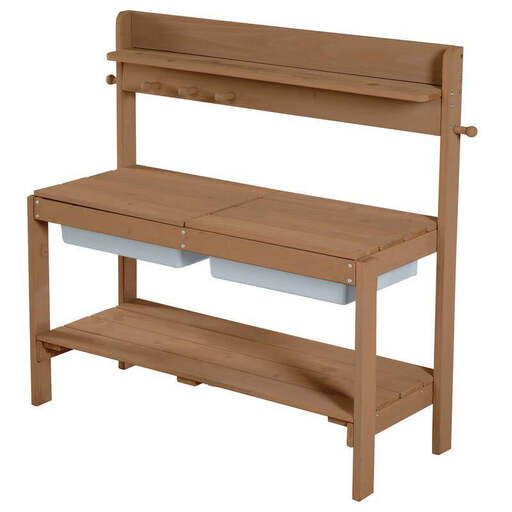
Why this model is a great fit: A classic, fully-equipped mud kitchen for the garden. With two tubs, plenty of storage, and a large work surface, it's ideal for families looking for a dedicated outdoor play station.
The construction from weather-resistant treated solid wood and the two large, removable tubs directly address the weak points of poor materials and a lack of functionality.
Two tubs allow for separate play with sand and water. The generous storage shelves offer plenty of space for accessories.
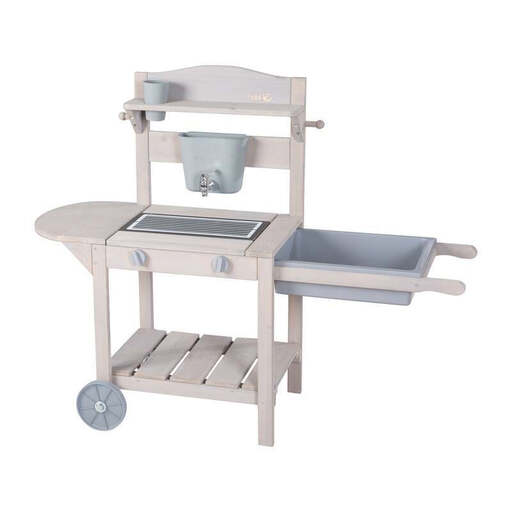
Why this model is a great fit: The unique BBQ theme and wheels make this kitchen mobile and especially appealing for children who love to role-play cooking scenarios. It can be moved flexibly between the patio and the lawn.
The construction from FSC-certified solid wood with a special wood stain ensures durability. The wheels are a practical feature that doesn't compromise stability.
Mobile thanks to its wheels and an engaging BBQ design with a printed grill top and a functional tap.
We've compiled a complete, up-to-date list of products that meet these strict selection criteria and safety requirements.
Regular maintenance is crucial for longevity. Clean the surfaces with a damp cloth and remove any heavy dirt. Periodically check that all screws are still tight. To best protect the wood, it's advisable to cover the play kitchen during heavy rain or over the winter, or to store it in a sheltered area. Depending on its exposure to the elements, it may be a good idea to reapply a protective stain every one to two years.
Most manufacturers recommend their models for ages 18 months and up, always under adult supervision. At this age, children begin to enjoy sensory play with materials like sand and water. A well-designed roba mud kitchen, for example, is tailored to the needs of this age group, with rounded corners and a stable, safe construction.
No, a permanent connection to a garden hose is generally not necessary or recommended. Most models with a water feature use an integrated, refillable container with a simple spigot. This solution is safer as it limits the water flow and prevents uncontrolled flooding of the play area. It also promotes the child's independence as they learn to manage a finite amount of water.