
Lieferung heute & morgen

Qualitätsgarantie

Willkommens-Angebote freischalten: KOSTENLOSE Lieferung | Bis zu 80 % RABATT | Kostenlose 30-Tage-JoyPlus-Testphase
App herunterladen
A wooden nightstand is more than just a surface for your alarm clock and a glass of water. It's a key piece of furniture that defines the functionality and atmosphere of your bedroom. However, the sheer number of options can be overwhelming. Many models look appealing online but turn out to be impractical or unstable after purchase. To help you make an informed decision, we'll show you what really matters and how to avoid common buying pitfalls.
Before you choose a model, you should be aware of the most common flaws, which often only become apparent after assembly or during daily use.
To avoid a bad purchase, you should check three core parameters. These will help you objectively evaluate a model's quality and suitability.
A wooden nightstand can be made from various materials, which differ in durability and maintenance:
A nightstand's functionality heavily depends on its dimensions. The ideal height for a bedside table is level with or just slightly below the top of your mattress. This ensures your lamp, book, or alarm clock is comfortably within reach.
For smaller rooms, a small nightstand with a width of under 40 cm is often the right choice. Measure the available space next to your bed precisely to ensure the bedroom side table doesn't block a walkway or look cramped.
Consider what you want to keep within easy reach. A nightstand with storage can come in various forms:
Here are some recommendations tailored to different needs and interior styles.
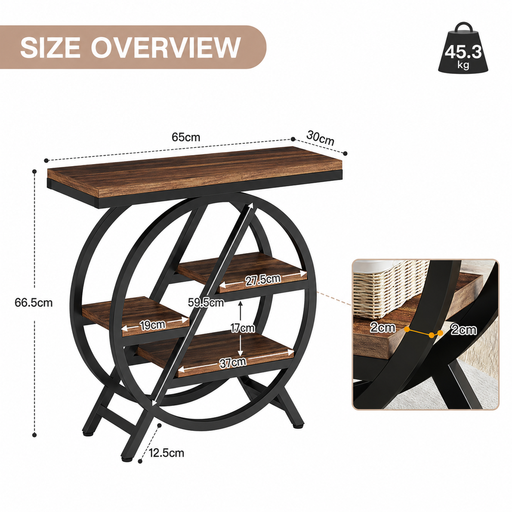
Why it's a great fit: Ideal for anyone who prefers an urban, functional look. The three open tiers provide ample space for books, tech devices, and decor, while the metal frame underscores its distinct industrial character.
The sturdy metal frame and four adjustable feet counter the "unstable construction" pitfall, ensuring a secure footing even on uneven floors.
The three shelves offer a flexible and generous storage solution. According to the manufacturer, the structure can support up to 13.6 kg.
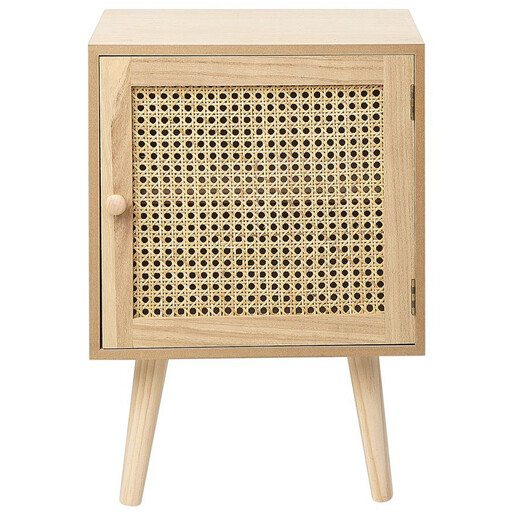
Why it's a great fit: Perfect for a bedroom with a boho or farmhouse style. The door with its rattan weave adds a warm, natural accent and creates a relaxed atmosphere.
This model solves the "impractical storage" problem with its enclosed compartment. Personal items disappear behind the door, ensuring an always-tidy appearance.
The combination of an MDF panel with a Paulownia wood veneer offers a stable and low-maintenance surface. The rattan element is a distinctive design feature.

Why it's a great fit: Specifically designed for small bedrooms where every centimetre counts. Its narrow 32 cm width makes it the ideal solution for tight niches next to the bed.
This model avoids the "impractical dimensions" pitfall with its deliberately compact design. The additional drawer also provides a functional storage solution that many small side tables lack.
The combination of a very narrow width (32 cm) and an integrated drawer makes this nightstand a highly functional solution for small spaces.
We have compiled a comprehensive, up-to-date list of products that meet these strict selection criteria.
Ideally, the top of the nightstand should be level with the top of your mattress or a few centimetres below it. A typical height is between 50 and 60 cm. This height allows you to comfortably reach items from your bed without having to stretch or bend over.
A solid wood nightstand is made entirely from natural wood. It is very durable, robust, and has a unique grain, but it requires regular care. A nightstand made from engineered wood (like MDF or particleboard) consists of compressed wood fibres coated with a laminate or veneer. These models are often more budget-friendly, lighter, and easier to maintain, but can be less resilient if they are of lower quality.
Most nightstands that require self-assembly come with all the necessary screws and hardware. Typically, you will only need common household tools like a screwdriver. It is advisable to check the product description and assembly instructions before purchasing, as the manufacturer will list any required tools there.